How much coffee, if any, is safe during early pregnancy?
Ask the doctor
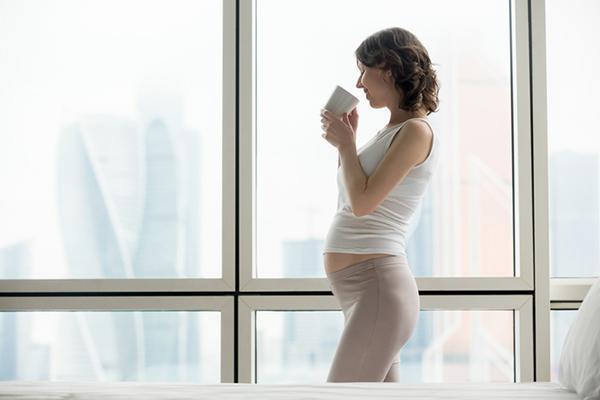
Q. During the early stages of pregnancy, can you drink coffee? My partner works nights and drinks a lot of coffee. Are there other, safer alternatives to the caffeine from coffee?
A. Excessive amounts of caffeine intake during pregnancy are associated with a higher risk of miscarriage and low-birthweight babies. However, small amounts of caffeine appear to be safe. The American College of Obstetricians and Gynecologists recommends that pregnant women not exceed 200 milligrams of caffeine per day.
An average-size cup of regular coffee has about 100 milligrams per serving (assuming the cup is truly 6 to 8 ounces). However, the amount of caffeine can vary considerably depending on the strength and size of the "cup."
Caffeine is caffeine, whether it is in coffee, tea, sodas, or any other beverage or food. So there is no safer caffeine alternative. It is the amount of caffeine that seems to be the critical factor, not the other ingredients in coffee.
For women trying to get pregnant, caffeine intake should also remain moderate. Some medical studies suggest that ingesting too much caffeine may decrease fertility.
Image: © fizkes/Getty Images
About the Author

Howard E. LeWine, MD, Chief Medical Editor, Harvard Health Publishing; Editorial Advisory Board Member, Harvard Health Publishing
Disclaimer:
As a service to our readers, Harvard Health Publishing provides access to our library of archived content. Please note the date of last review or update on all articles.
No content on this site, regardless of date, should ever be used as a substitute for direct medical advice from your doctor or other qualified clinician.