

Naturally gluten-free foods

Harvard study: Healthier fats linked to longer life after prostate cancer diagnosis

Shingrix shingles vaccine linked with lower heart disease risks

Estrogen-only hormone therapy tied to lower dementia risk
Should you have a hysterectomy?

Stair climbing may significantly lower cardiovascular risks

Why do I sweat so much?

Walking pneumonia: The "mild" illness that can still pack a punch

What causes knee pain: How doctors make a diagnosis
Where you carry excess weight matters in predicting heart disease risk
Stress Archive
Articles

Weighing in on weight gain from antidepressants
If you're struggling with depression, the most important question about taking an antidepressant is whether it will work. But another question on your mind may be whether it will fuel weight gain. A new study provides some context.

Can a spoonful of daily olive oil ward off dementia death?
A 2024 Harvard study of more than 92,000 healthy men and women (average age 56) found that consuming about half a tablespoon of olive oil per day was associated with a 28% reduction in the risk for dementia-related death, regardless of diet quality.

Living your best life
As people face their mortality, they often focus on how to live their best life in their remaining time. Two Harvard experts-Dr. Howard LeWine and Dr. Anthony Komaroff-share advice on how they are achieving this during their golden years. Some of their suggestions include embracing the natural changes of aging, doing inspiring activities, learning to live in the moment, and finding one's sense of purpose.

A balanced approach to eating may be best for brain health
People who followed a balanced diet consisting of a good mix of healthy foods like lean meats, vegetables, fruit, and dairy, with occasional processed foods had the highest scores of cognitive function compared with other eating patterns, according to a 2024 study.

Depression more likely during perimenopause than before or after
A 2024 study suggests that women in perimenopause are significantly more likely to experience depression than either before or after this stage.

Optimism may slow women's age-related physical decline
A 2024 study suggests that optimism may help women stave off age-related physical decline.

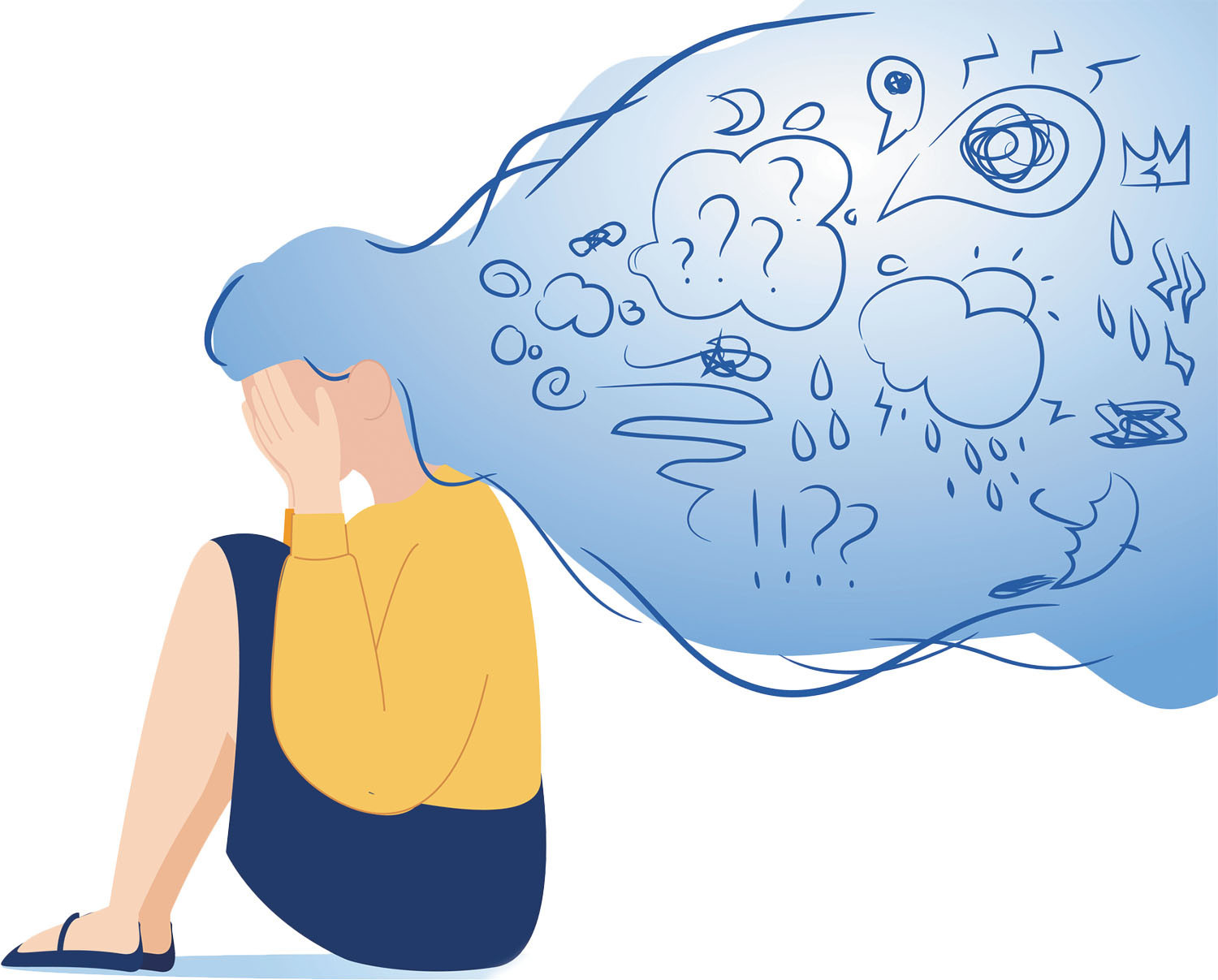
Recognizing and easing the physical symptoms of anxiety
Anxiety can produce physical symptoms, such as headaches, stomach upset, and tightness in the chest. Sometimes this sets up a vicious cycle, in which anxiety triggers physical symptoms, and the symptoms magnify anxiety, which makes them even worse. Doing distracting tasks or relaxation exercises can help break this cycle. People should seek professional help if symptoms can't be controlled.

Parenting isn't easy: Two important skills can help
Parenting can be challenging, but childhood and adolescence can be difficult too. How can parents help their kids manage anger, sadness, anxiety, and handle emotionally trying times? Practicing two skills can help both your child and you.

Naturally gluten-free foods
Harvard study: Healthier fats linked to longer life after prostate cancer diagnosis
Shingrix shingles vaccine linked with lower heart disease risks
Estrogen-only hormone therapy tied to lower dementia risk
Should you have a hysterectomy?
Stair climbing may significantly lower cardiovascular risks
Why do I sweat so much?
Walking pneumonia: The "mild" illness that can still pack a punch
What causes knee pain: How doctors make a diagnosis
Where you carry excess weight matters in predicting heart disease risk
Free Healthbeat Signup
Get the latest in health news delivered to your inbox!
Sign Up
