

CoQ10: Should you take this popular supplement if you're on a statin?

Microplastics: A hidden health threat?

Oat vs. dairy milk: Nutrition, benefits, and downsides

What is tempeh? Benefits, nutrition, and how to use it

Healing after food poisoning

Children of centenarians may stay healthier and live longer too, study finds

Light exposure at night may raise risk for heart disease

Whole grains may improve several heart risk factors at once

A lumbar belt may help ease low back pain

Signs of pneumonia: Sometimes vague and unexpected
Spine Archive
Articles


Help for your hands
A few simple exercises can preserve the strength and flexibility of your hands and wrists.
Image: Thinkstock
There's a reason that "having a good grip on the situation" is used as a metaphor for mastery. In physiological testing, grip strength is one of the indicators of health and vitality. Yet, although we may exercise to strengthen our cores and limbs, most of us don't make an effort to strengthen our forearms and our hands. "We use our hands continually, but we don't take the time to deliberately exercise them," says Joanne P. Bosch, a physical therapist and certified hand therapist at Harvard-affiliated Brigham and Women's Hospital.
That said, it's not a good idea to rush out and buy a device promoted for building a "crushing hand grip" or to start squeezing a tennis ball. "Doing the wrong exercise can actually exacerbate some problems, particularly carpal tunnel syndrome," Bosch says.

What Michelangelo’s hands (can and can’t) tell us about arthritis
A recent journal article describes Michelangelo’s hands as depicted in an attempt to figure out potential joint diseases he may have had. Theories suggest some myths and misconceptions about the causes and symptoms of osteoarthritis and gout. This report has implications for today’s medical care. While a picture may tell a story, there is nothing like a thorough, in person exam to know accurately make sense of signs and symptoms.

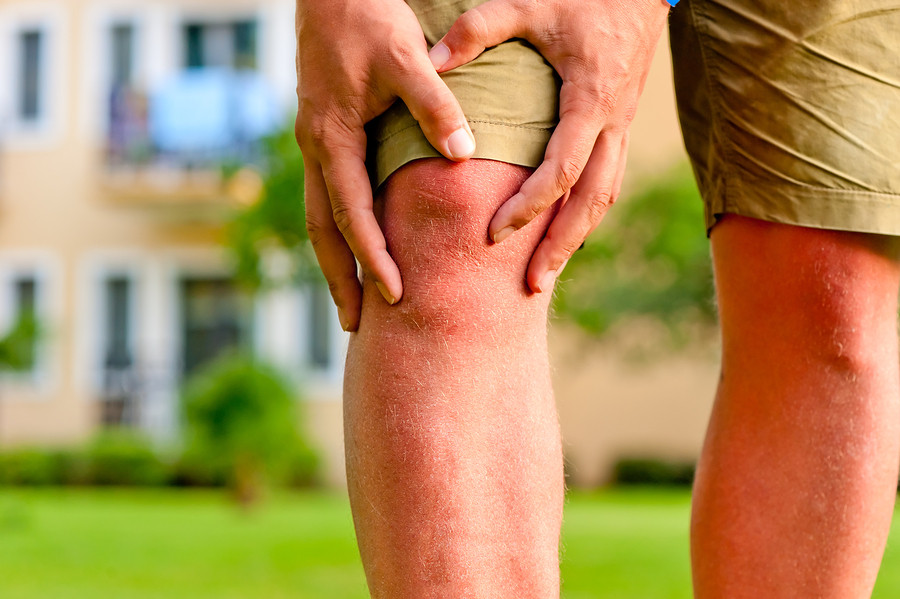
Joint pain...is it osteoarthritis?
Your knee aches from time to time. Or maybe your fingers don't seem as nimble as they used to be. Could it be osteoarthritis?
Osteoarthritis, the most common form of arthritis, develops when cartilage, the flexible tissue lining the joints, deteriorates. As a result, the space between bones gradually narrows and the bone surfaces change shape. Over time, this leads to joint damage and pain.



Stronger hands linked to a healthier heart
The strength of your hands may hold clues to the health of your heart. A study in the December 2015 American Journal of Preventive Medicine found that people with stronger handgrips had more favorable findings on measures of their cardiovascular health than those with weaker grips.
The study included more than 4,200 adults ages 20 and older who were part of a nationwide health study. Researchers used a device called a dynamometer to measure each participant's hand strength, adjusting the readings based on body mass index. They found that higher handgrip strength was associated with lower blood pressure, lower triglycerides (a type of fat in the blood), lower blood sugar, and higher HDL (good) cholesterol.

Ask the doctor: Braces for knee arthritis
Image: Thinkstock
Ask the doctor
Q. I occasionally use a brace on my knee because I have knee arthritis. Am I weakening my knee?
A. The benefit of a brace for knee arthritis is likely in the eye of the beholder. A brace can help improve the ability to perform certain activities, and for some people the compression and warmth of the brace relieves pain. However, medical research has been mixed on the absolute benefits.
CoQ10: Should you take this popular supplement if you're on a statin?
Microplastics: A hidden health threat?
Oat vs. dairy milk: Nutrition, benefits, and downsides
What is tempeh? Benefits, nutrition, and how to use it
Healing after food poisoning
Children of centenarians may stay healthier and live longer too, study finds
Light exposure at night may raise risk for heart disease
Whole grains may improve several heart risk factors at once
A lumbar belt may help ease low back pain
Signs of pneumonia: Sometimes vague and unexpected
Free Healthbeat Signup
Get the latest in health news delivered to your inbox!
Sign Up
