

CoQ10: Should you take this popular supplement if you're on a statin?

Microplastics: A hidden health threat?

Oat vs. dairy milk: Nutrition, benefits, and downsides

What is tempeh? Benefits, nutrition, and how to use it

Healing after food poisoning

Children of centenarians may stay healthier and live longer too, study finds

Light exposure at night may raise risk for heart disease

Whole grains may improve several heart risk factors at once

A lumbar belt may help ease low back pain

Signs of pneumonia: Sometimes vague and unexpected
Spine Archive
Articles

Shoulder pain? Here's what you can do to treat it and prevent it
A few simple measures can protect your most flexible joint and put it back in service after overuse or injury.
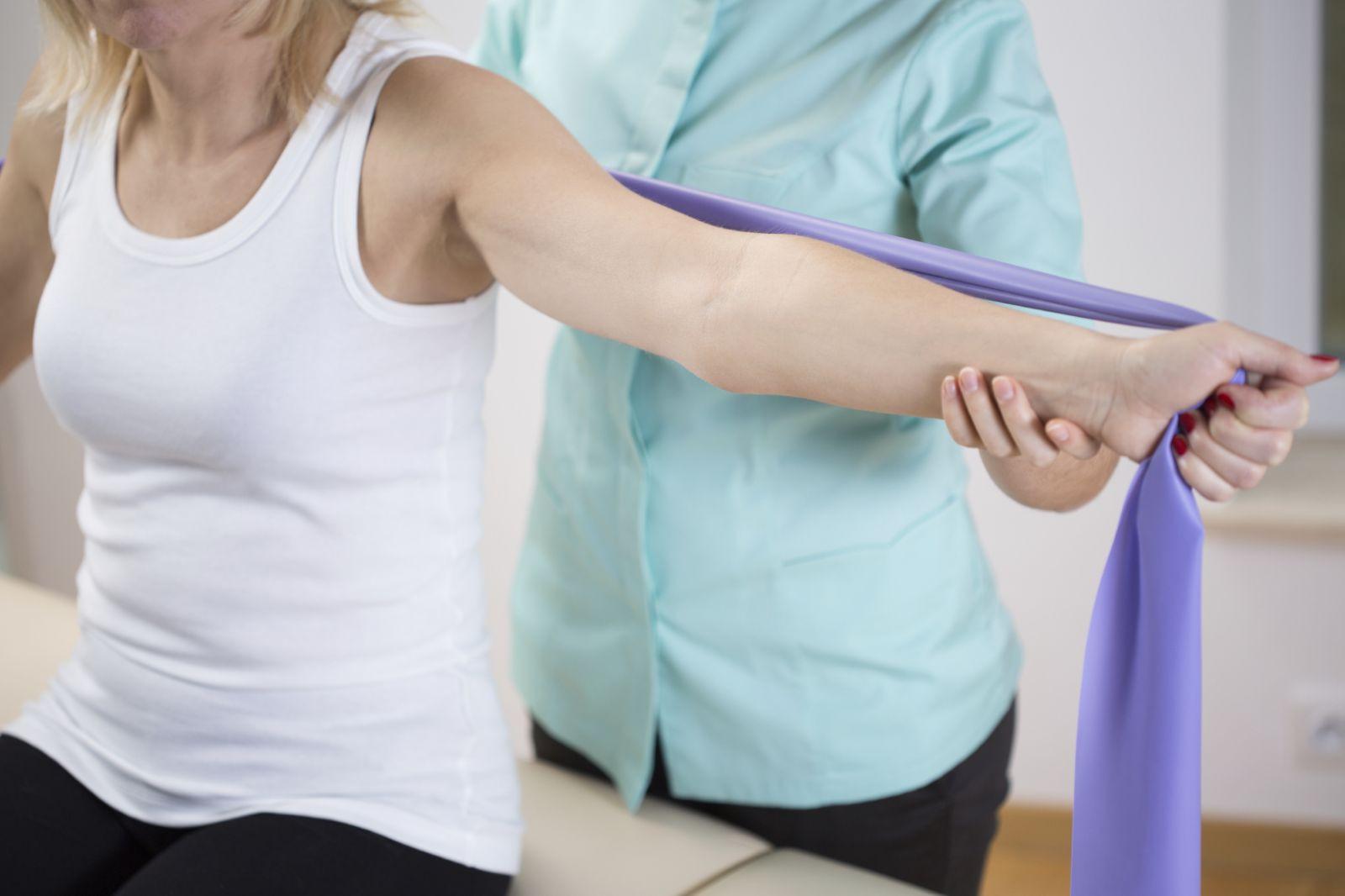
All you need to do is rotate your arm to realize what a marvel your shoulder is. It's the body's most flexible joint and one of the most essential. Whether you're reaching the top shelf, swinging a golf club, or washing your hair, "it's the one joint you can't stop using," says Karen Weber, a physical therapist at Harvard-affiliated Spaulding Rehabilitation Network. "We do a lot of repetitive motions with our arms. When our shoulder muscles aren't strong, we can set ourselves up for injury," Weber says.

Osteoarthritis relief without more pills
It's possible to ease arthritis pain and stiffness without medication, but it takes some work. |
Here are some steps you can take to reduce your reliance on medication to control symptoms and stay functional.

Acetaminophen: Minimal relief for knee arthritis pain
The pain from an arthritic knee can be intense, limiting daily activities and independence. Men can try a range of medications, but overall acetaminophen (Tylenol, other brands) appears to relieve pain only slightly better than a placebo pill, according to a research review in Annals of Internal Medicine.
The researchers pooled results from 137 randomized clinical trials involving about 33,000 people with knee arthritis and compared the relative effectiveness of the following treatments:
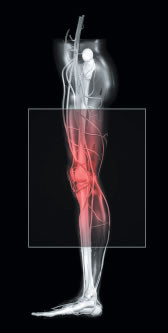
Could that leg pain be peripheral artery disease?
The pain of peripheral artery disease may be felt above or below the knee during activity, and will fade with rest. Image: Thinkstock |
The telltale sign is leg pain and fatigue that comes on with activity and goes away with rest.

When are opioids safe to take?
Opioids are commonly used to control acute, intense pain. Meditation, yoga, and acupuncture may help control pain when tapering off opioids. |
Although these powerful pain relievers can be addictive, opioids are safe for most people when used properly.
CoQ10: Should you take this popular supplement if you're on a statin?
Microplastics: A hidden health threat?
Oat vs. dairy milk: Nutrition, benefits, and downsides
What is tempeh? Benefits, nutrition, and how to use it
Healing after food poisoning
Children of centenarians may stay healthier and live longer too, study finds
Light exposure at night may raise risk for heart disease
Whole grains may improve several heart risk factors at once
A lumbar belt may help ease low back pain
Signs of pneumonia: Sometimes vague and unexpected
Free Healthbeat Signup
Get the latest in health news delivered to your inbox!
Sign Up
