

CoQ10: Should you take this popular supplement if you're on a statin?

Microplastics: A hidden health threat?

Oat vs. dairy milk: Nutrition, benefits, and downsides

What is tempeh? Benefits, nutrition, and how to use it

Healing after food poisoning

Children of centenarians may stay healthier and live longer too, study finds

Light exposure at night may raise risk for heart disease

Whole grains may improve several heart risk factors at once

A lumbar belt may help ease low back pain

Signs of pneumonia: Sometimes vague and unexpected
Spine Archive
Articles

Numb hand: Should you worry?
Ask the doctor
Q. My right hand goes numb when I open a can or use hand tools. Is this something I need to worry about? Do I have carpal tunnel syndrome?
A. The hand receives its sensory information from three different nerves, and irritation of any of them can lead to numbness. In the hand, numbness is often related to the way that the nerve is compressed or squeezed slightly when you bend your wrist, as happens when you open a can. Excess vibration or repetitive hand motion when you use tools may also cause numbness.

Got a bum knee? Here is what to do
If knee pain and swelling are severe an are not getting better, see your primary care doctor for a thorough evalucation. Image: Thinkstock
Arthritis is not the only possible cause of knee pain, swelling, and disability.
Arthritis pain relief while taking warfarin
Ask the doctor
Q. I take warfarin for my atrial fibrillation. I know it can increase the risk of bleeding. Is it okay for me to take ibuprofen for my arthritis?
A. In general, you should avoid ibuprofen—which is sold as Advil, Motrin, and generics—while taking warfarin, because taking them together may further increase your risk of bleeding.
Research we're watching: Small study shows little bone benefit from recommended dose of vitamin D
Although vitamin D is essential to bone health, a controlled clinical trial published online by JAMA Internal Medicine on Aug. 3, 2015, found that vitamin D supplements didn't build bone in postmenopausal women with blood levels of vitamin D below the 30-ng/mL threshold generally considered necessary for good health. Researchers at the University of Wisconsin randomly assigned 230 women to three groups: one got 800 IU of vitamin D daily and a placebo twice a month; one got a placebo daily and 50,000 IU of vitamin D twice a month; the third got placebos both daily and twice a month. The study lasted a year. The researchers found that neither dose of vitamin D had a significant effect on bone mass, falls, or fractures.
The Wisconsin study may not have used the right doses of vitamin D or lasted long enough to show an effect. One ongoing study, The Vitamin D and Omega-3 Trial (VITAL), is large enough to demonstrate even small-to-moderate benefits of vitamin D supplementation. VITAL is evaluating a 2,000-IU daily dose for five years in 26,000 women and men. The results are expected in 2017. Until then, it's still important to get the recommended daily dose of vitamin D: 600 IU for adults through age 70 and 800 IU for people ages 71 or older
Can depression worsen RA symptoms or make treatment less effective?
Depression is fairly common among people suffering with rheumatoid arthritis (RA). Recent research suggests that depression may worsen RA symptoms and even make medications less effective. To date, the studies that indicate a connection between the severity of RA symptoms and depression have not been conclusive, so more research is needed. In the meantime, if you have RA and notice signs of depression, be sure to talk with your doctor.

Sidestepping big-toe woes
Wearing high heels with pointed toes is a major cause of bunions. |
For many women, bunions and rigidity are two of the most common—and painful—problems with the big toe. Both are easily treated.
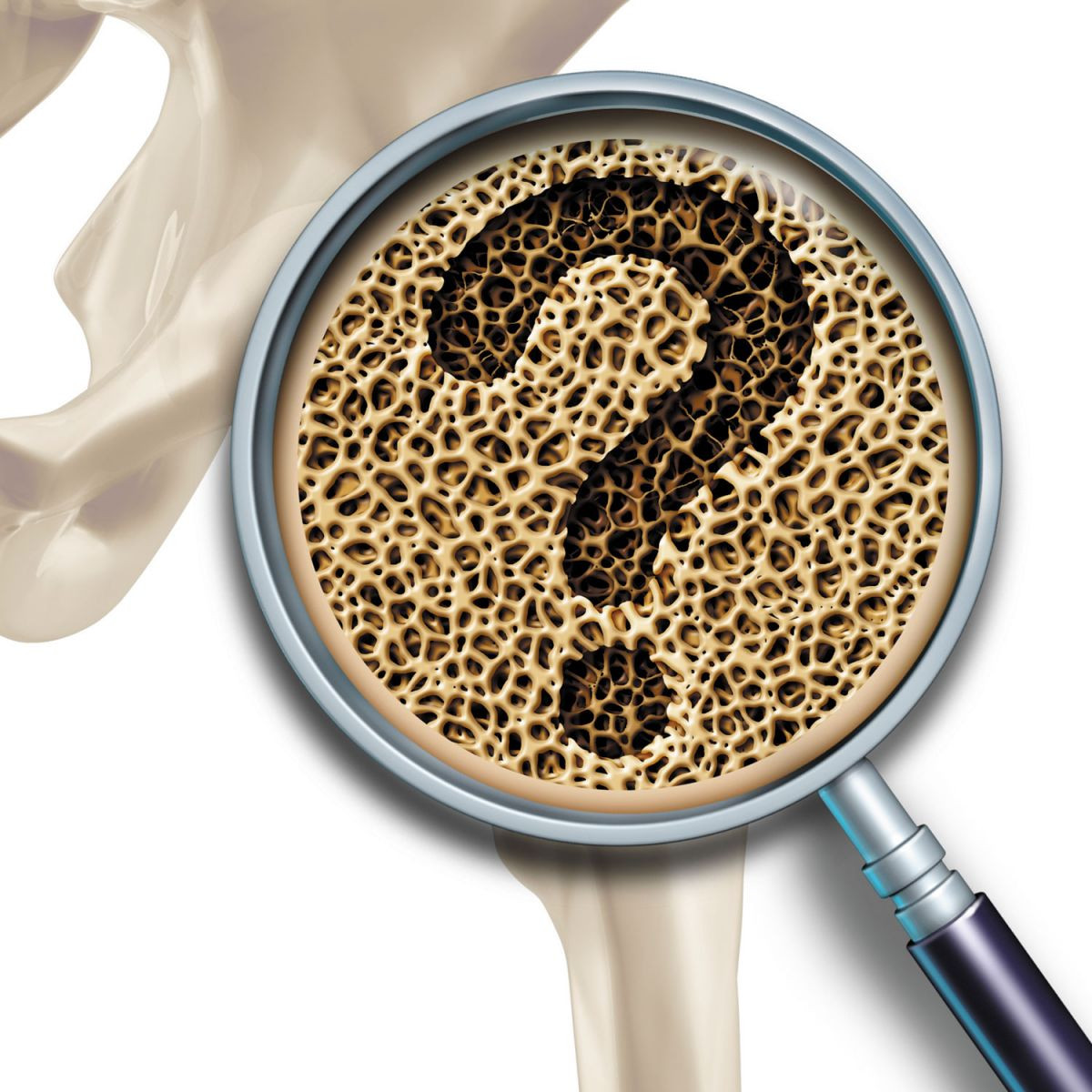
Should you be tested for weak bones?
| Image: Thinkstock |
Men also get osteoporosis—but consider your risk factors before deciding to have a bone-strength test.
Men's and women's bodies differ in plenty of ways, but we all have bones, and with aging they may lose some of their strength and leave us more vulnerable to dangerous fractures of the hip or spine. Osteoporosis is not exclusively a women's health issue.

Insomnia therapy helps reduce knee pain
Painful knees and sleeplessness often go hand in hand, but a form of counseling called cognitive behavioral therapy (CBT) can help with both problems, according to a study in Arthritis and Rheumatology.
The study involved 100 people ages 50 to 70 with wear-and-tear arthritis (osteoarthritis) in the knee as well as insomnia. They were chosen at random for either eight sessions of CBT or a comparison treatment, called desensitization therapy, known not to be very effective for insomnia.

Grip strength may provide clues to heart health
A strong or weak hand grip carries more than just social cues. It may also help measure an individual’s risk for having a heart attack or stroke, or dying from cardiovascular disease. As part of the international Prospective Urban and Rural Epidemiological (PURE) study, researchers measured grip strength in nearly 140,000 adults in 17 countries and followed their health for an average of four years. Each 11-pound decrease in grip strength over the course of the study was linked to a 16% higher risk of dying from any cause, a 17% higher risk of dying from heart disease, a 9% higher risk of stroke, and a 7% higher risk of heart attack. Interestingly, grip strength was a better predictor of death or cardiovascular disease than blood pressure. What’s the connection? It’s possible that grip strength measures biological age.
CoQ10: Should you take this popular supplement if you're on a statin?
Microplastics: A hidden health threat?
Oat vs. dairy milk: Nutrition, benefits, and downsides
What is tempeh? Benefits, nutrition, and how to use it
Healing after food poisoning
Children of centenarians may stay healthier and live longer too, study finds
Light exposure at night may raise risk for heart disease
Whole grains may improve several heart risk factors at once
A lumbar belt may help ease low back pain
Signs of pneumonia: Sometimes vague and unexpected
Free Healthbeat Signup
Get the latest in health news delivered to your inbox!
Sign Up
