

Whole grains may improve several heart risk factors at once

Light exposure at night may raise risk for heart disease

Children of centenarians may stay healthier and live longer too, study finds

A lumbar belt may help ease low back pain

Signs of pneumonia: Sometimes vague and unexpected

Using a vibration plate: What it can — and can't — do for your body

The surprising link between ovarian cancer and the fallopian tubes

People who walk more or walk faster live longer, study finds

Rosacea treatments: What works?

For sleep apnea, a dental device may be as effective as CPAP
Sleep Archive
Articles

A pill-free way to fight insomnia
It appears that cognitive behavior therapy may help people with chronic insomnia and no underlying medical problems fall asleep faster.
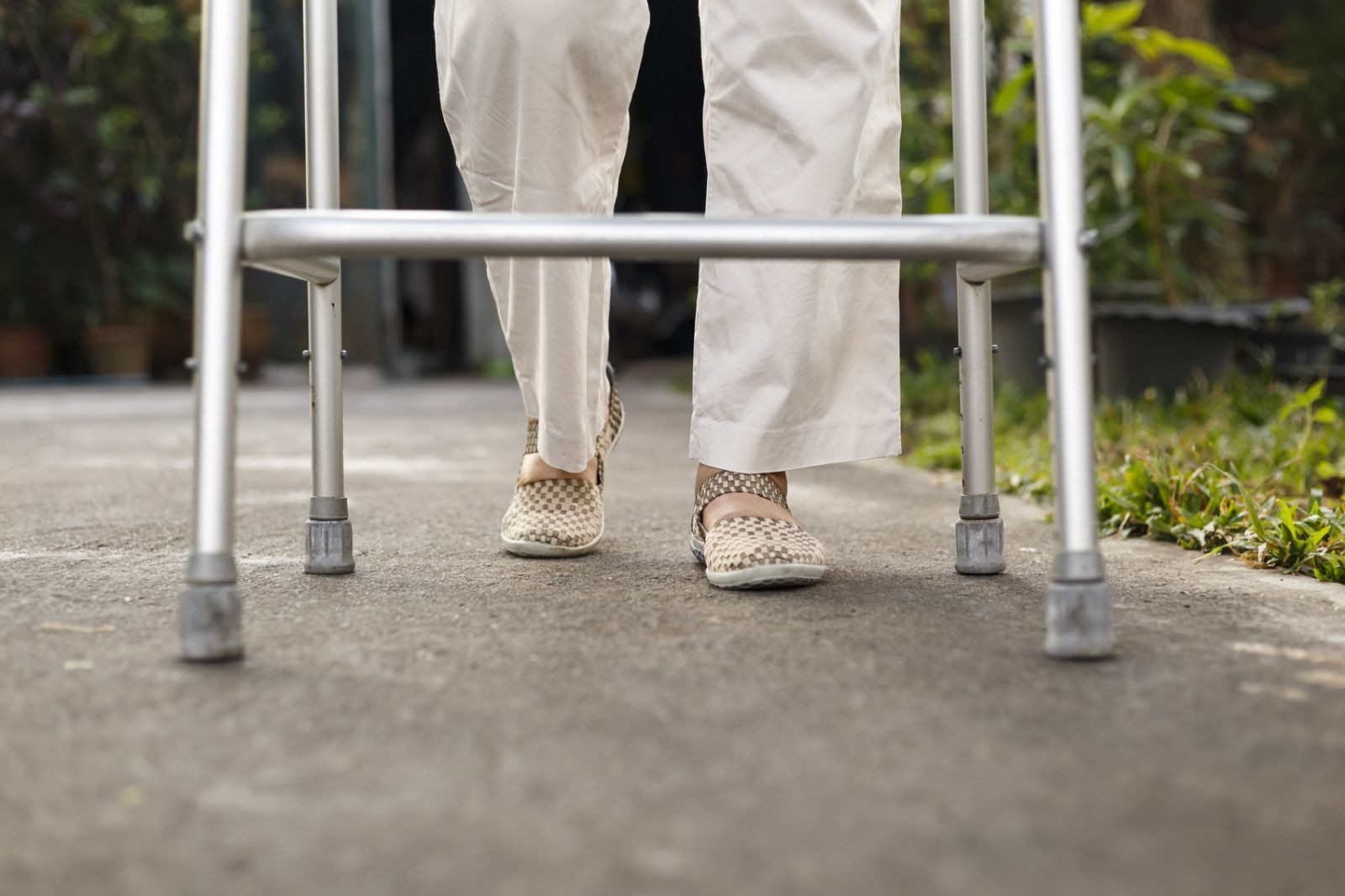
Protect your mobility
Mobility — the ability to move purposefully around your environment — is vitally important to health and well-being.
Nearly one-third to one-half of adults ages 65 and older experience impaired mobility. At first, it may not seem like a big deal — many people with impaired mobility learn to just move a little more slowly and a little more deliberately. Some people work around the problem by relying on a cane or walker.

Insomnia therapy helps reduce knee pain
Painful knees and sleeplessness often go hand in hand, but a form of counseling called cognitive behavioral therapy (CBT) can help with both problems, according to a study in Arthritis and Rheumatology.
The study involved 100 people ages 50 to 70 with wear-and-tear arthritis (osteoarthritis) in the knee as well as insomnia. They were chosen at random for either eight sessions of CBT or a comparison treatment, called desensitization therapy, known not to be very effective for insomnia.
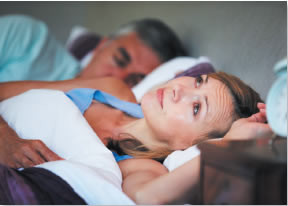
How a sleep shortfall can stress your heart
Getting less than six hours of sleep on a regular basis can boost levels of stress hormones, which can strain your cardiovascular system. |
Find out if your sleeping habits put you at risk—and what to do about it.

Sugary drinks may raise levels of harmful blood fats
Drinking sodas and other beverages sweetened with high-fructose corn syrup may boost levels of harmful LDL cholesterol and triglycerides in your blood, according to a study in the June 2015 American Journal of Clinical Nutrition.
Researchers assigned 85 healthy adults to four different groups. One group drank beverages containing the artificial sweetener aspartame, while the others drank beverages sweetened with various percentages (10%, 17.5%, and 25%) of high-fructose corn syrup. After two weeks, LDL cholesterol levels held steady in people who drank aspartame-sweetened drinks. But among those who drank beverages with high-fructose corn syrup, LDL cholesterol rose in tandem with the percentage of sweetener.
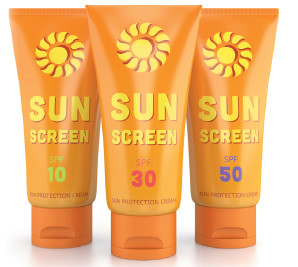
Protect your skin from the sun
A strong sunscreen and sun-protective clothing can help keep you safe this summer and every day of the year.
With summer here, it's time to reach for the sunscreen. But not everyone is convinced that skin protection is a necessity. "Older adults grew up at a time when unprotected skin exposure wasn't a cardinal sin, and many I talk to think a little sun is good for them. But older adults are actually at an increased risk for skin cancer, since their skin is no longer able to repair damage as efficiently as it once did," says Dr. Oon Tan, a dermatologist at Harvard-affiliated Massachusetts Eye and Ear Infirmary.

What's the best way to lose weight?
From the National Weight Control Registry: a healthy diet, daily exercise, and weekly weigh-ins will keep pounds off. Image: Thinkstock |
Some commercial weight-loss plans may help you lose a few pounds, but long-term weight control depends on healthy eating habits and regular exercise.

Treating sleep apnea may stave off cognitive decline
Heavy snoring and sleep apnea may be linked to early declines in memory and thinking, according to a new study published online April 15, 2015, by the journal Neurology. The research also suggests that treating sleep apnea with a continuous positive airway pressure (CPAP) machine may delay the declines.
For the study, researchers reviewed the medical histories for 2,470 people ages 55 to 90 and categorized them as free of memory and thinking problems, in early stages of mild cognitive impairment, or with Alzheimer's disease. For each category, the researchers compared people without sleep apnea, people with untreated sleep apnea, and people with sleep apnea who had used CPAP machines to aid breathing as they slept.
6 low-cost or no-cost home modifications to avoid falls
A few inexpensive changes in the home can lead to fewer injuries from falls each year.
Falls are the leading cause of injuries among older adults, sending more than two million people to the emergency department each year. Falls often result in brain injuries, hip fractures, immobility, and even early death. And many of the fall hazards are right in our own homes. "Anything that might trip a person is going to increase the risk of a fall. People with a balance disorder are often unable to recover when they trip because they lack the agility and coordination to do so," says Dr. Steven Rauch, a hearing and balance expert at Harvard-affiliated Massachusetts Eye and Ear Infirmary.
But most falls are preventable. In fact, a study published in 2014 in The Lancet showed that inexpensive fixes at home are associated with 26% fewer injuries from falls each year. The following modifications made a difference for study participants.

When the doctor prescribes physical rehabilitation
Make sure you communicate with your rehab team, and speak up if something in the program isn't working for you. Image:Thinkstock |
Here's how to get the most out of physical therapy and cardiac rehab.
Whole grains may improve several heart risk factors at once
Light exposure at night may raise risk for heart disease
Children of centenarians may stay healthier and live longer too, study finds
A lumbar belt may help ease low back pain
Signs of pneumonia: Sometimes vague and unexpected
Using a vibration plate: What it can — and can't — do for your body
The surprising link between ovarian cancer and the fallopian tubes
People who walk more or walk faster live longer, study finds
Rosacea treatments: What works?
For sleep apnea, a dental device may be as effective as CPAP
Free Healthbeat Signup
Get the latest in health news delivered to your inbox!
Sign Up
