

Whole grains may improve several heart risk factors at once

Light exposure at night may raise risk for heart disease

Children of centenarians may stay healthier and live longer too, study finds

A lumbar belt may help ease low back pain

Signs of pneumonia: Sometimes vague and unexpected

Using a vibration plate: What it can — and can't — do for your body

The surprising link between ovarian cancer and the fallopian tubes

People who walk more or walk faster live longer, study finds

Rosacea treatments: What works?

For sleep apnea, a dental device may be as effective as CPAP
Sleep Archive
Articles

Improve your health by starting with one simple change
Increase your fruit and vegetable intake by sneaking a few servings into omelets, snacks, and sandwiches. You can also add a side salad at lunch or dinner. Image: Bigstock |
Resolving to try something for a week, such as walking or eating more vegetables, may soon turn into a lifestyle change you can sustain.

Should you go organic?
Organic produce may have fewer pesticide residues than conventionally grown produce. But the amounts for both are within the levels for safe consumption. Image: Thinkstock |
These foods are grown without fertilizers, pesticides, and other synthetic additives. But are they better for you?
Walk through any grocery store today, and you'll likely see more shelf space devoted to organics—foods that are grown without most synthetic fertilizers and pesticides, and animal products that are free of antibiotics and hormones. Demand for organic food is up, with sales reaching $35.9 billion in 2014. "I think people believe these foods are better for them, but we really don't know that they are," says registered dietitian Kathy McManus, director of the Department of Nutrition at Harvard-affiliated Brigham and Women's Hospital.

Tips for evaluating hospitals
Hospital rankings from magazines and websites base their evaluations on performance measures such as patient safety, survival, technology, and readmission rates. Image: Thinkstock |
Your doctor will make the call, but you can stay informed about the hospital you're admitted to through patient reviews, independent rankings, and satisfaction surveys.
Frequent nighttime urination
Having to rise from bed to hit the bathroom even once can be bothersome if it disturbs your sleep rhythm. Image: Thinkstock |
Repeated nocturnal bathroom calls are bothersome, but self-help steps and targeted treatment offer relief.
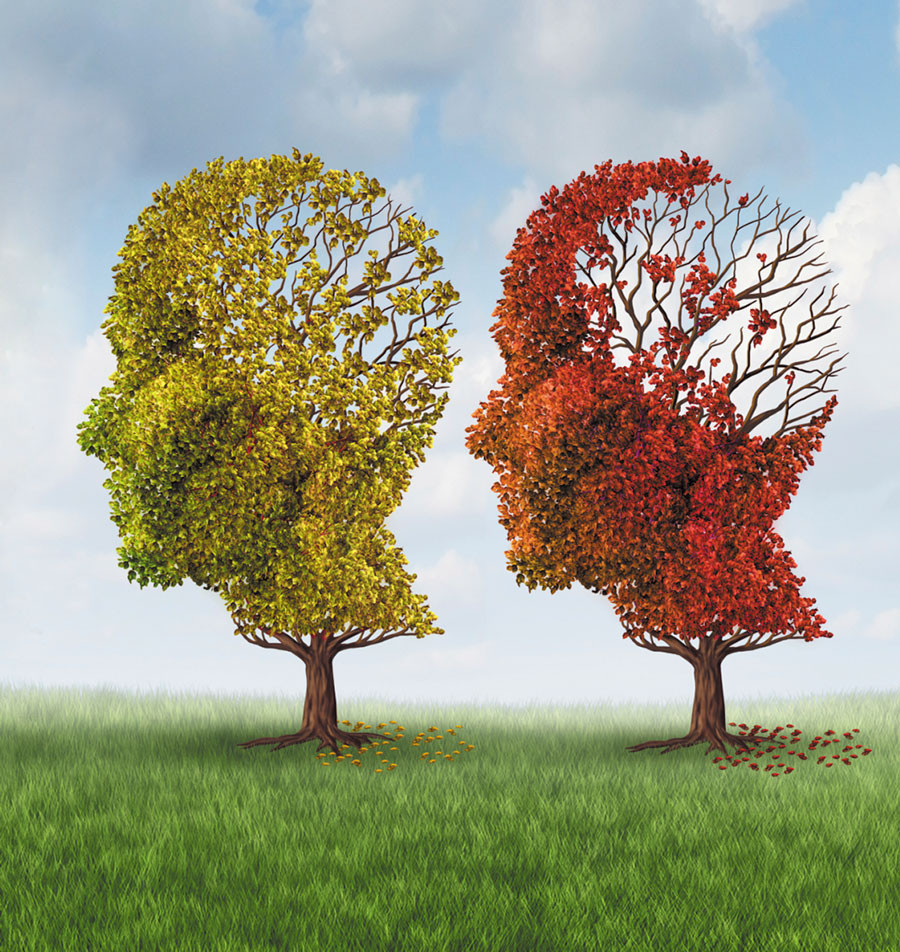
Savor the gifts of the aging mind
| Images: Thinkstock |
With aging, the body and mind change—but it's not all bad.
Aging brings physical changes and a greater risk of health problems—no one needs to tell you that. The mind changes too, and we grumble about things like increased forgetfulness. But the aging mind bestows some gifts, too.

The effects of sleep deprivation on surgeons — and their patients
Do the long hours in the hospital, often with little sleep, make doctors in training more prone to making mistakes? Over the past decade, concerns regarding trainee doctors’ sleep loss and the potential for medical errors have brought about limits on the number of consecutive hours a resident can work in the hospital. Do the same concerns apply to fully licensed surgeons? A recent study in The New England Journal of Medicine suggests that the answer is no. Comparing the data on patients whose surgeons were on call the night before with that of patients whose surgeons were not working the night before showed virtually no difference in how well the patients did after surgery. It is not clear, however, whether these doctors anticipated the effects of being on call and compensated for them, or whether these results would be the same for less-experienced surgeons-in-training.

5 ways to care for yourself while caring for a loved one
Image: iStock |
Caring for an aging parent or a loved one who is ill or disabled is often deeply rewarding. But it can also consume a lot of time, as well as physical and emotional energy. You may feel overwhelmed by myriad responsibilities — home, work, other family needs, and caregiving. But it's just as important to care for yourself before you burn out. Try our five tips below to help rejuvenate yourself.
1. Recruit help: You don't have to "do it all" yourself. In fact, it's best to have more than one person involved in caregiving. Whether it's accompanying your loved one to appointments, helping with housework, or cooking dinner one night a week, ask other family members to lend a hand. And if someone asks if he or she can pitch in, don't be afraid to say yes!

Having a dog can help your heart — literally
Dog lovers know how much warmth and comfort their canine companions add to their lives. But they might not know that a growing body of evidence suggests that having a dog may help improve heart health.
Pet ownership, especially having a dog, is probably associated with a decreased risk of cardiovascular disease. This does not mean that there is a clear cause and effect relationship between the two. But it does mean that pet ownership can be a reasonable part of an overall strategy to lower the risk of heart disease.
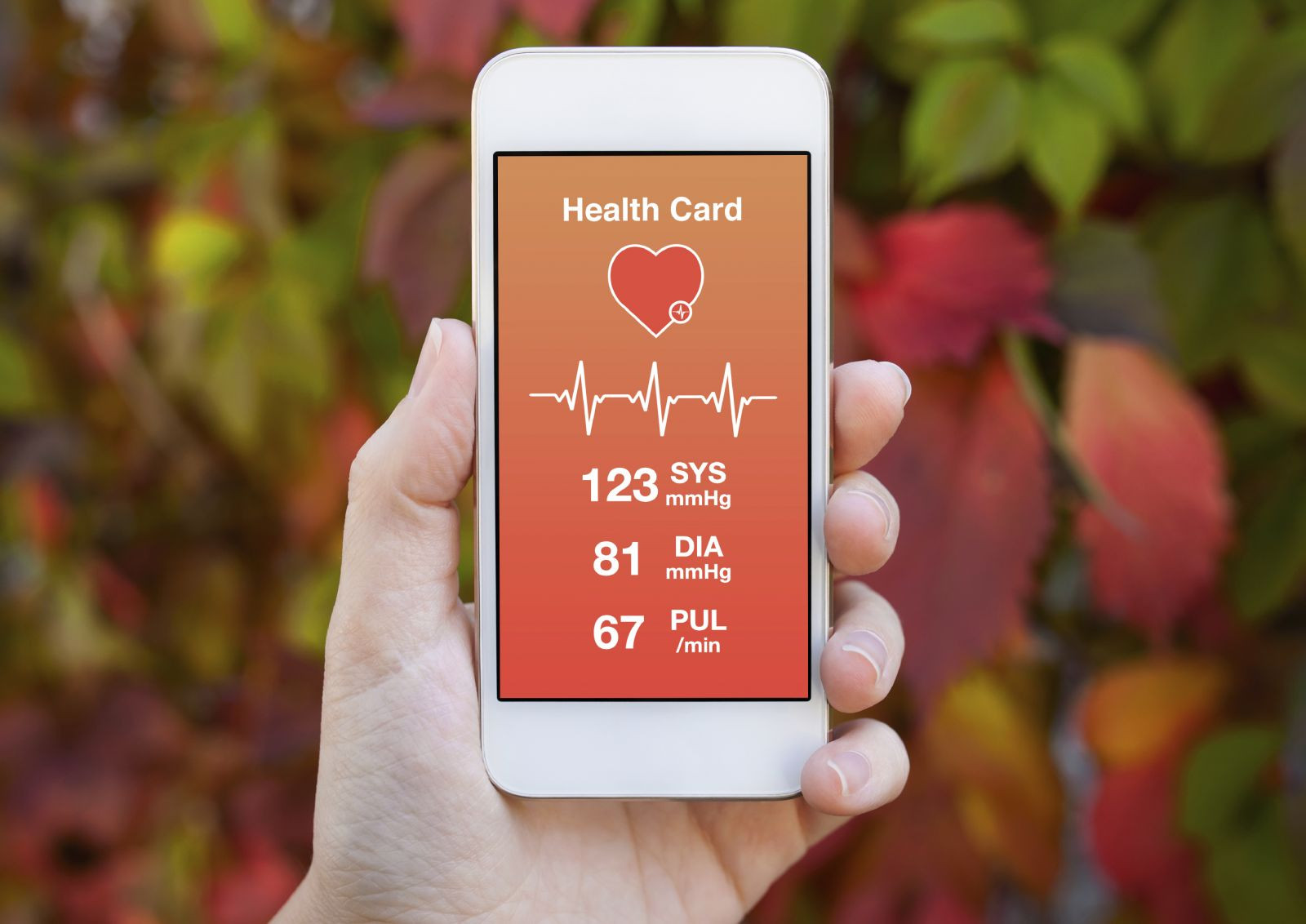
Must-have high-tech tools for caregivers
|
When you are caring for someone who is ill, elderly, or disabled, it's important to consider how you'll handle those times when you can't be with your loved one in person. Thankfully, today's technology offers options that can help you keep track of your loved one's safety and well-being.
Most people are familiar with the emergency response system known as Lifeline. Experts call devices and systems like Lifeline "telecare." But there's much more to telecare than emergency assistance. Today, there are a multitude of telecare devices that can help you stay informed of your loved one's activities and needs in real time.
Whole grains may improve several heart risk factors at once
Light exposure at night may raise risk for heart disease
Children of centenarians may stay healthier and live longer too, study finds
A lumbar belt may help ease low back pain
Signs of pneumonia: Sometimes vague and unexpected
Using a vibration plate: What it can — and can't — do for your body
The surprising link between ovarian cancer and the fallopian tubes
People who walk more or walk faster live longer, study finds
Rosacea treatments: What works?
For sleep apnea, a dental device may be as effective as CPAP
Free Healthbeat Signup
Get the latest in health news delivered to your inbox!
Sign Up
