

Whole grains may improve several heart risk factors at once

Light exposure at night may raise risk for heart disease

Children of centenarians may stay healthier and live longer too, study finds

A lumbar belt may help ease low back pain

Signs of pneumonia: Sometimes vague and unexpected

Using a vibration plate: What it can — and can't — do for your body

The surprising link between ovarian cancer and the fallopian tubes

People who walk more or walk faster live longer, study finds

Rosacea treatments: What works?

For sleep apnea, a dental device may be as effective as CPAP
Sleep Archive
Articles

Exercise linked to lower atrial fibrillation risk for older women
Atrial fibrillation (AF)—in which the upper chambers of the heart contract weakly and rapidly—is associated with an increased risk of stroke and heart failure. Although exercise has been suggested as a preventive strategy, there aren't enough data to indicate whether it prevents AF in women.
To shed more light on the topic, Swedish researchers in 1997 asked about 40,000 women over 50 how much time they had spent exercising throughout their lives. The researchers then tracked the women for 12 years and noted that 2,915 (about 7%) had developed AF. They found that the risk of AF fell steadily with increasing activity. The women who exercised the most—more than four hours a week—were 15% less likely to have developed AF than those who exercised the least (less than one hour a week). Those who walked or biked 40 minutes or more a day had a 20% lower risk than those who rarely did either. The results were reported online by the British journal Heart on May 27, 2015.

Melatonin for jet lag
Ask the doctor
Q. My wife and I are planning a trip to Europe and we are dreading the jet lag, which hits both of us hard. Is there any evidence that melatonin really helps? Are there any prescription drugs we could ask our doctor about?
A. Jet lag refers to fatigue or a disturbed sleep pattern after travel across multiple time zones. Some small studies have suggested that melatonin is helpful for jet lag if taken a few days before and after travel. Melatonin is a natural substance released by our brain to help with our circadian (day/night) rhythm. This rhythm is disturbed with travel across three or more time zones.

Water and health: Follow your thirst
| Image: Thinkstock |
Most men can get the water they need from their usual diet and by drinking when they are thirsty.
Especially in hot weather, we are urged to drink adequate fluids and be on guard for dehydration. That may be why you see people toting bottled water everywhere, propelled by the myth that you need to drink eight glasses of water a day to be healthy.
Does breathing through my mouth affect my dental health?
Ask the doctor
Q. I find that I breathe through my mouth at night because my nose seems to stuff up once my head is on the pillow. Does sleeping with my mouth open affect my teeth and gums?
A. Open-mouth breathing can dry out your gums and the tissue lining your mouth, leading to a change in the natural bacteria, which can promote gum disease and tooth decay. Lying flat can cause mucus to accumulate in your nose. Try propping up your head with a firmer pillow—or a couple of pillows. If that doesn't work, you should talk to your doctor about your problem. You may have an allergy or polyps obstructing your nasal passages that can make it difficult to breathe through your nose and may need to see an otolaryngologist (an ear, nose, and throat specialist). Meanwhile, be sure to brush and floss your teeth regularly and drink lots of water to moisten your mouth throughout the day.

DASH or Mediterranean: Which diet is better for you?
Both eating plans have proven health benefits. Deciding which to follow depends on your goals and preferences.
The DASH diet has been named the best diet in the United States by U.S. News and World Report. However, the U.S. government panel writing the 2015 Dietary Guidelines for Americans cited the Mediterranean diet as an example of how we should eat. If you're trying to choose the best eating plan to lower your health risks, which one should it be?
Too little — or too much — sleep linked to dementia risk
Participants in the Women's Health Initiative Memory Study (WHIMS) have provided a trove of information. They completed monthly questionnaires and underwent cognitive tests. Those who showed significant decline were also tested for dementia.
Recently, researchers analyzed data from 7,444 participants over 65. They had followed the women an average of seven years. Their report was published online June 15, 2015, by Alzheimer's & Dementia.

5 ways to ward off cancer
Being overweight raises the risk of developing cancer. You can reduce that risk if you maintain a normal body mass index. Image: Thinkstock |
There's no guarantee you can prevent cancer, but you can reduce the risk of developing it by making lifestyle changes.

The benefits of vitamin supplements
Most people do not need to take vitamin supplements, but in some situations, taking the pills may provide health benefits. |
Ask the doctor
Q. Are vitamin supplements (like vitamin D) good for your health, and can you tell me who might benefit from taking the pills?
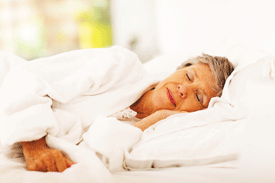
Restructure your day to get a better night's sleep
Consistency in your schedule may help restore patterns of sleep and waking so you can get needed rest.
Image: Thinkstock
Wake up at the same time every day. Waking time is the anchor for your circadian sleep rhythm.
The free time that accompanies your older years may allow you to keep any schedule you like: sleep late one day or wake up early the next. But that lack of structure can have a negative impact on your sleep. “I see a fair number of people who say their sleep was better when they were working, but after retirement it becomes more disrupted,” says sleep specialist Dr. Cynthia Dorsey, assistant professor of psychology in Harvard Medical School’s psychiatry department.

The benefits and risks of rediscovering your favorite sport
Playing a sport in our older years is great exercise. But before stepping onto a playing eld, make sure to address physical limitations. |
Competition is great for older adults, but don't skip training camp before your season starts.
Whole grains may improve several heart risk factors at once
Light exposure at night may raise risk for heart disease
Children of centenarians may stay healthier and live longer too, study finds
A lumbar belt may help ease low back pain
Signs of pneumonia: Sometimes vague and unexpected
Using a vibration plate: What it can — and can't — do for your body
The surprising link between ovarian cancer and the fallopian tubes
People who walk more or walk faster live longer, study finds
Rosacea treatments: What works?
For sleep apnea, a dental device may be as effective as CPAP
Free Healthbeat Signup
Get the latest in health news delivered to your inbox!
Sign Up
