

Whole grains may improve several heart risk factors at once

Light exposure at night may raise risk for heart disease

Children of centenarians may stay healthier and live longer too, study finds

A lumbar belt may help ease low back pain

Signs of pneumonia: Sometimes vague and unexpected

Using a vibration plate: What it can — and can't — do for your body

The surprising link between ovarian cancer and the fallopian tubes

People who walk more or walk faster live longer, study finds

Rosacea treatments: What works?

For sleep apnea, a dental device may be as effective as CPAP
Skin Cancer Archive
Articles

Ask the doctor: Medical x-rays and risk of cancer
Image: Thinkstock |
Q. I am currently receiving annual chest CT scans to check for hidden lung cancer (I used to be a heavy smoker). Should I be concerned about the cumulative effects of radiation exposure?
A. Radiation from medical scans can cause cancer, but the level of exposure considered potentially dangerous appears to be many times greater than the average CT scan. In addition, cancer from medical scans takes decades to develop, which makes it less of a concern for men being screened for lung cancer, which is currently only recommended for current or former smokers ages 55 and older. Radiation from CT scans is a bigger concern for children and young adults, who have more time to develop cancer after exposure to medical x-rays.

Harvard researchers link coffee with reduced colon cancer recurrence
Image: Thinkstock |
You may drink coffee because it tastes good or helps you wake up. But the popular brew is also associated with health benefits, such as reducing the risk for heart disease, stroke, and type 2 diabetes. Now a study from Harvard-affiliated Dana-Farber Cancer Institute published Aug. 17, 2015, in the Journal of Clinical Oncology suggests that regular consumption of caffeinated coffee may be associated with a reduced recurrence of colon cancer, and even a reduced risk of death. The study included nearly 1,000 people with stage 3 colon cancer. They filled out questionnaires about their dietary patterns during chemotherapy, and then again six months after treatment was completed. People who drank four or more cups of coffee per day were 42% less likely to have cancer return than non-coffee drinkers, and were 34% less likely to die from cancer or any other cause.
This type of study doesn't prove that coffee drinking caused the lower chance of cancer recurrence and death. A randomized trial is needed to show cause and effect. But researchers are encouraged by the results. "Regular coffee intake has been associated with a reduced risk of type 2 diabetes, and it may be that through a similar mechanism, coffee may also improve outcomes for people with advanced colon cancer," says Dr. Charles Fuchs, senior author on the paper.

Following low-risk prostate cancers before starting treatment becoming more common
Treatment decisions are complicated for men with low-risk prostate cancer that grows slowly. These cancers may never become deadly during a man’s expected lifespan. And there is no conclusive evidence showing that treatment in these cases extends survival. So cancer specialists have been leaning toward monitoring low-risk prostate cancer carefully and starting treatment only when it begins to spread. This approach was once used only in academic cancer centers, but new research suggests that this strategy is becoming more common in urology practices throughout the United States and other countries as well.
Heart-healthy diet boosts survival in men with low-risk prostate cancer
Can a healthy diet help men with low-risk prostate cancer live longer? The authors of a new study say “yes.” A long-running Physicians’ Health Study, suggests that a diet that is good for the heart, brain, and other parts of the body may also help keep low-risk prostate cancer at bay. On the flip side, a diet rich in red meat and high-fat dairy foods appears to be hazardous for men with this kind of cancer. It isn’t clear why a diet that protects against heart disease would also protect against death from prostate cancer. Dr. Chavarro speculates that it’s because high-fat foods are easily broken down and absorbed by the digestive system, and so they might provide quick energy sources for growing tumors. Nevertheless, the results suggest that by eating healthily, men with prostate cancer can take a proactive step towards living a long life.
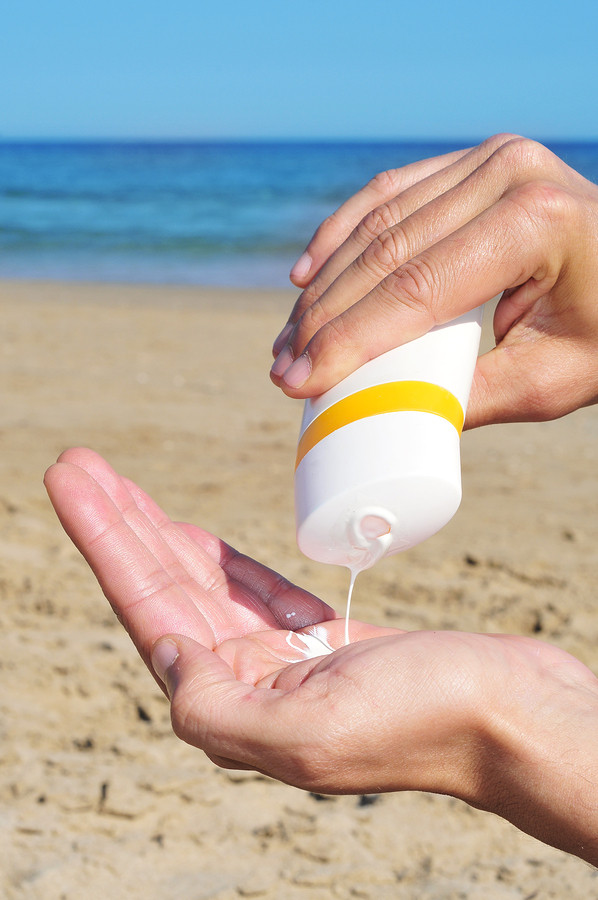
Survey finds men don't use enough sunscreen
The best way to prevent skin cancer is to use sunscreen to reduce lifetime exposure to the sun's damaging rays. But some men may not be heeding the gospel of sun protection, according to a report in the Journal of the American Academy of Dermatology.
Analysis of data from a 2013 national survey showed that less than 15% of men, compared with 30% of women, said they regularly used sunscreen on both the face and other exposed areas, such as the back, arms, and legs.

5 ways to ward off cancer
Being overweight raises the risk of developing cancer. You can reduce that risk if you maintain a normal body mass index. Image: Thinkstock |
There's no guarantee you can prevent cancer, but you can reduce the risk of developing it by making lifestyle changes.

Treating melanoma
If a growth or mole looks like a melanoma, the doctor will take a biopsy to confirm the diagnosis. This entails removing either a sample of tissue or else the entire growth and some surrounding skin, and examining the tissue under a microscope to determine whether it's cancer. Depending on how deep a melanoma is, additional tissue may have to be removed. In some cases, lymph nodes may be removed, too. A procedure called sentinel node biopsy can show whether the lymph node nearest the tumor contains any cancer cells. If it does, surgery to remove additional nodes right away can improve survival.
In addition to surgery, treatments for melanoma include immunotherapy (which strengthens the immune system against the cancer), chemotherapy, and radiation therapy. Newer, so-called targeted treatments include drugs that target specific genetic changes seem in people with certain forms of melanoma. For example, about half of melanomas have genetic changes (mutations) in a gene called BRAF, which signals melanoma cells to grow and divide quickly. Drugs that inhibit BRAF, such as vemurafenib (Zelboraf ) and dabrafenib (Tafinlar), and related proteins are now available.

When medications make you sensitive to sunlight
Avoid sun exposure or wear sunprotective clothing and sunscreen if you’re taking photosensitizing drugs. Image: Thinkstock |
Wear sunscreen, and avoid direct exposure to the sun.
The Department of Defense wages war on prostate cancer
Active and retired servicemen with prostate cancer can get access to clinical trials, experimental therapies, and state-of-the-art care through the Department of Defense’s Center for Prostate Disease Research (CPDR).

Ask the doctor: New DNA-based test for colorectal cancer
Q. I heard that there is a new stool test for colon cancer screening. Can this test replace colonoscopy for me? I am 68 years old with no history of colon problems, and my last colonoscopy was normal.
A. Among screening tests for hidden colorectal cancer, colonoscopy remains the "gold standard" because it's the most effective technique for detecting colon cancers and simultaneously provides an opportunity to remove any precancerous growths (polyps). The new DNA-based stool test (Cologuard) is less invasive and inconvenient than colonoscopy and finds more cancers and polyps than older stool tests, but it does not entirely eliminate the need for colonoscopies.
Whole grains may improve several heart risk factors at once
Light exposure at night may raise risk for heart disease
Children of centenarians may stay healthier and live longer too, study finds
A lumbar belt may help ease low back pain
Signs of pneumonia: Sometimes vague and unexpected
Using a vibration plate: What it can — and can't — do for your body
The surprising link between ovarian cancer and the fallopian tubes
People who walk more or walk faster live longer, study finds
Rosacea treatments: What works?
For sleep apnea, a dental device may be as effective as CPAP
Free Healthbeat Signup
Get the latest in health news delivered to your inbox!
Sign Up
