

Whole grains may improve several heart risk factors at once

Light exposure at night may raise risk for heart disease

Children of centenarians may stay healthier and live longer too, study finds

A lumbar belt may help ease low back pain

Signs of pneumonia: Sometimes vague and unexpected

Using a vibration plate: What it can — and can't — do for your body

The surprising link between ovarian cancer and the fallopian tubes

People who walk more or walk faster live longer, study finds

Rosacea treatments: What works?

For sleep apnea, a dental device may be as effective as CPAP
Skin Cancer Archive
Articles

What is a synthetic human genome?
A group of scientists wants to develop technology to create a synthetic human genome, which could lead to improved organ transplantation, vaccines and medicines, and to new ways to fight cancer and infections.
More evidence that a healthy lifestyle might help prevent cancer
It appears that four healthy habits—getting 150 minutes of moderate-intensity exercise per week, maintaining a body mass index between 18.5 and 27.5, no smoking, and drinking only in moderation—may prevent many cancer cases and death in white people.

Why suntanning is still a bad idea
Sun protection is essential whenever you are outdoors. Self-tanning products offer a safe alternative for attaining that sun-kissed look.
Image: Nadezhda1906/Thinkstock
Gone are the days when we were urged to soak up the rays to get a healthy glow and absorb the "sunshine vitamin." Decades of medical research have determined that sun exposure causes skin cancer and that a nutritious diet and supplementation are reliable ways to obtain the vitamin D essential for good health. In other words, there is no good reason to expose your skin to the sun's ultraviolet (UV) radiation.
There is no such thing as a healthy suntan. "A tan is a response to DNA damage," says Dr. Barbara Gilchrest, a dermatologist at Harvard-affiliated Massachusetts General Hospital. Such damage is instrumental in the development of skin cancer, and it also accelerates skin aging. "Some women may tan well for many years, but eventually the skin quality will change, become leathery, develop lentigenes ["age spots"], and then coarse wrinkling," Dr. Gilchrest says. If you're a lifelong tanner, compare the skin on the underside of your upper arm or buttocks to a tanned area, and you'll see evidence of the changes wrought by UV radiation.

Harvard study links aspirin therapy and cancer prevention
News Briefs
Image: DimaSobko/Thinkstock
A Harvard study published March 3, 2016, in JAMA Oncology adds to increasing evidence that aspirin use may help stave off colorectal cancer and suggests that aspirin is also associated with a small reduction of overall cancer risk.
Researchers looked at aspirin use among almost 136,000 men and women in two studies over 32 years. They noted that regular aspirin use—taking either a 325-mg tablet or an 81-mg tablet two or more times per week—was associated with a 3% reduction in cancers over all, although they saw no effect on major cancers like those of the breast, prostate, or lung. The researchers say the overall reduction was due mostly to a 15% risk reduction for gastrointestinal cancer and a 19% risk reduction for colorectal cancer.
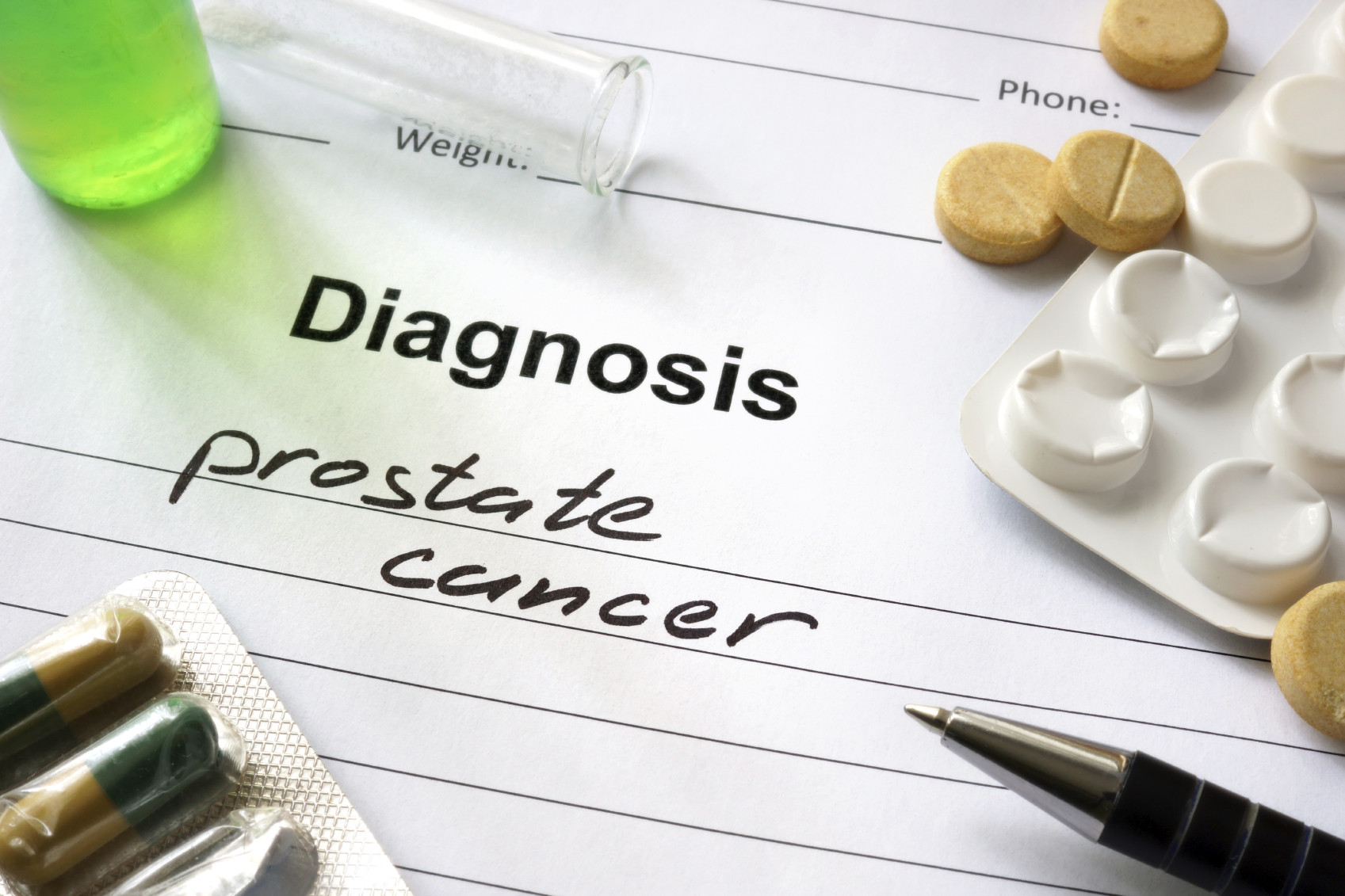
The risks of active surveillance for men with intermediate-risk prostate cancers
Many men with prostate cancer benefit from active surveillance, in which treatment doesn’t begin unless the cancer spreads. There has been some debate about whether this strategy is safe for men with intermediate-risk prostate cancer. A new study suggests that this type of cancer is more likely to spread than previously thought — but active surveillance can still be a good option for many intermediate-risk men.

Sunscreen confusion
Men may not be doing all they need to protect themselves from sun damage and skin cancer.
Image: JupiterImages/Thinkstock
Proper protection against skin cancer continues to be relevant once a man hits age 65. "Unfortunately, ultraviolet [UV] exposure and damage is cumulative over our lifetimes," says Dr. Joseph Merola, a dermatologist with Harvard-affiliated Brigham and Women's Hospital. "There is no safe age at which we can put down the sunscreen or stop thinking about sun protection."
Even if men are aware of the dangers of sun exposure, new research shows most do not follow basic guidelines. A study published June 17, 2015, in JAMA Dermatology found that only 14.3% of men surveyed reported they regularly use sunscreen. The study also found that men were more likely than women to never use sunscreen—43.8% of men compared with 27% of women—and perhaps most telling, only 7% knew what to look for on a sunscreen label.

Do you really need that cancer screening?
Image: Thinkstock
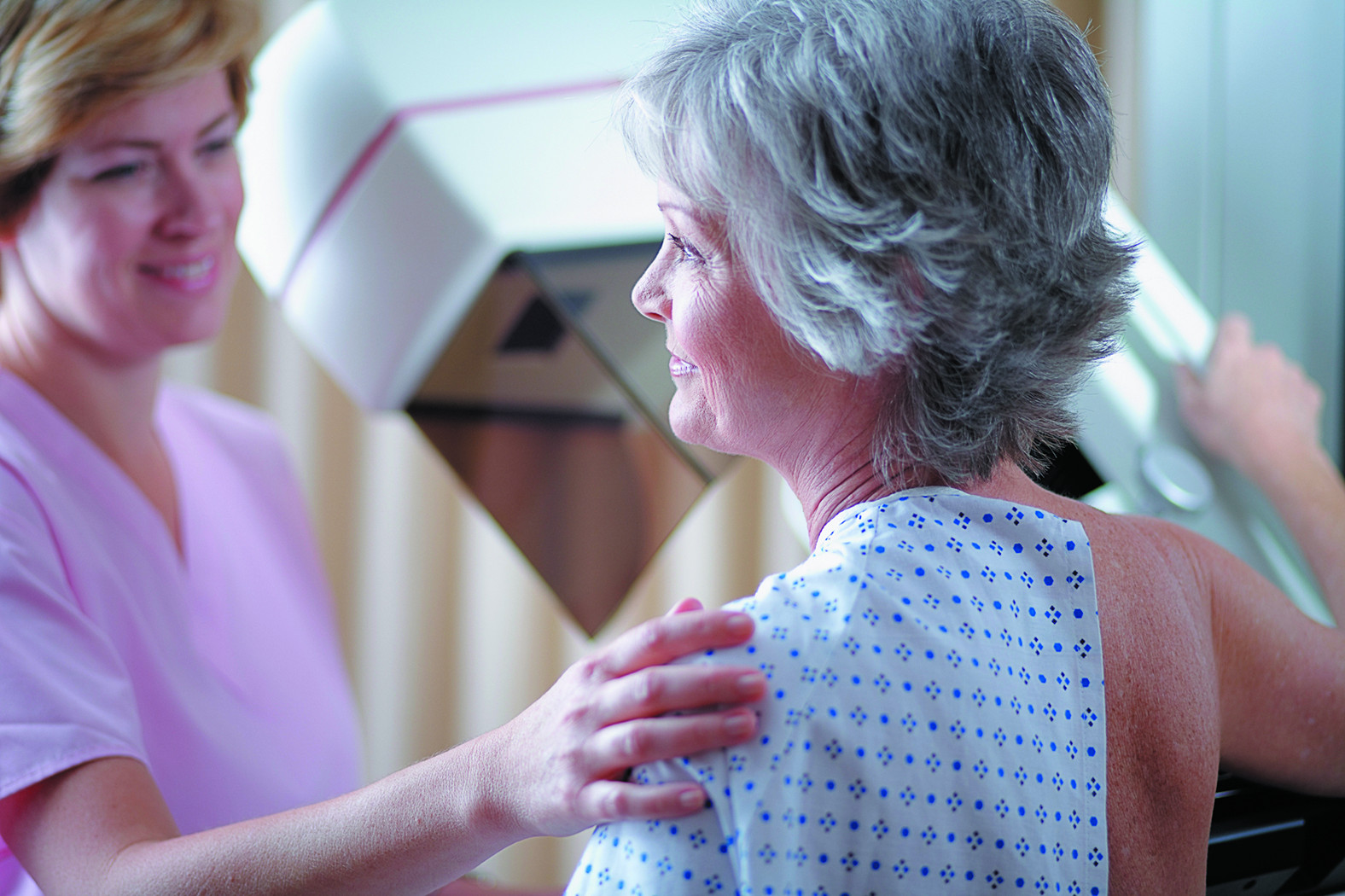
A research letter published online Jan. 21, 2016, in JAMA Oncology suggests that many older adults are getting unnecessary cancer screenings. Researchers looked at questionnaire answers from about 150,000 seniors (ages 65 or older) across the country, and found that about half had received prostate-specific antigen (PSA) testing or mammography in the past year. But a third of those screened did not have a 10-year life expectancy, a major guideline for screening. Unnecessary screening rates varied by state—for example, 11% in Colorado and about 20% in Georgia. "Undergoing a screening test may actually cause more harm than good, especially with older patients or those with significant medical conditions," says Dr. Marc Garnick, an oncologist at Beth Israel Deaconess Medical Center and editor in chief of Harvard's Annual Report on Prostate Diseases. So talk to your doctor about the guidelines. Both the American Cancer Society (ACS) and the U.S. Preventive Services Task Force (USPSTF) recommend routine mammograms every two years for women ages 55 to 74. The ACS does not recommend mammograms in this age group if a woman has a life expectancy of less than 10 years.
For all men, the USPSTF recommends against routine PSA testing. The ACS suggests that men 50 or older (at average risk for prostate cancer) make the decision about screening with their doctor, but only if they have a life expectancy of at least 10 years, and only if they have been advised about the uncertainties, risks, and potential benefits of prostate cancer screening.

Cancer survivors may face cardiovascular complications
Even the newer, targeted cancer therapies may harm the heart.
Image: Bigstock
About 14 million people in the United States are living with cancer, a number that reflects the steady rise in cancer survivorship in recent decades. In 1980, only about half of people with cancer lived five years after diagnosis. Today, five-year cancer survival rates are greater than 70%.
Unfortunately, many cancer-suppressing treatments can have undesirable effects on the heart and blood vessels. The increasing awareness of these effects—coupled with the surge of older people being diagnosed with and surviving cancer—has spurred a new specialty known as cardio-oncology. Experts in this burgeoning field focus on promoting heart health in people with cancer, both during and after their treatment.
Whole grains may improve several heart risk factors at once
Light exposure at night may raise risk for heart disease
Children of centenarians may stay healthier and live longer too, study finds
A lumbar belt may help ease low back pain
Signs of pneumonia: Sometimes vague and unexpected
Using a vibration plate: What it can — and can't — do for your body
The surprising link between ovarian cancer and the fallopian tubes
People who walk more or walk faster live longer, study finds
Rosacea treatments: What works?
For sleep apnea, a dental device may be as effective as CPAP
Free Healthbeat Signup
Get the latest in health news delivered to your inbox!
Sign Up
