

Whole grains may improve several heart risk factors at once

Light exposure at night may raise risk for heart disease

Children of centenarians may stay healthier and live longer too, study finds

A lumbar belt may help ease low back pain

Signs of pneumonia: Sometimes vague and unexpected

Using a vibration plate: What it can — and can't — do for your body

The surprising link between ovarian cancer and the fallopian tubes

People who walk more or walk faster live longer, study finds

Rosacea treatments: What works?

For sleep apnea, a dental device may be as effective as CPAP
Skin Cancer Archive
Articles

What is venous insufficiency?
Venous insufficiency, which happens when veins don’t work properly, can cause swelling, pain, and a sense of heaviness in the legs. Elevating the legs when sitting or lying down can help; so can support stockings.

What can be done about droopy eyelids?
Droopy eyelids, known as ptosis, are often a normal occurrence of aging although some neurologic conditions also can cause the condition. Ptosis is not a serious problem unless it interferes with your vision. If this happens, or if your droopy eyelids are bothersome, you can opt for cosmetic surgery to repair your eyelids.

Beverage temperature tied to cancer risk
Beverages consumed at temperatures above 150° F may contribute to esophageal cancer.

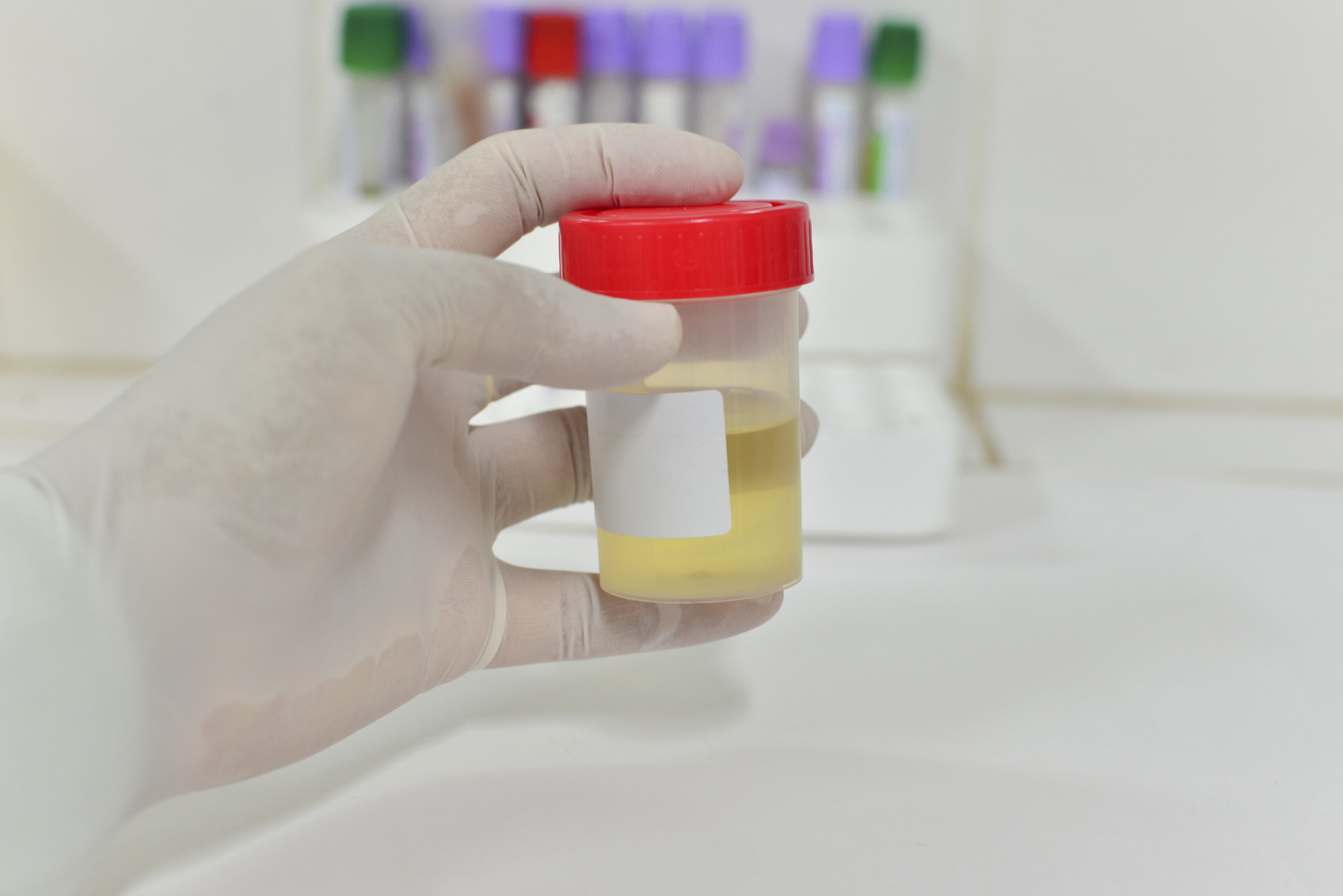
New urine test predicts high-grade prostate cancer
Researchers believe that a non-invasive screening test that can identify genetic markers for high-grade prostate cancer in urine may eventually reduce the number of prostate biopsies needed. However, experts also caution that while the number of non-invasive tests for prostate cancer diagnosis is growing, these are still early days in their development.
Gum disease may signal warning for pancreatic cancer
Research has found that people with high levels of the oral bacteria Porphyromonas gingivalis had a 59% greater risk of developing pancreatic cancer. It is too early to say whether this specific bacterium directly contributes to the disease. However, one theory is that since inflammation is related to cancer, the bacteria could cause inflammation in the pancreas. Another possibility is the bacteria are simply a marker for cancer-causing inflammation.

E-cigarettes: Good news, bad news
While e-cigarettes do not produce the tar or toxic gases found in cigarette smoke, this doesn’t make them a healthy option. The e-liquid found in e-cigarettes still contains highly addictive nicotine that also increases your risk of insulin resistance and type 2 diabetes. Nicotine also increases the risk of addiction to other drugs and may impair brain development. Rather than rely on the perceived benefits of e-cigarettes, people should avoid smoking altogether.
New blood test for colon cancer screening: Questions remain
In April, the U.S. Food and Drug Administration (FDA) approved a new screening test for colon cancer, making it the first blood-based test for this type of cancer. While this test does make it more convenient for people to get screened for colon cancer, it is also less exact than the current screening methods. It is important to discuss your risk factors and screening options with your doctor.

“Second skin” reduces eye bags
A silicone-based product applied under the eyes can reduce the appearance of bags.

Does regular exercise reduce cancer risk?
It appears people with the highest levels of physical activity have lower rates of cancer of the esophagus, lung, kidney, colon, head and neck, rectum, bladder and breast, compared with people with the lowest levels of physical activity.
Whole grains may improve several heart risk factors at once
Light exposure at night may raise risk for heart disease
Children of centenarians may stay healthier and live longer too, study finds
A lumbar belt may help ease low back pain
Signs of pneumonia: Sometimes vague and unexpected
Using a vibration plate: What it can — and can't — do for your body
The surprising link between ovarian cancer and the fallopian tubes
People who walk more or walk faster live longer, study finds
Rosacea treatments: What works?
For sleep apnea, a dental device may be as effective as CPAP
Free Healthbeat Signup
Get the latest in health news delivered to your inbox!
Sign Up
