

Naturally gluten-free foods

Harvard study: Healthier fats linked to longer life after prostate cancer diagnosis

Shingrix shingles vaccine linked with lower heart disease risks

Estrogen-only hormone therapy tied to lower dementia risk

Should you have a hysterectomy?

Stair climbing may significantly lower cardiovascular risks

Why do I sweat so much?

Walking pneumonia: The "mild" illness that can still pack a punch

What causes knee pain: How doctors make a diagnosis

Where you carry excess weight matters in predicting heart disease risk
Sexually transmitted infections (STIs) Archive
Articles
National task force updates recommendations on hormone therapy after menopause
Updated national guidelines on hormone therapy after menopause recommend that women use it only for relief of menopause-related symptoms, not to prevent chronic conditions that become likelier with age.

Shingles linked with higher risk for heart disease and stroke
People who have had shingles have a 30% increased risk for heart disease and stroke, says a new Harvard study. Learn more about the risk.

Exercise can reduce fatigue in breast cancer patients undergoing radiation
A 2022 study suggests that regular exercise may improve fatigue and physical and emotional well-being among women undergoing radiation treatment for breast cancer.

Why won't my hives go away?
Hives are red, itchy welts that crop up on the skin. Allergic reactions and stress, among other triggers, can cause episodes of hives, which typically last several days to a couple of weeks. Cases that last six weeks or longer may be autoimmune hives.

Vaccination may protect against long COVID
Getting at least one dose of a COVID vaccine lowers the risk of developing long COVID even among people who were previously unvaccinated and recovered from COVID.

A new calculation tool may help predict men's prostate cancer risk
A new calculation tool that focuses on family history and specific genetic variants may help identify men at high risk for prostate cancer and help determine who would benefit most from routine screening.

Straight talk about Peyronie's disease
Peyronie's disease, a condition marked by extreme curvature of the penis, affects about 3% to 10% of men, usually between the ages of 45 and 60, but also can occur in men older than 60. There is no cure for Peyronie's, and the condition often does not improve on its own, but in mild cases men can maintain a regular sex life. If the curvature is severe, making erections or intercourse painful, treatment may help. Options include traction therapy, drug injections, and surgery.

Harvard study: Shingles linked to a spike in risks for heart attack and stroke
A 2022 observational study that included more than 200,000 people found that those who'd had shingles at some point had a 30% higher long-term risk for a major cardiovascular event, compared with people who didn't have shingles.
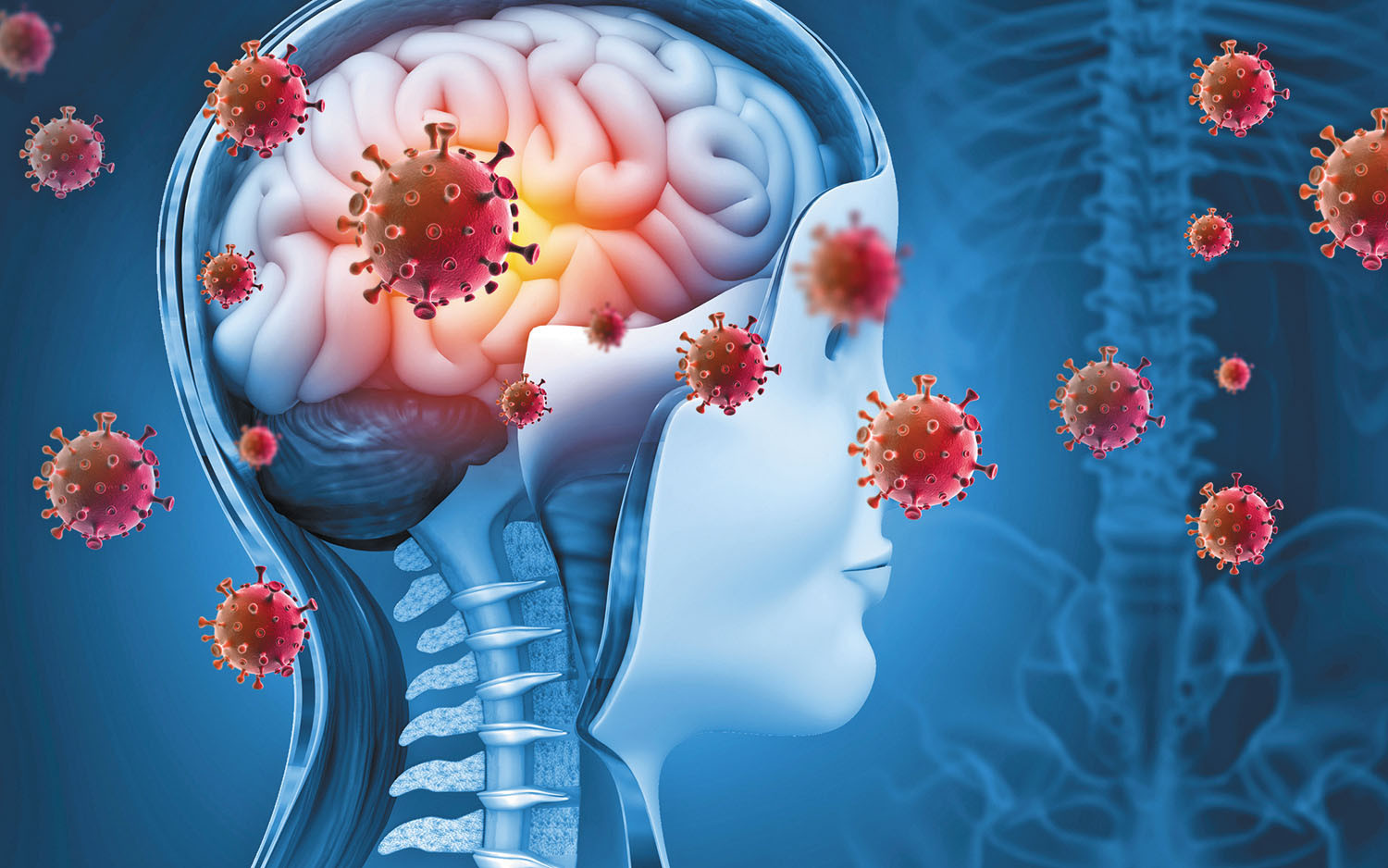
Does COVID-19 damage the brain?
COVID-19 can damage the brain in many ways. Initially, it can cause brain inflammation that causes confusion, difficulty concentrating, and memory problems. COVID also can cause new psychological disorders such as depression or anxiety. It can even cause people to see and hear things that aren't there and to believe things that aren't true. COVID often damages the brain's autonomic nervous system, leading to abnormalities in heart rate and blood pressure. Additionally, the virus that causes COVID can infect and injure the lining of blood vessels and make blood clot more easily, which can lead to strokes and heart attacks.

Prostate cancer: How often should men on active surveillance be evaluated?
Doctors used to recommend treating all men with prostate cancer; now they are likely to advise active surveillance for lower-risk cancers. But some men require closer monitoring — so how do they determine which ones?
Naturally gluten-free foods
Harvard study: Healthier fats linked to longer life after prostate cancer diagnosis
Shingrix shingles vaccine linked with lower heart disease risks
Estrogen-only hormone therapy tied to lower dementia risk
Should you have a hysterectomy?
Stair climbing may significantly lower cardiovascular risks
Why do I sweat so much?
Walking pneumonia: The "mild" illness that can still pack a punch
What causes knee pain: How doctors make a diagnosis
Where you carry excess weight matters in predicting heart disease risk
Free Healthbeat Signup
Get the latest in health news delivered to your inbox!
Sign Up
