

Naturally gluten-free foods

Harvard study: Healthier fats linked to longer life after prostate cancer diagnosis

Shingrix shingles vaccine linked with lower heart disease risks

Estrogen-only hormone therapy tied to lower dementia risk

Should you have a hysterectomy?

Stair climbing may significantly lower cardiovascular risks

Why do I sweat so much?

Walking pneumonia: The "mild" illness that can still pack a punch

What causes knee pain: How doctors make a diagnosis

Where you carry excess weight matters in predicting heart disease risk
Sexually transmitted infections (STIs) Archive
Articles

This unusual syndrome causes your heart to race when you stand up
A rapid heart rate—tachycardia—is a key feature of postural orthostatic tachycardia syndrome, or POTS, a mysterious condition that involves the nervous system and can cause a constellation of symptoms, including fatigue, shortness of breath, headaches, and brain fog, as well as pain in the chest, extremities, or elsewhere in the body. At least half of all cases of POTS are thought to be triggered by an infection (such as mononucleosis), which then spurs inflammation or an autoimmune response. Treatment includes drinking lots of water, eating lots of salt, and graded exercise training.

FDA approves new treatment for advanced prostate cancer
Approval by the FDA of a new drug combination for treatment of advanced prostate cancer fills a need and offers new hope to men whose cancer has progressed and who have already tried other therapies.
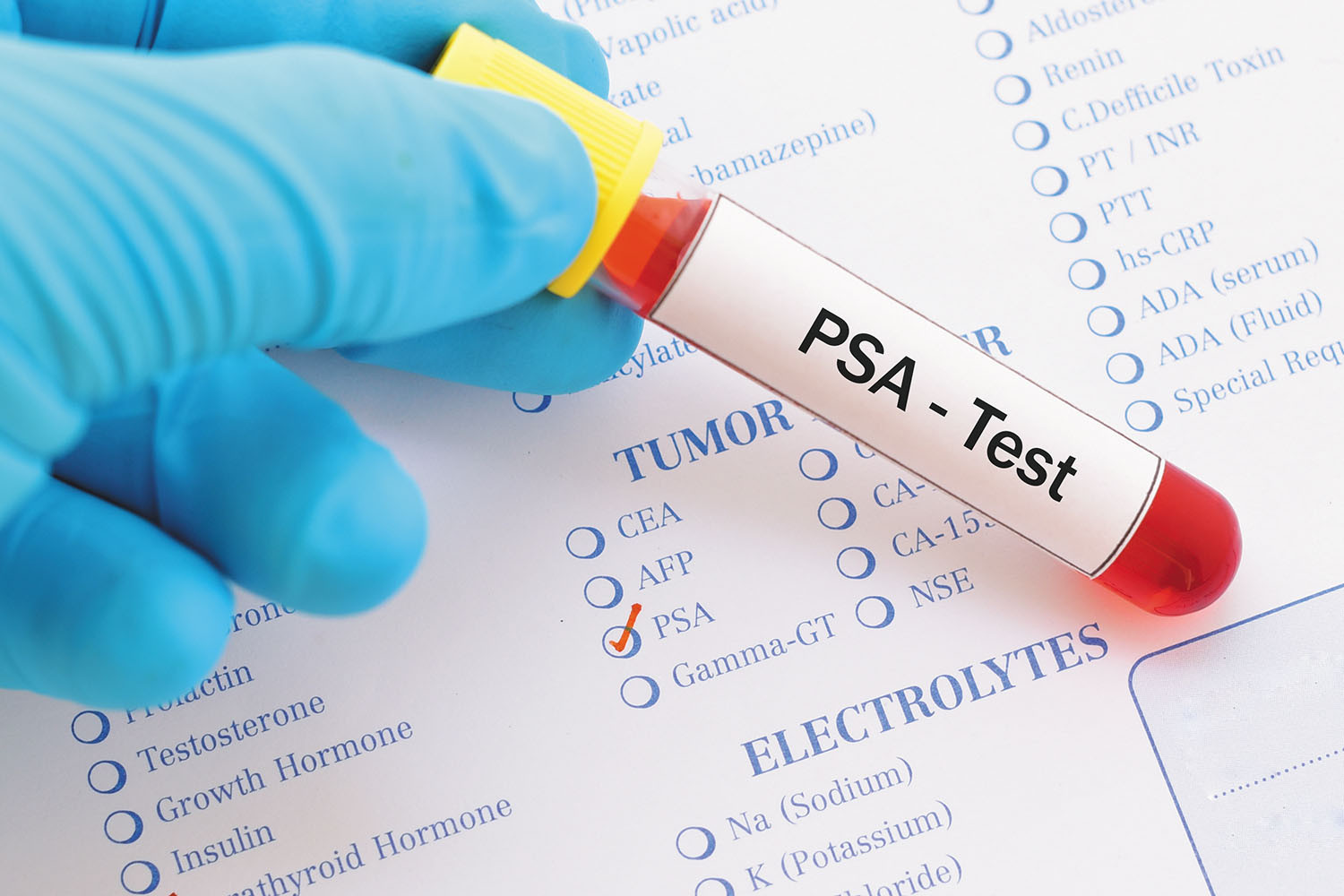
Older men continue to have excessive PSA testing
Guidelines recommend against routine prostate-specific antigen (PSA) testing in men ages 70 and older. Still, two 2023 studies found that men in this age group are having too many PSA tests.

Lessons learned from COVID
While the COVID pandemic changed how many people approached their health, the experience offers a teachable moment about how people can maintain new and improved healthy habits. Four areas that were most affected by COVID and enabled people to create positive changes are exercise, diet, medical check-ups, and social connections.

Sexual feelings
Feelings of sexual desire change for both men and women as they age. Sometimes the desire is more robust for only one partner, or desires fluctuate so much that partners are rarely in sync. Talking about these changes and exploring different ways to approach this new phase of sex can help both partners find mutual enjoyment.

Does my prostate cancer increase my risk for other cancers?
In general, prostate cancer that occurs after age 60 does not increase the risk of getting a second, different cancer. However, lifestyle habits that contribute to prostate cancer, like poor diet, lack of exercise, and obesity, can raise the risk for other cancers.

Older women disproportionately diagnosed with advanced cervical cancer
A 2023 study indicates that women 65 and older are diagnosed with advanced cervical cancer more often than younger women, and they have a worse prognosis.

Menopause marketing: Hype vs. truth
An array of "menopause skin care" products joined the beauty market in recent years. Some contain virtually the same active ingredients as "anti-aging" skin products. Falling estrogen levels during the menopause transition can lead to dryness and sagging. Broad-spectrum sunscreen, moisturizers, and other products can help offset these skin changes, but not prevent or cure them. Women should examine a product's ingredients to determine if a "menopause" version is truly different from a standard "anti-aging" version.

Opioid use disorder in older adults: More common than you might think
Adults over 60 are the largest users of prescription opioids in the United States. Opioid use disorder and death rates among older adults have skyrocketed in recent years. Various factors make people more likely to abuse opioids, including smoking or earlier substance use problems. People can avoid sliding into opioid misuse by taking opioids for the shortest possible time, using non-opioid medications, and trying alternative pain relief approaches.

Study questions commercial men's health clinics services
Consumers should be wary about direct-to-consumer men's health clinics, as many offer costly treatments not supported by evidence and lack medical oversight, according to a 2023 investigative study.
Naturally gluten-free foods
Harvard study: Healthier fats linked to longer life after prostate cancer diagnosis
Shingrix shingles vaccine linked with lower heart disease risks
Estrogen-only hormone therapy tied to lower dementia risk
Should you have a hysterectomy?
Stair climbing may significantly lower cardiovascular risks
Why do I sweat so much?
Walking pneumonia: The "mild" illness that can still pack a punch
What causes knee pain: How doctors make a diagnosis
Where you carry excess weight matters in predicting heart disease risk
Free Healthbeat Signup
Get the latest in health news delivered to your inbox!
Sign Up
