

Naturally gluten-free foods

Harvard study: Healthier fats linked to longer life after prostate cancer diagnosis

Shingrix shingles vaccine linked with lower heart disease risks

Estrogen-only hormone therapy tied to lower dementia risk
Should you have a hysterectomy?

Stair climbing may significantly lower cardiovascular risks

Why do I sweat so much?

Walking pneumonia: The "mild" illness that can still pack a punch

What causes knee pain: How doctors make a diagnosis
Where you carry excess weight matters in predicting heart disease risk
Sexually transmitted infections (STIs) Archive
Articles

The FDA relaxes restrictions on blood donation
While the FDA rules for blood donation were revised twice in the last decade, one group — men who have sex with men — continued to be turned away from donating. Now new, evidence-based FDA rules will focus on individual risk rather than groupwide restrictions.

How can I avoid long COVID?
Tens of millions of people who've had COVID-19 suffer with persisting symptoms. The condition is called long COVID. Symptoms, such as fatigue, difficulty concentrating, and disrupted sleep, can seriously impair the ability to function at work and at home. Vaccines and antiviral drugs appear to offer some protection against getting long COVID. But more information is needed. The National Institutes of Health has committed over $1 billion to discover how to better diagnose, effectively treat, and ultimately prevent long COVID.
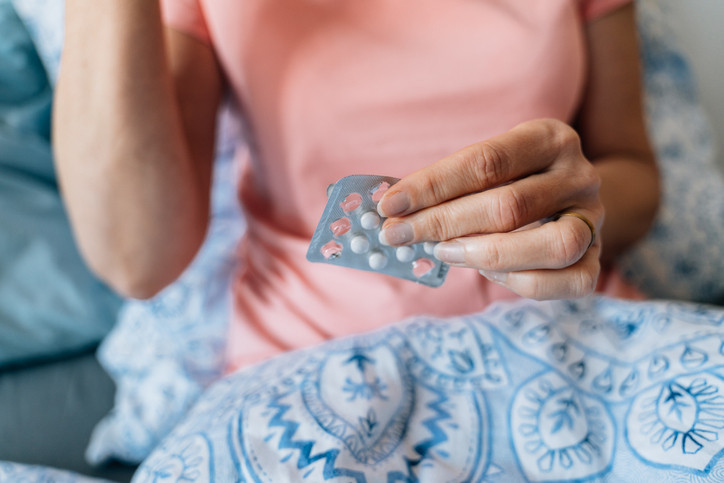
FDA approves first drug designed to treat hot flashes
In May 2023, the FDA approved fezolinetant (Veozah), a nonhormonal drug specifically designed to reduce the frequency and severity of hot flashes in women. Potential side effects include liver damage, abdominal pain, diarrhea, insomnia, or back pain.

Why do I bleed after sex?
Bleeding after sex can happen for many reasons, including vaginal dryness; inflammation from vaginal infections, including sexually transmitted infections; cervical polyps; or gynecological cancers. Women should see a doctor about unusual vaginal bleeding.

Watch out for tainted sexual enhancement products
According to the FDA, many sexual enhancement products sold online and over the counter may cause potentially serious side effects and interact with other medications or dietary supplements.

Diet and prostate cancer
Eating a plant-based diet like the Mediterranean, MIND, or DASH diet has been shown to help people lose weight and lower their risk for heart disease and diabetes. But such a diet may also help men lower their risk for prostate cancer or help slow the spread of existing prostate cancer. The connection may be due to high consumption of inflammation-fighting fruits, vegetables, and fatty fish, and the fact that people who follow a plant-based diet eat less red meat and processed foods, high intakes of which are associated with cancer risk.

National task force proposes updated breast cancer screening recommendations
The U.S. Preventive Services Task Force released updated draft guidelines in May 2023 proposing that women at average risk of breast cancer be screened every other year starting at age 40.
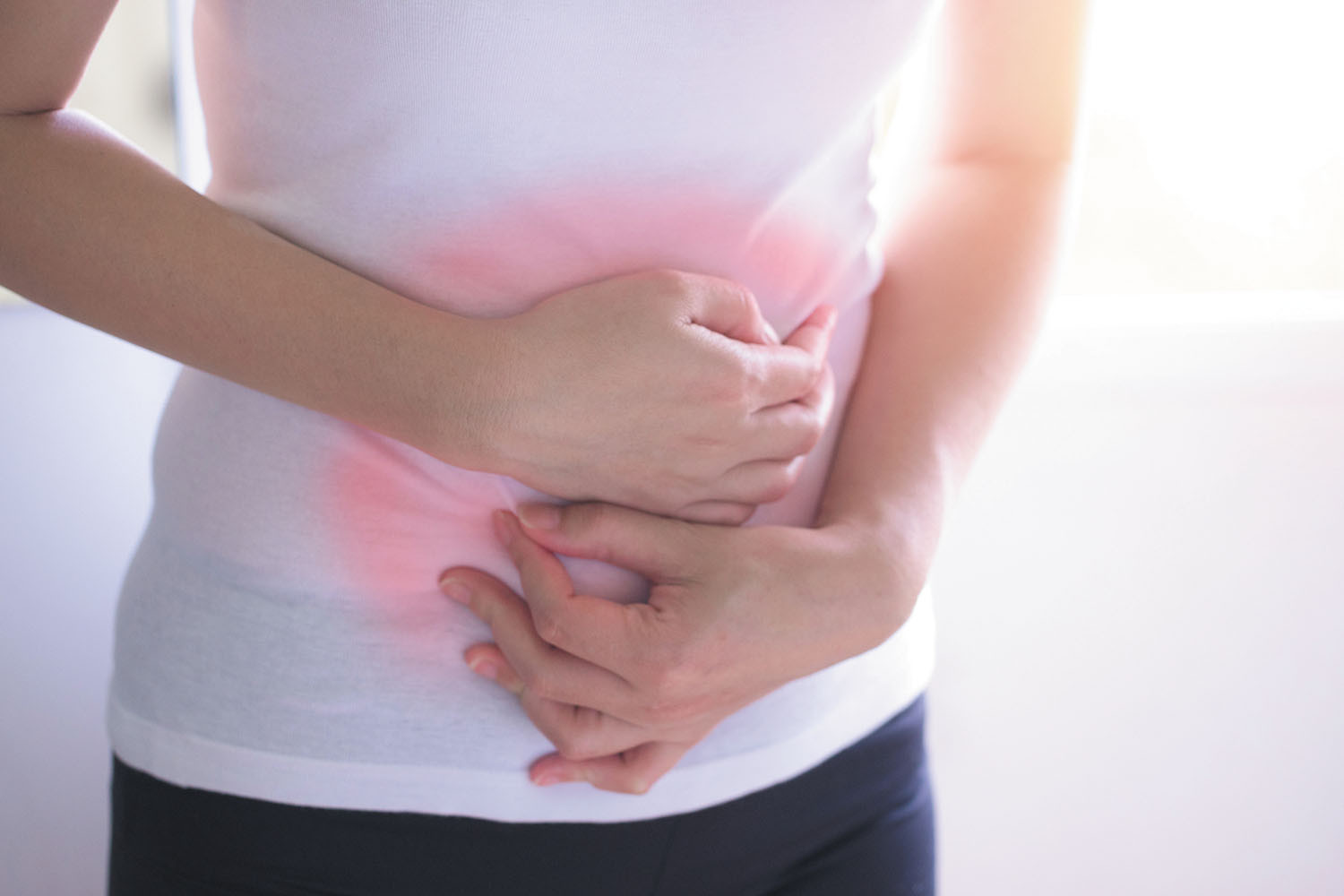

Are inflammatory bowel disease and irritable bowel syndrome the same?
Irritable bowel syndrome (IBS) and inflammatory bowel disease (IBD) are different, though they can have similar symptoms. IBS symptoms seem to arise from hypersensitive nerves and abnormal muscle contractions in the digestive tract, while IBD results from a problem with the immune system causing inflammation.

Can we prevent urinary tract infections?
Scientists are testing potential vaccines that aim to prevent urinary tract infections (UTIs). Until then, strategies that may help ward off UTIs include drinking lots of water each day, emptying the bladder after sexual intercourse, using vaginal estrogen creams (for women), wiping front to back after gong to the bathroom (for women), taking a daily long-term, low-dose antibiotic, taking a single dose of an antibiotic after sex (if recurrent UTIs often follow sexual intercourse), or taking cranberry supplements.
Naturally gluten-free foods
Harvard study: Healthier fats linked to longer life after prostate cancer diagnosis
Shingrix shingles vaccine linked with lower heart disease risks
Estrogen-only hormone therapy tied to lower dementia risk
Should you have a hysterectomy?
Stair climbing may significantly lower cardiovascular risks
Why do I sweat so much?
Walking pneumonia: The "mild" illness that can still pack a punch
What causes knee pain: How doctors make a diagnosis
Where you carry excess weight matters in predicting heart disease risk
Free Healthbeat Signup
Get the latest in health news delivered to your inbox!
Sign Up
