

People who walk more or walk faster live longer, study finds

Rosacea treatments: What works?

For sleep apnea, a dental device may be as effective as CPAP

Carb cycling: What is it, and does it work?

Understanding orthorexia: Have your healthy eating goals gone too far?

Melatonin or magnesium: Can either supplement help you sleep?

Salmonella, E. coli, Cyclospora, and other germs that cause food poisoning: What you need to know

Naturally gluten-free foods

Harvard study: Healthier fats linked to longer life after prostate cancer diagnosis

Shingrix shingles vaccine linked with lower heart disease risks
Prebiotics & probiotics Archive
Articles

Salmonella, E. coli, Cyclospora, and other germs that cause food poisoning: What you need to know
Bacteria, parasites, and viruses can all cause food poisoning. Proper handling, cooking, and storage of food help reduce the chances of an infection. If you get food poisoning, it usually can be treated at home by replenishing lost fluids and electrolytes.

What is cholestasis and how is it treated?
A bile flow problem can cause noticeable changes in the skin, urine, stools, and comfort, with treatment depending on the underlying cause.
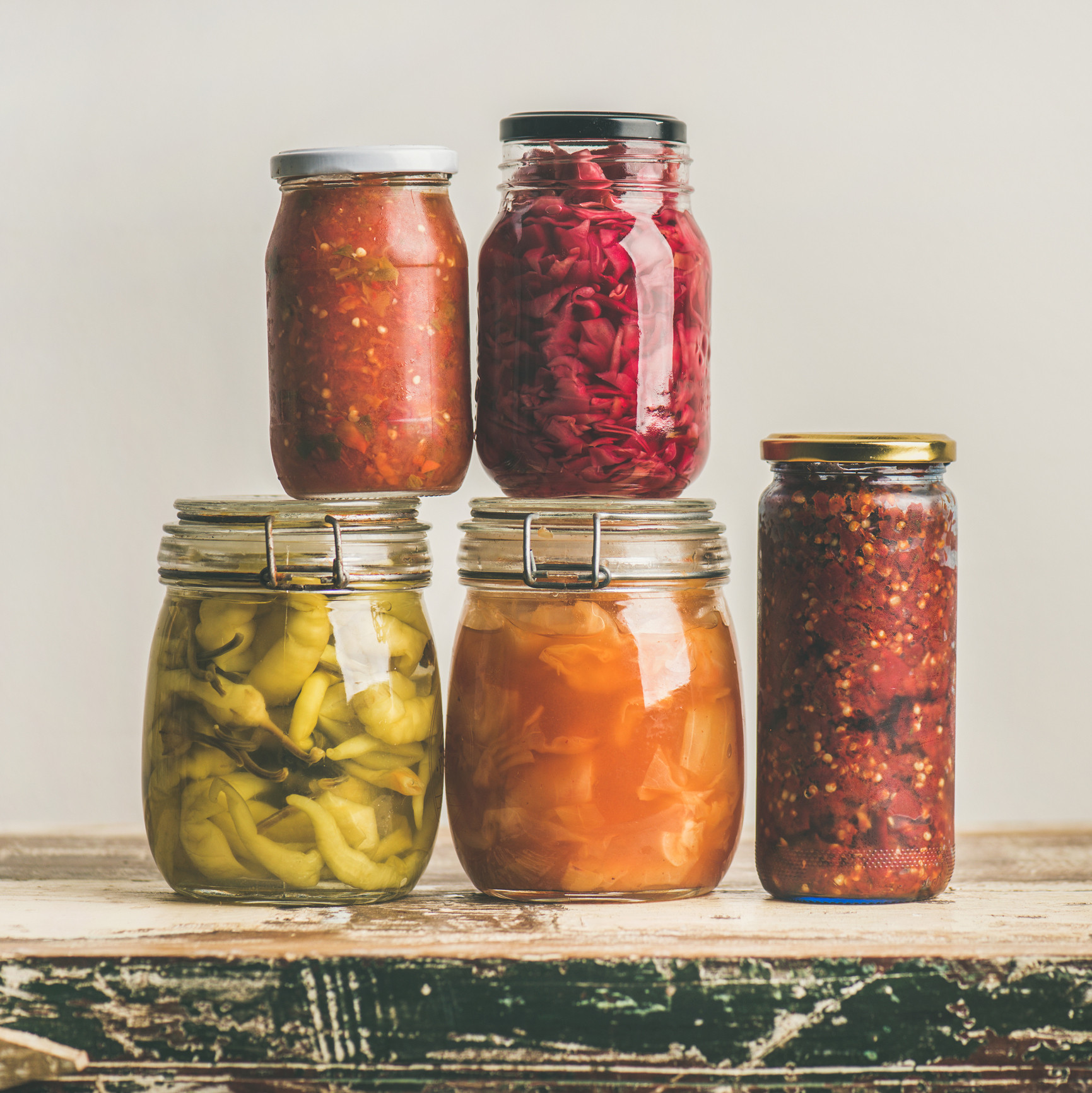
Fermented foods for better gut health
Naturally fermented foods have been getting the attention of health experts because they contain beneficial probiotics that may help strengthen your gut biome — the bacteria and microorganisms in your digestive tract.
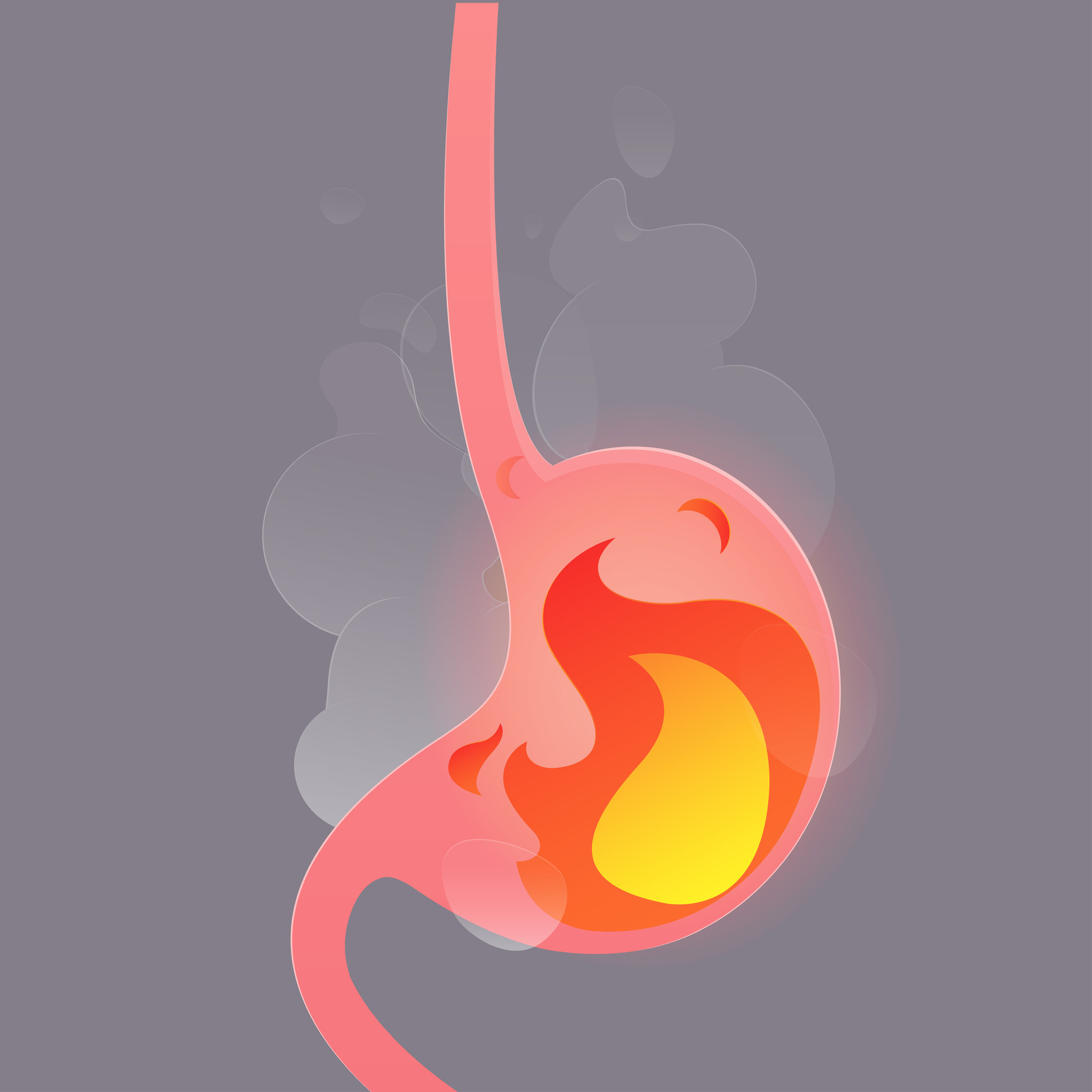
Can digestive enzyme supplements help relieve my heartburn?
A digestive enzyme supplement can be helpful for people who have difficulty digesting certain foods, but taking one to treat a condition such as heartburn may or may not provide any relief.



Why might your GGT (gamma-glutamyl transferase) level be elevated?
An elevated GGT result can have several explanations, from supplements and pain relievers to underlying liver conditions.
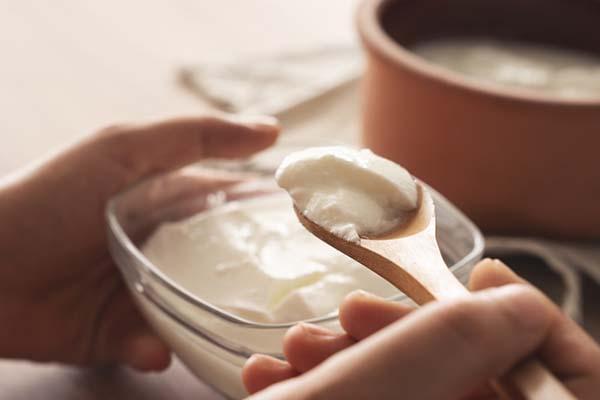
Greek yogurt: Health benefits, protein content, and how to choose the best option
Compared with regular yogurt, Greek yogurt delivers double the protein with fewer carbs—but also less calcium. Both types provide probiotics and are generally easier to digest than other dairy products. Look for unflavored versions or those with fewest added sugars, and limit saturated fat.

Want probiotics but dislike yogurt? Try these foods
One reason people eat yogurt is because it contains probiotics — beneficial bacteria and yeasts that improve digestion, provide protection from dangerous organisms, and boost the immune system. But not everyone likes the taste or texture of yogurt, so here are some other foods that offer the same benefits.

Looking out for diverticulitis
More than half of US adults over 60 have diverticulosis, a condition where part of the wall of the colon bulges outward and forms tiny pouches. Diverticulosis does not cause symptoms, but if a pouch becomes inflamed or infected it becomes diverticulitis, which can be mild or more serious.
People who walk more or walk faster live longer, study finds
Rosacea treatments: What works?
For sleep apnea, a dental device may be as effective as CPAP
Carb cycling: What is it, and does it work?
Understanding orthorexia: Have your healthy eating goals gone too far?
Melatonin or magnesium: Can either supplement help you sleep?
Salmonella, E. coli, Cyclospora, and other germs that cause food poisoning: What you need to know
Naturally gluten-free foods
Harvard study: Healthier fats linked to longer life after prostate cancer diagnosis
Shingrix shingles vaccine linked with lower heart disease risks
Free Healthbeat Signup
Get the latest in health news delivered to your inbox!
Sign Up
