

Even a little exercise linked with lower stroke risk in people with afib

Testosterone therapy without evidence of deficiency may boost heart risk

Weight-loss drug may lower risk of heart attacks and infections

What to eat on the DASH diet

Migraine: How it's diagnosed and what that means

Tricep workouts you can do at home

Mindfulness practices to reduce stress and improve focus

Antihistamines may not offer meaningful relief from eczema symptoms

Overweight and taking blood pressure medications: Study finds it's a trend that's working

FDA approves first mRNA-based flu vaccine
Mind & Mood Archive
Articles

From street drug to depression therapy
Ketamine offers a new option for people with stubborn depression that doesn't respond to other medications.
Image: © AleksandarNakic/Getty Images
Many people know of ketamine as a hallucinogenic and addictive street drug, which, when abused, can put people in medical peril. But today, doctors are increasingly looking to ketamine as a potentially lifesaving treatment for people with severe, treatment-resistant depression, who may be at high risk for suicide.
"Ketamine has been shown to be effective in people who have not responded to antidepressant treatment," says Dr. Cristina Cusin, an assistant professor of psychiatry at Harvard Medical School. The fast-acting treatment has shown promise — sometimes improving depressive symptoms within hours of the first intravenous treatment.

Spectator sports: How a high-stakes game may affect your heart
Research we're watching
Image: © FatCamera/Getty Images
Stressful events — even positive ones, such as watching an exciting sporting match — can affect your heart. During World Cup soccer and the National Football League's Super Bowl, rates of heart attacks and heart rhythm problems (arrhythmias) increase, both among sports fans and within the local population. A study published online August 20 by the American Journal of Cardiology takes a closer look at this risk.
Researchers examined data from 133 people with implanted cardiac devices in St. Louis, Mo., during two 10-day periods. The first was in early September of 2011 (the control period). The second was six weeks later during the World Series, when the St. Louis Cardinals played a series of dramatic games against the Texas Rangers.
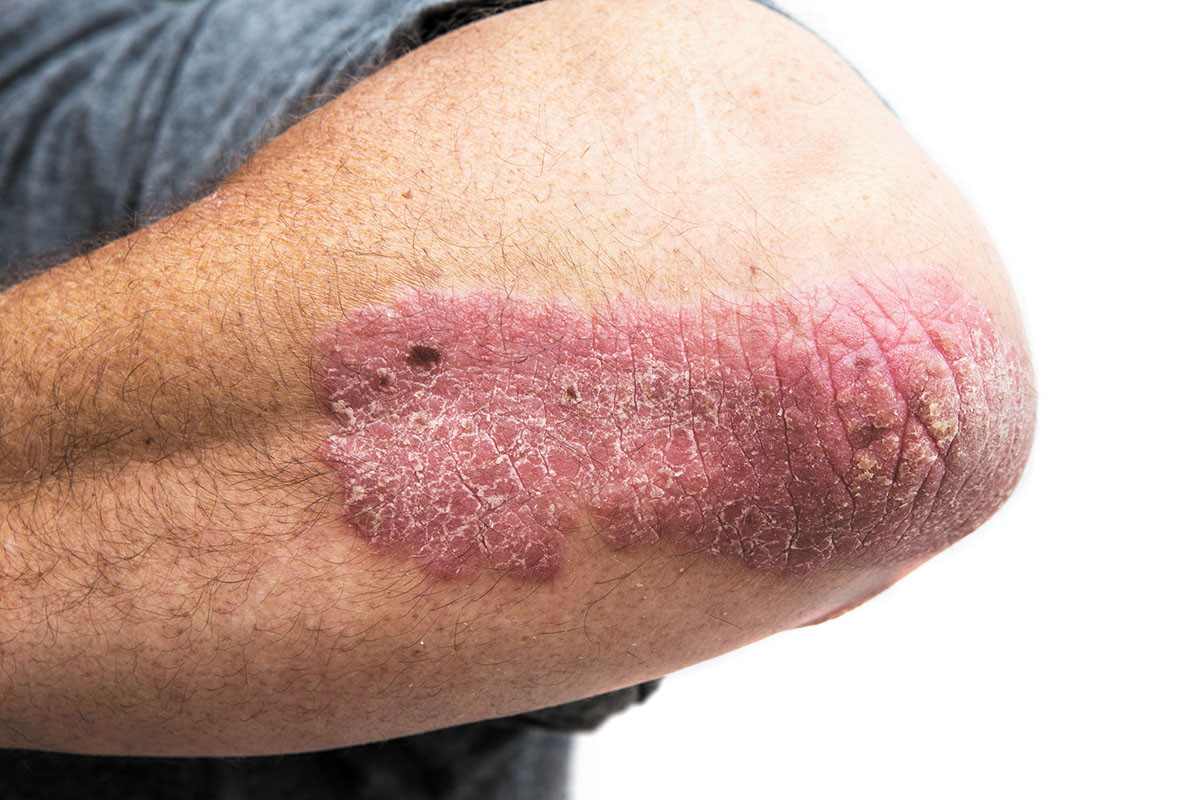
A deeper look at psoriasis
There are ways to shorten flare-ups and, in some people, prevent them from recurring.
Image: © JodiJacobson/Getty Images
Psoriasis is a big star on TV drug ads, but this autoimmune skin disease is something most people try to keep well hidden.
"Psoriasis is among the most common skin conditions, affecting about 2% of the U.S. population, and while the condition doesn't affect everyone the same way, the approach to treatment and prevention is often similar," says Dr. Gideon Smith, an assistant professor of dermatology at Harvard-affiliated Massachusetts General Hospital.

Is it safe for women to drink alcohol?
Ask the doctor
Image: © DragonImages/Getty Images
Q. The Harvard Health Letter has often said that it is generally healthy for women to have one alcoholic drink per day. Yet I hear a recent study showed no benefit. What's the truth?
A. Before answering your question, let's define "one drink": it's 12 ounces of beer, 5 ounces of wine, or 1.5 ounces of hard liquor. And it means having one drink each day of the week, not having seven drinks on Saturday night, sleeping it off Sunday, and begging off until next Saturday night. Now, despite the recent study, we stick with what we've said, which reflects the research of outstanding nutrition scientists at Harvard and elsewhere.

Is that brain fog really adult ADHD?
Sometimes attention deficit hyperactivity disorder is behind issues with memory and task completion.
Image: © monkeybusinessimages/Getty Images
You may be concerned about your memory if you notice that you're struggling to keep track of items you use each day, getting sidetracked when doing chores and other tasks, and tuning out during conversations. But it could be that you have attention deficit hyperactivity disorder (ADHD), a brain wiring difference once recognized only in children. In adults, ADHD often produces problems with memory and attention rather than hyperactivity.
"Two to three percent of people in their 60s or older have traits of ADHD that are impairing," says Dr. Craig Surman, a neuropsychiatrist and ADHD researcher at Harvard-affiliated Massachusetts General Hospital and co-author of the Harvard Health Publishing book FASTMINDS: How to Thrive If You Have ADHD (or think you might).

Are eating disorders just a teen problem?
Ask the doctors
Q. My sister, who is in her 50s, has always been very weight-conscious, but she recently went through a divorce and now seems unnaturally fixated on her weight and dieting. She's lost a substantial amount of weight. I've always thought of eating disorders as something that affects teenagers, but is it possible that she has one?
A. It is possible that your sister is suffering from an eating disorder, because they can affect people of any age, including older women, according to the American Psychiatric Association. They may be prompted by stress or a life change, such as a divorce. Signs that may indicate that a person has an eating disorder are



Even a little exercise linked with lower stroke risk in people with afib
Testosterone therapy without evidence of deficiency may boost heart risk
Weight-loss drug may lower risk of heart attacks and infections
What to eat on the DASH diet
Migraine: How it's diagnosed and what that means
Tricep workouts you can do at home
Mindfulness practices to reduce stress and improve focus
Antihistamines may not offer meaningful relief from eczema symptoms
Overweight and taking blood pressure medications: Study finds it's a trend that's working
FDA approves first mRNA-based flu vaccine
Free Healthbeat Signup
Get the latest in health news delivered to your inbox!
Sign Up
