

People who walk more or walk faster live longer, study finds

For sleep apnea, a dental device may be as effective as CPAP

Rosacea treatments: What works?

Carb cycling: What is it, and does it work?

Understanding orthorexia: Have your healthy eating goals gone too far?

Salmonella, E. coli, Cyclospora, and other germs that cause food poisoning: What you need to know

Melatonin or magnesium: Can either supplement help you sleep?

Naturally gluten-free foods

Shingrix shingles vaccine linked with lower heart disease risks

Harvard study: Healthier fats linked to longer life after prostate cancer diagnosis
Medications and treatments Archive
Articles

Is angioplasty plus stenting or coronary artery bypass surgery better for treating left main coronary artery disease?
People with disease of the left main coronary artery usually have the option of bypass surgery or angioplasty and placement of a stent. Two recent studies comparing these choices came to different conclusions about which is more effective.

Knee arthroscopy: Should this common knee surgery be performed less often?
There is already evidence that knee arthroscopy for osteoarthritis does not help most people. A study attempted to determine if the results would be better for people with osteoarthritis and a torn meniscus.

7 common causes of forgetfulness
Memory slips are aggravating, frustrating, and sometimes worrisome. When they happen more than they should, they can trigger fears of looming dementia or Alzheimer’s disease. But there are some treatable causes of forgetfulness.

Weight-loss surgery may lower risk of heart disease in people with diabetes
Most people with type 2 diabetes also have obesity. Weight-loss surgery has a positive impact on risk factors for heart disease, and a recent study found that this surgery significantly reduced the risk of death in people with obesity and diabetes.

Rethinking low-dose aspirin
New studies shed light on the role of aspirin for people without a previous heart attack or stroke.
Image: © dszc/Getty Images
It costs just pennies per pill, doesn't require a prescription, and may be lifesaving for some people. But daily low-dose aspirin doesn't make sense for everyone. Now, three major studies that examined the benefits and risks of this widely used drug may alter the advice about who should take aspirin.
"Aspirin remains a cornerstone of treatment after a heart attack or stroke. But the question of whether people with a low to moderate risk of heart disease should take aspirin is a really important one," says Dr. Christopher Cannon, a cardiologist at Brigham and Women's Hospital and professor of medicine at Harvard Medical School. Tens of millions of people in the United States fall into that low-to-moderate-risk category. But until now, there weren't many large trials that included those people, he notes.

What new opioid laws mean for pain relief
Dozens of states are cracking down on the amount of opioids doctors can prescribe.
Image: © Darwin Brandis/Getty Images
Overdoses of powerful painkillers called opioids kill more than 115 people per day in the United States. More than 42,000 people died from opioids in 2016, five times more than in 1999. The reason? Since several of these powerful painkillers became available in pill form several decades ago, doctors have been prescribing more than patients need. "It is estimated that a large part of leftover opioids are diverted to the street, either deliberately or through theft," says Dr. Edgar Ross, senior clinician at the Pain Management Center at Harvard-affiliated Brigham and Women's Hospital.
The misuse of opioids is a risk many states are no longer willing to take. The rules limit the amounts that medical professionals can prescribe for temporary (acute) pain from surgery, injury, or illness.

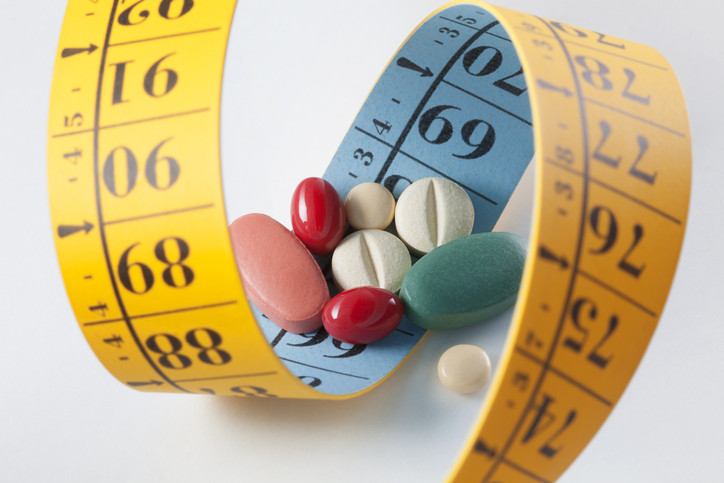
Weight-loss drug Belviq recalled
Findings from a follow-up on people taking the weight-loss medication Belviq showed a slight increase in the occurrence of cancers, resulting in the drug being withdrawn from the market at the request of the FDA.

What to do about the heartburn medication recall
Some drugs that contain ranitidine (best known as Zantac) have been found by the FDA to have unacceptable amounts of N-nitrosodimethylamine (NDMA), a possible cancer-causing chemical (which also triggered recalls of certain lots of the blood pressure drugs called angiotensin-receptor blockers).
On April 1, 2020, the FDA requested that all forms of ranitidine (Zantac, generic versions), including prescription and over-the-counter products, be removed from the market. They may contain unacceptable levels of a potential cancer-causing substance known as NDMA, or N-Nitrosodimethylamine. In some samples tested by the FDA, the impurity appears to increase over time, especially when stored at higher temperatures. So far, tests of other acid blockers do not show this potential increased cancer risk.

Older adults and medical marijuana: Reduced stigma and increased use
Cannabis use among older adults has been steadily increasing, due to lessening stigma and increased interest in using medical marijuana. But there are specific concerns for older people, so anyone considering this option should have a conversation with their doctor weighing the benefits and risks.
People who walk more or walk faster live longer, study finds
For sleep apnea, a dental device may be as effective as CPAP
Rosacea treatments: What works?
Carb cycling: What is it, and does it work?
Understanding orthorexia: Have your healthy eating goals gone too far?
Salmonella, E. coli, Cyclospora, and other germs that cause food poisoning: What you need to know
Melatonin or magnesium: Can either supplement help you sleep?
Naturally gluten-free foods
Shingrix shingles vaccine linked with lower heart disease risks
Harvard study: Healthier fats linked to longer life after prostate cancer diagnosis
Free Healthbeat Signup
Get the latest in health news delivered to your inbox!
Sign Up
