

People who walk more or walk faster live longer, study finds

For sleep apnea, a dental device may be as effective as CPAP

Rosacea treatments: What works?

Carb cycling: What is it, and does it work?

Understanding orthorexia: Have your healthy eating goals gone too far?

Salmonella, E. coli, Cyclospora, and other germs that cause food poisoning: What you need to know

Melatonin or magnesium: Can either supplement help you sleep?

Naturally gluten-free foods

Shingrix shingles vaccine linked with lower heart disease risks

Harvard study: Healthier fats linked to longer life after prostate cancer diagnosis
Medications and treatments Archive
Articles

How do doctors evaluate treatments for heart disease?
Studies of drugs, diets, and devices all come with their own unique set of challenges.
The best way to know if a new medical treatment truly works is with a randomized controlled trial — the "gold standard" of research studies, also known simply as a clinical trial. Volunteers are randomly assigned to receive either the new treatment or the comparison, which may be a placebo (an inactive therapy) or a treatment that's already available.
As the nation's top cause of death, cardiovascular disease has been at the leading edge of evidence generation, says Dr. Robert Yeh, director of the Smith Center for Outcomes Research in Cardiology at Harvard-affiliated Beth Israel Deaconess Medical Center. "We probably have more evidence for cardiovascular treatments than for any other field of medicine," he says. Among the studies with the greatest impact were the clinical trials that heralded new therapies to treat heart attacks. These include clot-dissolving drugs in the 1980s, followed in the 1990s by artery-opening angioplasty procedures, which remain the standard of care today. Stents, the tiny mesh tubes used in these procedures, have also been extensively studied in clinical trials (see "Testing devices: Different dilemmas").


Too many pain pills after surgery: When good intentions go awry
A reasonable and well-intentioned effort to reduce and relieve pain can inadvertently lead to a potentially life-threatening addiction, but there are some surprisingly simple ways to avoid such scenarios.

Will there be a COVID-19 vaccine?
Ask the doctor
Q. Will we have a vaccine to prevent COVID-19 and, if so, when?
A. I'm optimistic because never in human history has so much scientific time and effort been spent trying to make a vaccine. But it won't it be easy. As fast as possible, the vaccine scientists need to prove, first, that a vaccine is safe (minimal side effects) and, second, that it works to reduce a person's risk of getting the disease. Then they need to produce enough of it to immunize most of the 7.6 billion people on earth. Doing all of this within two to three years of a new virus being discovered would be an unprecedented achievement.
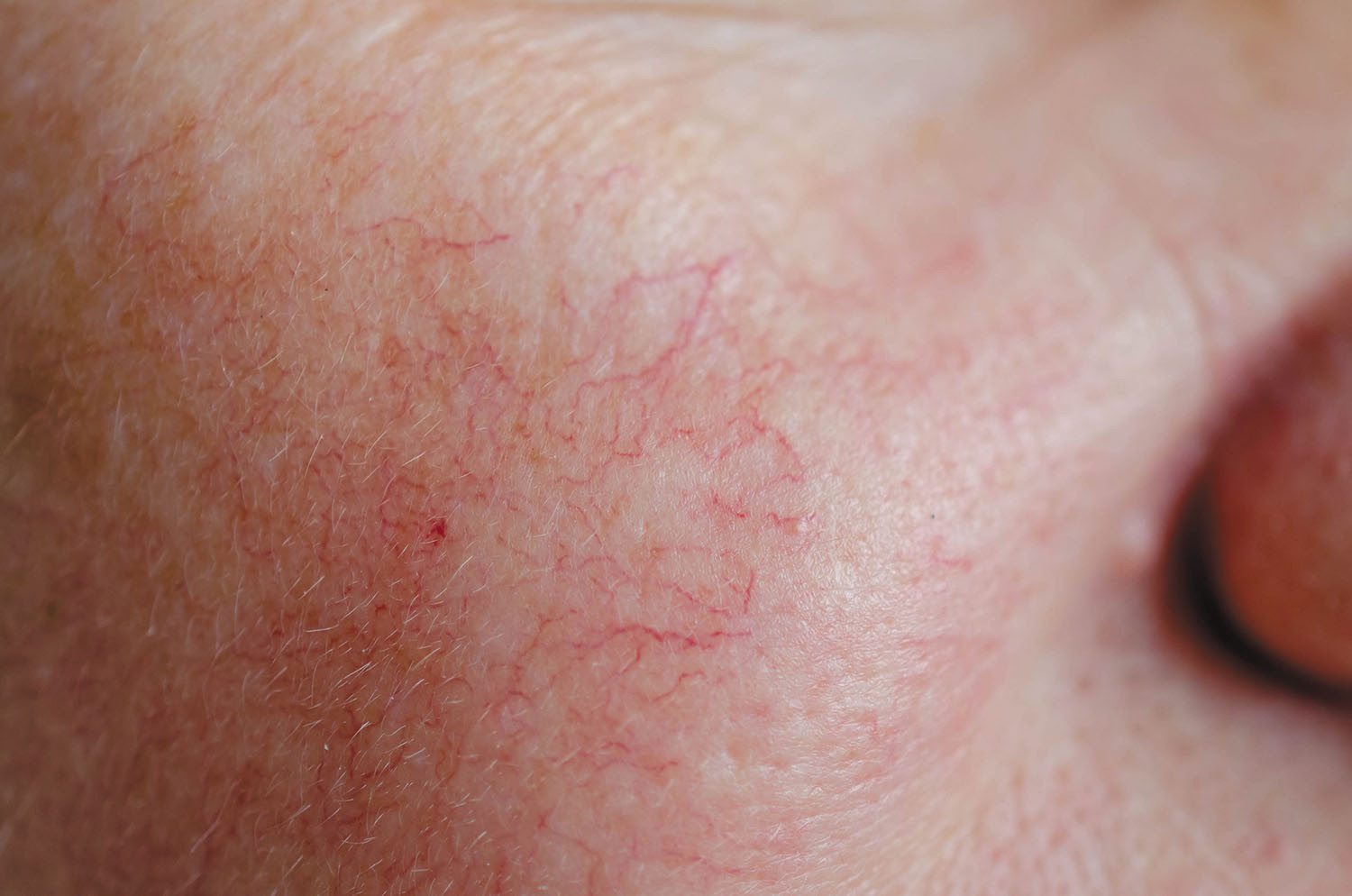
Rosacea can flare at menopause
Tips to help you treat this common skin condition.
You thought you left acne behind you in your teen years, but here you are at midlife with a breakout. But it might not be what you think. Rosacea is often mistaken for acne, and the condition, which most often begins after age 30, sometimes flares at menopause, says Dr. Suzanne Olbricht, an associate professor of dermatology at Harvard Medical School.
A common skin condition affecting some 16 million Americans, rosacea most often develops in people with fair skin who blush easily. Rosacea is sometimes mistaken for sunburn, a naturally ruddy complexion, or even an allergic reaction. It produces a number of skin problems, including

5 Internet recommendations for joint pain: Do they work?
Some ideas seem reasonable, but that doesn't mean they'll help.
People increasingly consult the Internet about medical problems. If you're looking for approaches to relieve joint pain and inflammation caused by wear and tear (osteoarthritis) or an immune system attack (such as occurs in rheumatoid arthritis), you may find methods that sound promising and even sensible. But will they work? Here's advice on five pain relief methods commonly touted on the Internet.
1. Music therapy
Listening to music can evoke powerful emotions that help people relax or heal, which is the basis of music therapy. Research has found that music therapy is associated with less anxiety before surgery or during chemotherapy, and better functioning during physical rehabilitation.

Is it time to consider using medical marijuana?
The stigma is fading, but learn the pros and cons before trying it.
Despite the hype and popularity of medical marijuana, you may not be sure if it's something to consider. You're right to be cautious; the use of marijuana to treat health problems is still being studied, and we don't have all the answers about its risks and benefits.
We do know that medical marijuana use among older adults is increasing. "Older adults tend to use it for physical ailments. No. 1 is chronic pain. Insomnia is another big one, too. Older people have a hard time sleeping, and there aren't a lot of other safe options," says Dr. Peter Grinspoon, a primary care physician with Harvard-affiliated Massachusetts General Hospital.

How do I measure exercise intensity?
On call
Q. Exercise guidelines recommend a certain number of hours per week, depending on whether it's moderate or vigorous intensity. So how do I measure exercise intensity?
A. Outside of a physiology laboratory, there really is no standard agreement on how people should gauge their level of exercise intensity.

How to recover from post-traumatic stress disorder
Normally associated with veterans, PTSD can also affect people of all ages who have experienced any kind of trauma.
Post-traumatic stress disorder (PTSD) is a severe and potentially debilitating mental health disorder that affects people who have experienced or witnessed a traumatic event. PTSD often occurs in combat veterans, but it can also strike older adults, and especially men.
About 70% of older men have been exposed to trauma at some point in life, according to the U.S. Department of Veterans Affairs. Many of these traumatic events are accidents (or near misses), injuries, or serious health issues.
People who walk more or walk faster live longer, study finds
For sleep apnea, a dental device may be as effective as CPAP
Rosacea treatments: What works?
Carb cycling: What is it, and does it work?
Understanding orthorexia: Have your healthy eating goals gone too far?
Salmonella, E. coli, Cyclospora, and other germs that cause food poisoning: What you need to know
Melatonin or magnesium: Can either supplement help you sleep?
Naturally gluten-free foods
Shingrix shingles vaccine linked with lower heart disease risks
Harvard study: Healthier fats linked to longer life after prostate cancer diagnosis
Free Healthbeat Signup
Get the latest in health news delivered to your inbox!
Sign Up
