

People who walk more or walk faster live longer, study finds

For sleep apnea, a dental device may be as effective as CPAP

Rosacea treatments: What works?

Carb cycling: What is it, and does it work?

Understanding orthorexia: Have your healthy eating goals gone too far?

Salmonella, E. coli, Cyclospora, and other germs that cause food poisoning: What you need to know

Melatonin or magnesium: Can either supplement help you sleep?

Naturally gluten-free foods

Shingrix shingles vaccine linked with lower heart disease risks

Harvard study: Healthier fats linked to longer life after prostate cancer diagnosis
Medications and treatments Archive
Articles

Do statins increase the risk of dementia?

Stuck in a brain fog? Look in your medicine cabinet

Looking past blood pressure numbers

Better blood sugar tracking: A benefit for heart health?
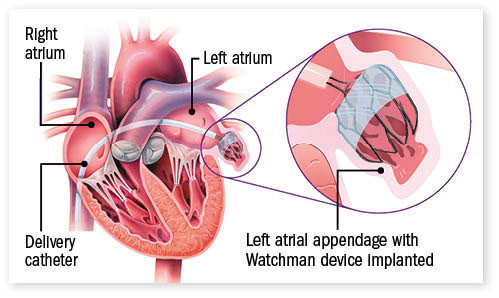
Stroke prevention in atrial fibrillation: Beyond anti-clotting drugs

Can medication help us combat Alzheimer’s disease?
Aducanumab is a newly approved drug for Alzheimer’s disease with the potential to reduce amyloid-beta plaque buildup in the brain. There are other medications being studied to see if they can reduce amyloid-beta, such as a monoclonal antibody that targets amyloid-beta before it forms plaques, and a monoclonal antibody that takes aim at plaque that has already formed. Other experimental approaches try to prevent tau tangles in brain cells, reduce brain inflammation, or reduce the amount of amyloid-beta that is produced.

Poverty, homelessness, and social stigma make addiction more deadly
Addiction can affect anyone, but social determinants of health — the factors that influence a person's circumstances in life — can have a negative impact on a person's efforts to overcome addiction. Poverty, employment status, education level, and systemic racism can make it harder for people to reach and maintain recovery.

Cardiovascular safety from prostate cancer drugs remains uncertain
Worldwide, over one million men are diagnosed with prostate cancer every year, and half will be given androgen deprivation therapy at some point. Whether certain types of this therapy are safer for the heart than others is an important question that is being studied, but the results from the first such trial were inconclusive and disappointing.

A new treatment for obesity
A new medication for the treatment of obesity has been approved by the FDA, and it received significant media attention in the months leading up to its approval. A high-dose injectable hormone, it already existed in a different form as a treatment for type 2 diabetes, but in this form and dosage it has advantages over other available weight-loss medications, as well as its own potential risks.

Statins have no apparent link to cognitive problems or dementia
People who walk more or walk faster live longer, study finds
For sleep apnea, a dental device may be as effective as CPAP
Rosacea treatments: What works?
Carb cycling: What is it, and does it work?
Understanding orthorexia: Have your healthy eating goals gone too far?
Salmonella, E. coli, Cyclospora, and other germs that cause food poisoning: What you need to know
Melatonin or magnesium: Can either supplement help you sleep?
Naturally gluten-free foods
Shingrix shingles vaccine linked with lower heart disease risks
Harvard study: Healthier fats linked to longer life after prostate cancer diagnosis
Free Healthbeat Signup
Get the latest in health news delivered to your inbox!
Sign Up
