

People who walk more or walk faster live longer, study finds

For sleep apnea, a dental device may be as effective as CPAP

Rosacea treatments: What works?

Carb cycling: What is it, and does it work?

Understanding orthorexia: Have your healthy eating goals gone too far?

Salmonella, E. coli, Cyclospora, and other germs that cause food poisoning: What you need to know

Melatonin or magnesium: Can either supplement help you sleep?

Naturally gluten-free foods

Shingrix shingles vaccine linked with lower heart disease risks

Harvard study: Healthier fats linked to longer life after prostate cancer diagnosis
Medications and treatments Archive
Articles
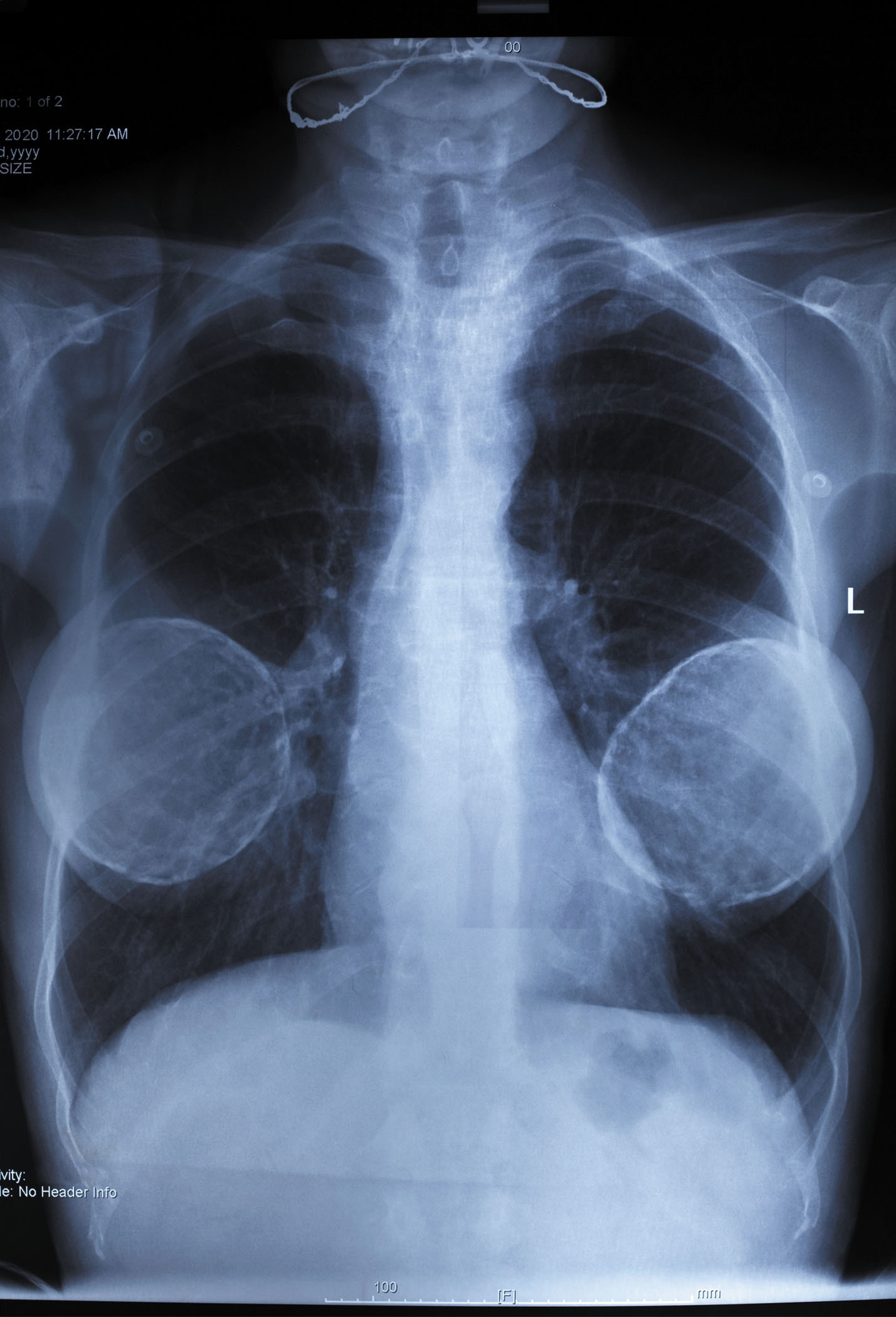
FDA wants women to understand the risks and benefits related to breast implants
The FDA recently moved to help make certain that women considering breast implants have a clear picture of what implants involve before moving ahead with surgery. The agency announced a series of changes in October 2021. These include new labeling requirements for breast implant manufacturers, a requirement that facilities provide patients with a checklist outlining potential risks and benefits related to breast implants, and updated screening recommendations to detect leaks in silicone breast implants.

Can my phone and other devices interfere with my pacemaker?
Certain devices that use magnetic chargers may interfere with cardiac devices such as pacemakers. A doctor should advise people on which ones to avoid or to use caution when operating.

Low heart rate warnings via smart watch
When a smart watch alert suggests that person's heart rate is below 40 beats per minute, it could be an error, especially if no symptoms are present. But it could signal a heart problem called bradycardia that has many possible causes.

How stimulants may affect your heart
Stimulant medications, which are usually prescribed to treat attention deficit disorder in children, are being prescribed increasingly to older adults. These drugs may cause a short-term spike in the risk of heart-related problems, including heart attacks, strokes, and arrhythmias. Dietary supplements that promise weight loss or better physical or mental performance may contain prohibited, unlisted, and potentially dangerous stimulants.

The rising tide of dementia and the need for nondrug therapies

Treatment with abiraterone significantly improves survival in advanced prostate cancer
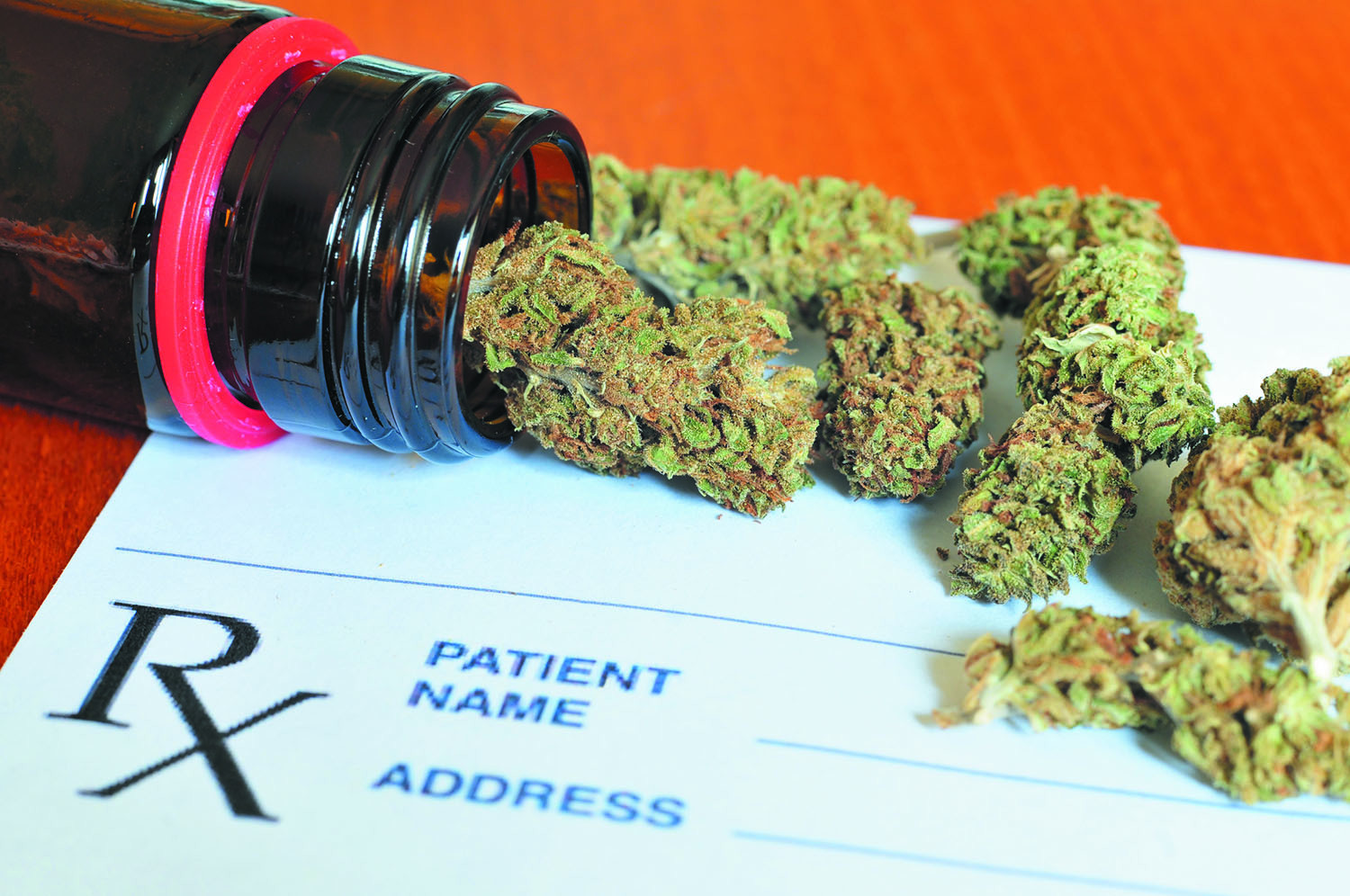
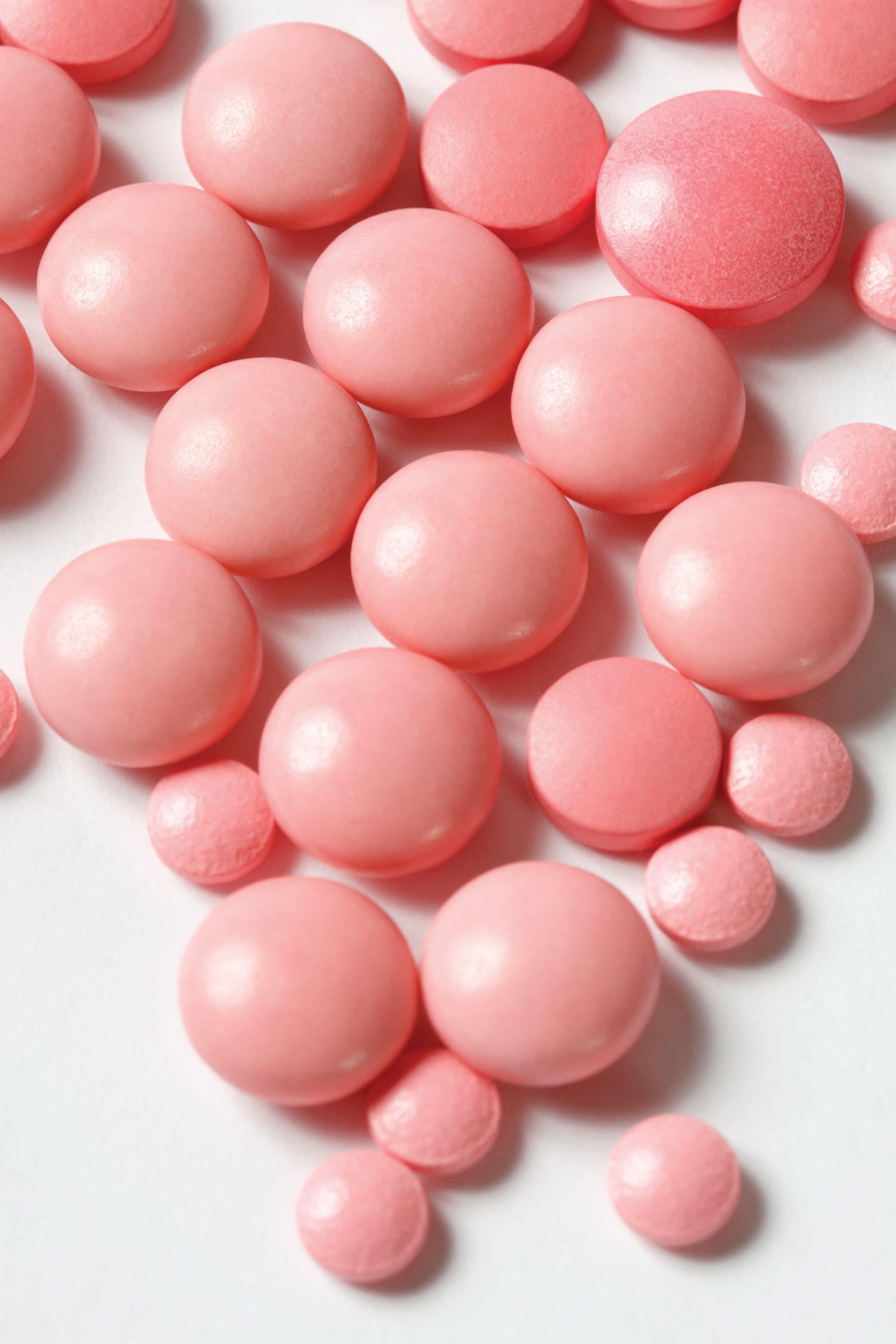
Are bioidentical hormones superior to hormone medications?
Bioidentical hormone preparations aren't superior to FDA-approved hormone medications and may bring additional risks.

Don't fail your heart health
The most common type of heart failure in older adults is heart failure with preserved ejection fraction. This is caused by the heart's left ventricle not being able to relax, which means less blood enters the chamber, so less gets pumped out. Prevention and treatments continue to evolve, but include controlling blood pressure, addressing weight gain with exercise and diet, not smoking, and curbing alcohol intake.

Low-dose aspirin: Little benefit for people without prior heart attack
A draft guideline from a national panel of experts recommends that people without heart disease who are 60 and older should not take low-dose aspirin to prevent a heart attack or stroke.
People who walk more or walk faster live longer, study finds
For sleep apnea, a dental device may be as effective as CPAP
Rosacea treatments: What works?
Carb cycling: What is it, and does it work?
Understanding orthorexia: Have your healthy eating goals gone too far?
Salmonella, E. coli, Cyclospora, and other germs that cause food poisoning: What you need to know
Melatonin or magnesium: Can either supplement help you sleep?
Naturally gluten-free foods
Shingrix shingles vaccine linked with lower heart disease risks
Harvard study: Healthier fats linked to longer life after prostate cancer diagnosis
Free Healthbeat Signup
Get the latest in health news delivered to your inbox!
Sign Up
