

CoQ10: Should you take this popular supplement if you're on a statin?

Microplastics: A hidden health threat?

Oat vs. dairy milk: Nutrition, benefits, and downsides

What is tempeh? Benefits, nutrition, and how to use it

Healing after food poisoning

Children of centenarians may stay healthier and live longer too, study finds

Light exposure at night may raise risk for heart disease

A lumbar belt may help ease low back pain

Whole grains may improve several heart risk factors at once

Signs of pneumonia: Sometimes vague and unexpected
Knees Archive
Articles

Give grip strength a hand
Your ability to grab, hold, twist , and squeeze is essential for many everyday functions.
Image: JannHuizenga/Thinkstock
Think how much you rely on a strong grip every day. It helps you open cans, grip a golf club, hold a steering wheel, brush your teeth, and pick up a grandchild. "The ability to stay active and independent often begins with our hands," says Maria Cole, a physical therapist with Harvard-affiliated Spaulding Outpatient Center. "Weak grip strength can limit your enjoyment of many life pleasures, so you need to ensure your hand and grip strength always are up to the task."
A measure of health
A grip on mobility
Grip strength also may predict your future loss of mobility. A May 2014 study in The Journal of Gerontology Series A: Biological Sciences and Medical Sciences analyzed data from more than 20,000 adults ages 65 and older to evaluate the link between weak grip strength and lack of mobility, in this case slow walking speed.
Among the men in the group, those with a weak grip—less than 26 kg using a dynamometer—were seven times more likely to be facing mobility issues compared with men who had normal grip strength.
You can take steps to improve grip strength and possibly avoid problems down the road. "You need to exercise your hands and wrists just like every other part of your body to keep them strong and supple," says Cole.
Exercise your hands

Can the right shoes relieve knee pain?
It appears that “unloading” shoes are no better at reducing pain or improving function than a good pair of walking shoes, according to a study published online July 12, 2016, by Annals of Internal Medicine.


Unlocking solutions to chronic knee pain
These options may help you find relief from constant discomfort.
Image: Remains/Thinkstock
Knee pain is one of the top reasons men visit their doctor. While the pain and soreness often can go away with rest, ice, and over-the-counter pain medications, if it becomes too severe or fails to abate in a timely manner, you may need to take further action.
"If your knee pain is not a result of some kind of structural or mechanical issue that requires surgery, or due to osteoarthritis, there are other options that may help eliminate or better control the pain," says Dr. Lars Richardson, a sports medicine orthopedic surgeon with Harvard-affiliated Massachusetts General Hospital.

Help for your hands
A few simple exercises can preserve the strength and flexibility of your hands and wrists.
Image: Thinkstock
There's a reason that "having a good grip on the situation" is used as a metaphor for mastery. In physiological testing, grip strength is one of the indicators of health and vitality. Yet, although we may exercise to strengthen our cores and limbs, most of us don't make an effort to strengthen our forearms and our hands. "We use our hands continually, but we don't take the time to deliberately exercise them," says Joanne P. Bosch, a physical therapist and certified hand therapist at Harvard-affiliated Brigham and Women's Hospital.
That said, it's not a good idea to rush out and buy a device promoted for building a "crushing hand grip" or to start squeezing a tennis ball. "Doing the wrong exercise can actually exacerbate some problems, particularly carpal tunnel syndrome," Bosch says.

What Michelangelo’s hands (can and can’t) tell us about arthritis
A recent journal article describes Michelangelo’s hands as depicted in an attempt to figure out potential joint diseases he may have had. Theories suggest some myths and misconceptions about the causes and symptoms of osteoarthritis and gout. This report has implications for today’s medical care. While a picture may tell a story, there is nothing like a thorough, in person exam to know accurately make sense of signs and symptoms.

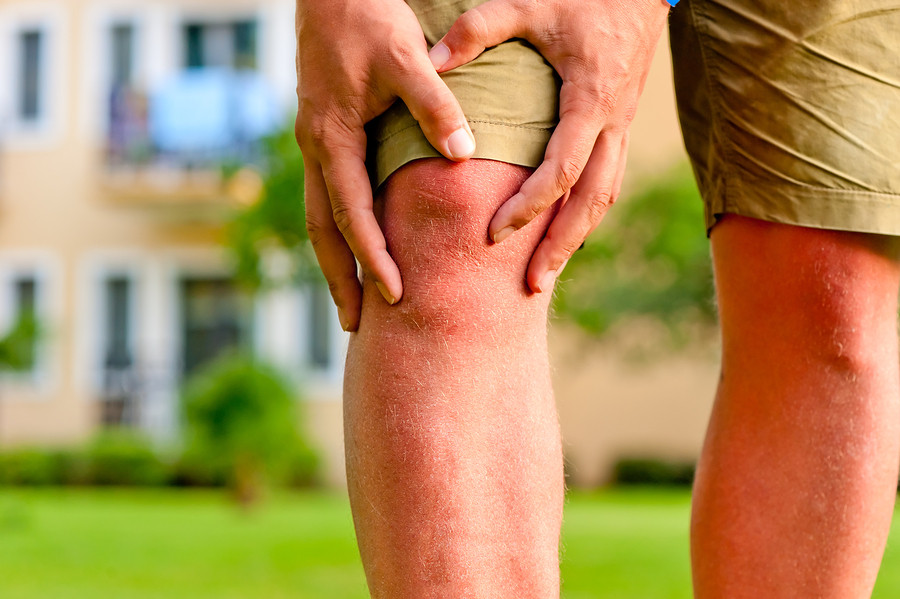
Joint pain...is it osteoarthritis?
Your knee aches from time to time. Or maybe your fingers don't seem as nimble as they used to be. Could it be osteoarthritis?
Osteoarthritis, the most common form of arthritis, develops when cartilage, the flexible tissue lining the joints, deteriorates. As a result, the space between bones gradually narrows and the bone surfaces change shape. Over time, this leads to joint damage and pain.


Does double knee surgery make sense for you?
The idea of having a knee replaced is daunting. But what if both of your knees need repairing? Is one visit to the operating room better than two?
If you are otherwise in good health, it's a conversation worth having with your doctor and rehabilitation team. There are some benefits to replacing both joints during a single surgery (called simultaneous replacement). These include undergoing anesthesia only once, fewer days in the hospital, and only one (albeit prolonged) rehabilitation that lets you resume normal activities sooner than two separate ones.
CoQ10: Should you take this popular supplement if you're on a statin?
Microplastics: A hidden health threat?
Oat vs. dairy milk: Nutrition, benefits, and downsides
What is tempeh? Benefits, nutrition, and how to use it
Healing after food poisoning
Children of centenarians may stay healthier and live longer too, study finds
Light exposure at night may raise risk for heart disease
A lumbar belt may help ease low back pain
Whole grains may improve several heart risk factors at once
Signs of pneumonia: Sometimes vague and unexpected
Free Healthbeat Signup
Get the latest in health news delivered to your inbox!
Sign Up
