

CoQ10: Should you take this popular supplement if you're on a statin?

Microplastics: A hidden health threat?

Oat vs. dairy milk: Nutrition, benefits, and downsides

What is tempeh? Benefits, nutrition, and how to use it

Healing after food poisoning

Children of centenarians may stay healthier and live longer too, study finds

Light exposure at night may raise risk for heart disease

A lumbar belt may help ease low back pain

Whole grains may improve several heart risk factors at once

Signs of pneumonia: Sometimes vague and unexpected
Knees Archive
Articles
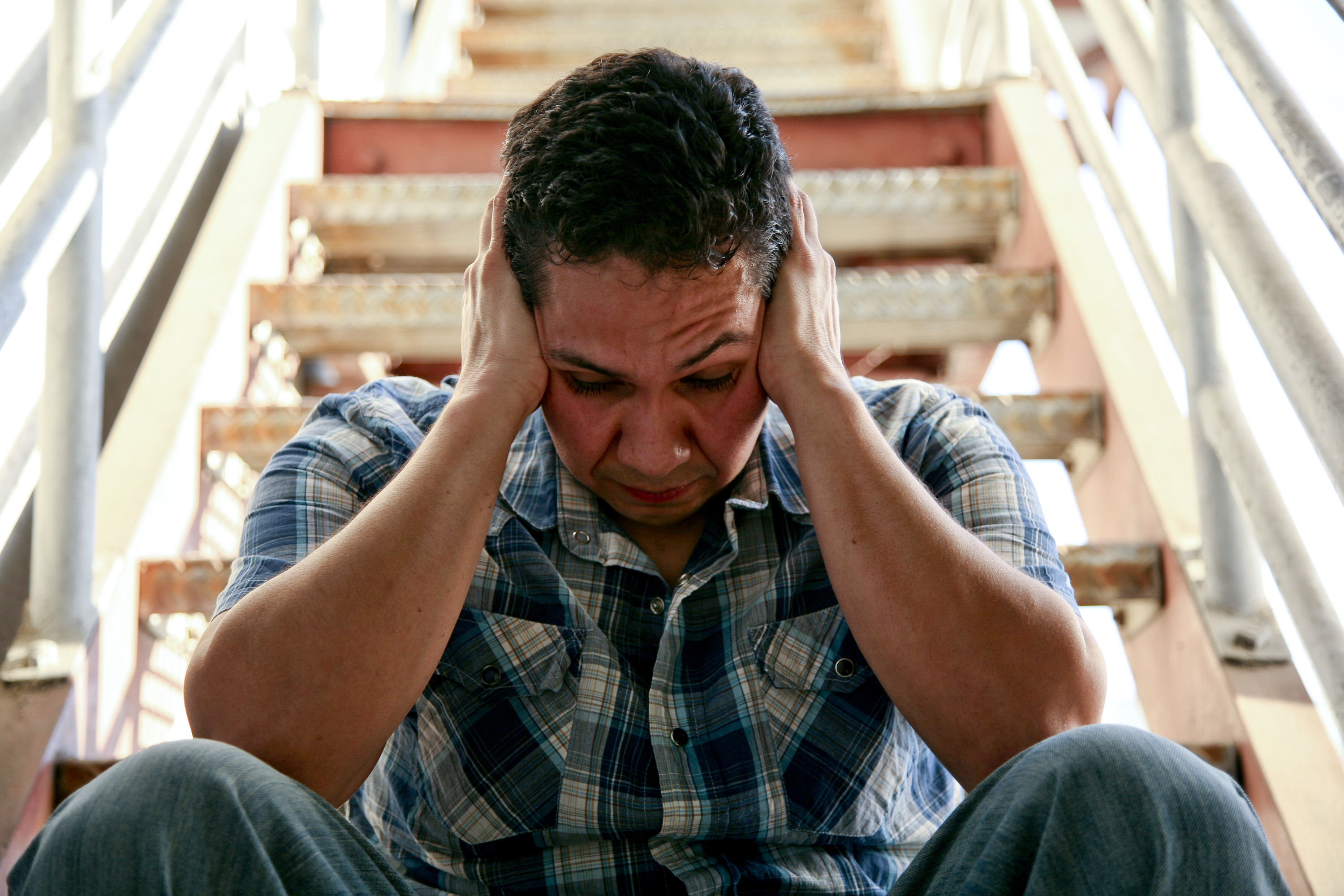
Can depression worsen RA symptoms or make treatment less effective?
Depression is fairly common among people suffering with rheumatoid arthritis (RA). Recent research suggests that depression may worsen RA symptoms and even make medications less effective. To date, the studies that indicate a connection between the severity of RA symptoms and depression have not been conclusive, so more research is needed. In the meantime, if you have RA and notice signs of depression, be sure to talk with your doctor.

Sidestepping big-toe woes
Wearing high heels with pointed toes is a major cause of bunions. |
For many women, bunions and rigidity are two of the most common—and painful—problems with the big toe. Both are easily treated.
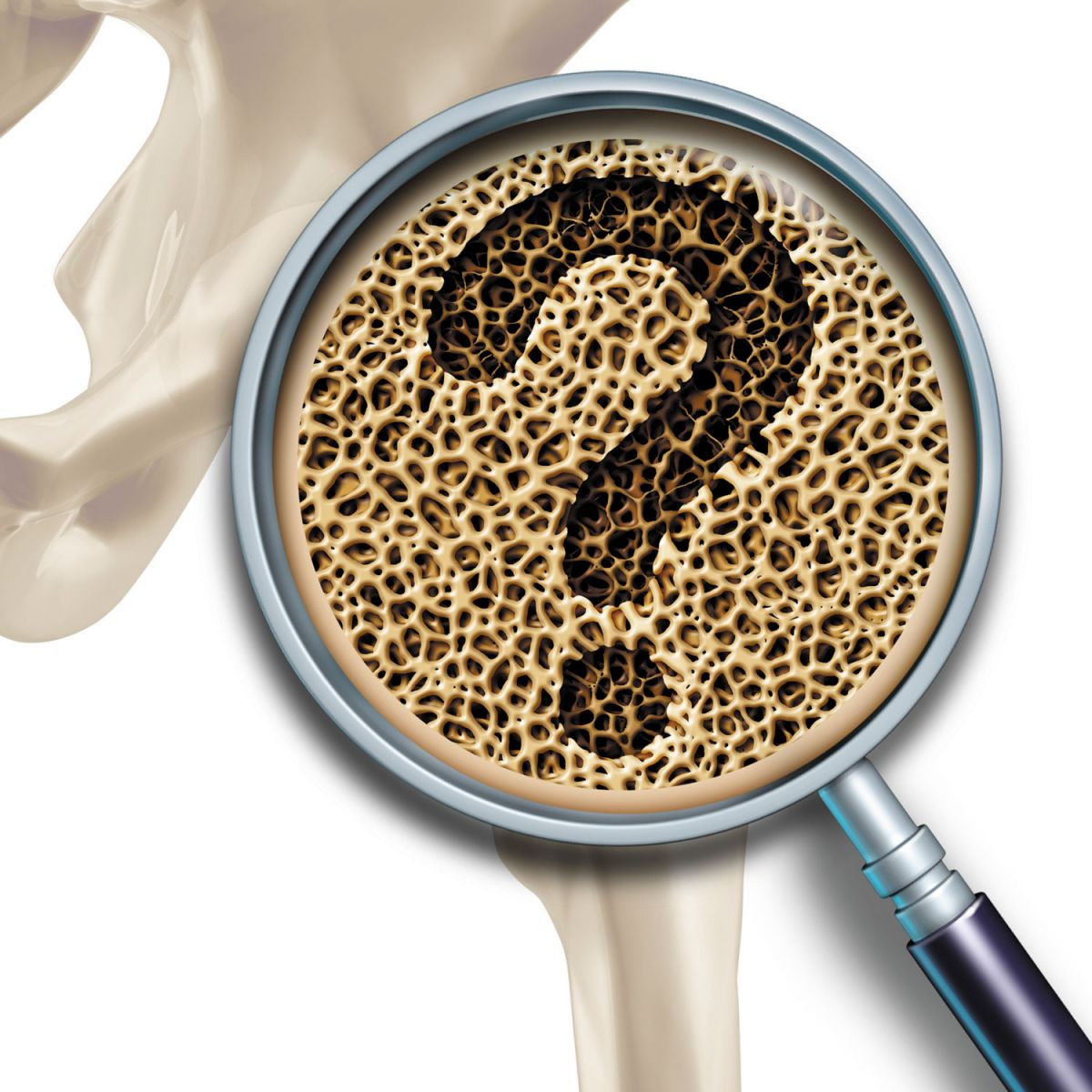
Should you be tested for weak bones?
| Image: Thinkstock |
Men also get osteoporosis—but consider your risk factors before deciding to have a bone-strength test.
Men's and women's bodies differ in plenty of ways, but we all have bones, and with aging they may lose some of their strength and leave us more vulnerable to dangerous fractures of the hip or spine. Osteoporosis is not exclusively a women's health issue.

Injections don't improve physical therapy for knees
Physical therapy is helpful for wear-and-tear knee osteoarthritis, especially if you start doing it early. But injecting a painful knee with an anti-inflammatory steroid medication before starting physical therapy offers no additional benefit, according to a clinical trial in JAMA Internal Medicine.
Studies have shown that physical therapy modestly reduces pain and improves daily functioning in people with knee osteoarthritis. That could mean being able to walk farther with less pain or to continue leisure activities such as gardening. Before you start physical therapy, your doctor may offer to inject the knee with a cocktail of anti-inflammatory steroid medication and an anesthetic. Hypothetically, this could make it easier for you to stick with exercise and therefore lead to better results.
When do you need a new knee?
Intolerable pain or disability can signal that it's time to consider a knee replacement. Image: Thinkstock |
Knee replacements can restore your mobility, but you don't want to get one too soon—or wait too long.

Insomnia therapy helps reduce knee pain
Painful knees and sleeplessness often go hand in hand, but a form of counseling called cognitive behavioral therapy (CBT) can help with both problems, according to a study in Arthritis and Rheumatology.
The study involved 100 people ages 50 to 70 with wear-and-tear arthritis (osteoarthritis) in the knee as well as insomnia. They were chosen at random for either eight sessions of CBT or a comparison treatment, called desensitization therapy, known not to be very effective for insomnia.
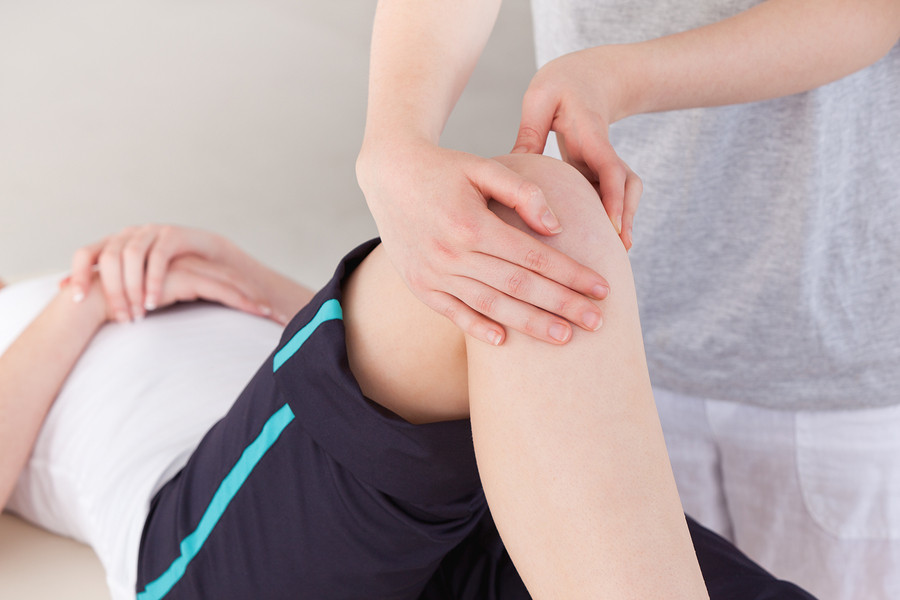
Can you put off that knee surgery?
Don't assume surgery is necessary if knee pain sidelines you. Physical therapy may be all it takes. Image: iStock |
Physical therapy and weight loss can relieve knee pain and protect your mobility.

Grip strength may provide clues to heart health
A strong or weak hand grip carries more than just social cues. It may also help measure an individual’s risk for having a heart attack or stroke, or dying from cardiovascular disease. As part of the international Prospective Urban and Rural Epidemiological (PURE) study, researchers measured grip strength in nearly 140,000 adults in 17 countries and followed their health for an average of four years. Each 11-pound decrease in grip strength over the course of the study was linked to a 16% higher risk of dying from any cause, a 17% higher risk of dying from heart disease, a 9% higher risk of stroke, and a 7% higher risk of heart attack. Interestingly, grip strength was a better predictor of death or cardiovascular disease than blood pressure. What’s the connection? It’s possible that grip strength measures biological age.

Shoulder pain? Here's what you can do to treat it and prevent it
A few simple measures can protect your most flexible joint and put it back in service after overuse or injury.
All you need to do is rotate your arm to realize what a marvel your shoulder is. It's the body's most flexible joint and one of the most essential. Whether you're reaching the top shelf, swinging a golf club, or washing your hair, "it's the one joint you can't stop using," says Karen Weber, a physical therapist at Harvard-affiliated Spaulding Rehabilitation Network. "We do a lot of repetitive motions with our arms. When our shoulder muscles aren't strong, we can set ourselves up for injury," Weber says.

Osteoarthritis relief without more pills
It's possible to ease arthritis pain and stiffness without medication, but it takes some work. |
Here are some steps you can take to reduce your reliance on medication to control symptoms and stay functional.
CoQ10: Should you take this popular supplement if you're on a statin?
Microplastics: A hidden health threat?
Oat vs. dairy milk: Nutrition, benefits, and downsides
What is tempeh? Benefits, nutrition, and how to use it
Healing after food poisoning
Children of centenarians may stay healthier and live longer too, study finds
Light exposure at night may raise risk for heart disease
A lumbar belt may help ease low back pain
Whole grains may improve several heart risk factors at once
Signs of pneumonia: Sometimes vague and unexpected
Free Healthbeat Signup
Get the latest in health news delivered to your inbox!
Sign Up
