

Naturally gluten-free foods

Harvard study: Healthier fats linked to longer life after prostate cancer diagnosis

Shingrix shingles vaccine linked with lower heart disease risks

Estrogen-only hormone therapy tied to lower dementia risk

Should you have a hysterectomy?

Stair climbing may significantly lower cardiovascular risks

Why do I sweat so much?

Walking pneumonia: The "mild" illness that can still pack a punch

What causes knee pain: How doctors make a diagnosis

Where you carry excess weight matters in predicting heart disease risk
Injuries Archive
Articles

Why women take the fall
Falls are the leading cause of injuries and accidental deaths among Americans 65 and older. Women fall more often than men and are far more likely to show up at an emergency room because of a fall. Women are especially vulnerable to falling due to weaker bones, lower muscle mass, higher rates of incontinence and antidepressant use, and a tendency to multitask. People can reduce their fall risk by doing strength and balance exercises, getting regular vision and hearing exams, reviewing their medications, and keeping floors clutter-free.

Top 3 strategies to avoid ankle sprains
Three strategies can help keep the ankles strong, flexible, and healthy: strengthening the calf muscles with exercises such as calf raises; strengthening muscles that allow side movement of the ankle; and stretching the muscles in both the upper and lower part of the calves. It also helps to understand how the joint works and what factors can lead to a strain, such as an overstretched ligament on the side of the ankle.

Do I have a pinched nerve?
A pulled muscle sometimes feels similar to a pinched nerve. But muscle pain is usually dull and doesn't radiate outward, while pinched nerve pain is sharp and burning and extends from one area to another. Pinched nerves can stem from pregnancy, arthritis, or injuries.
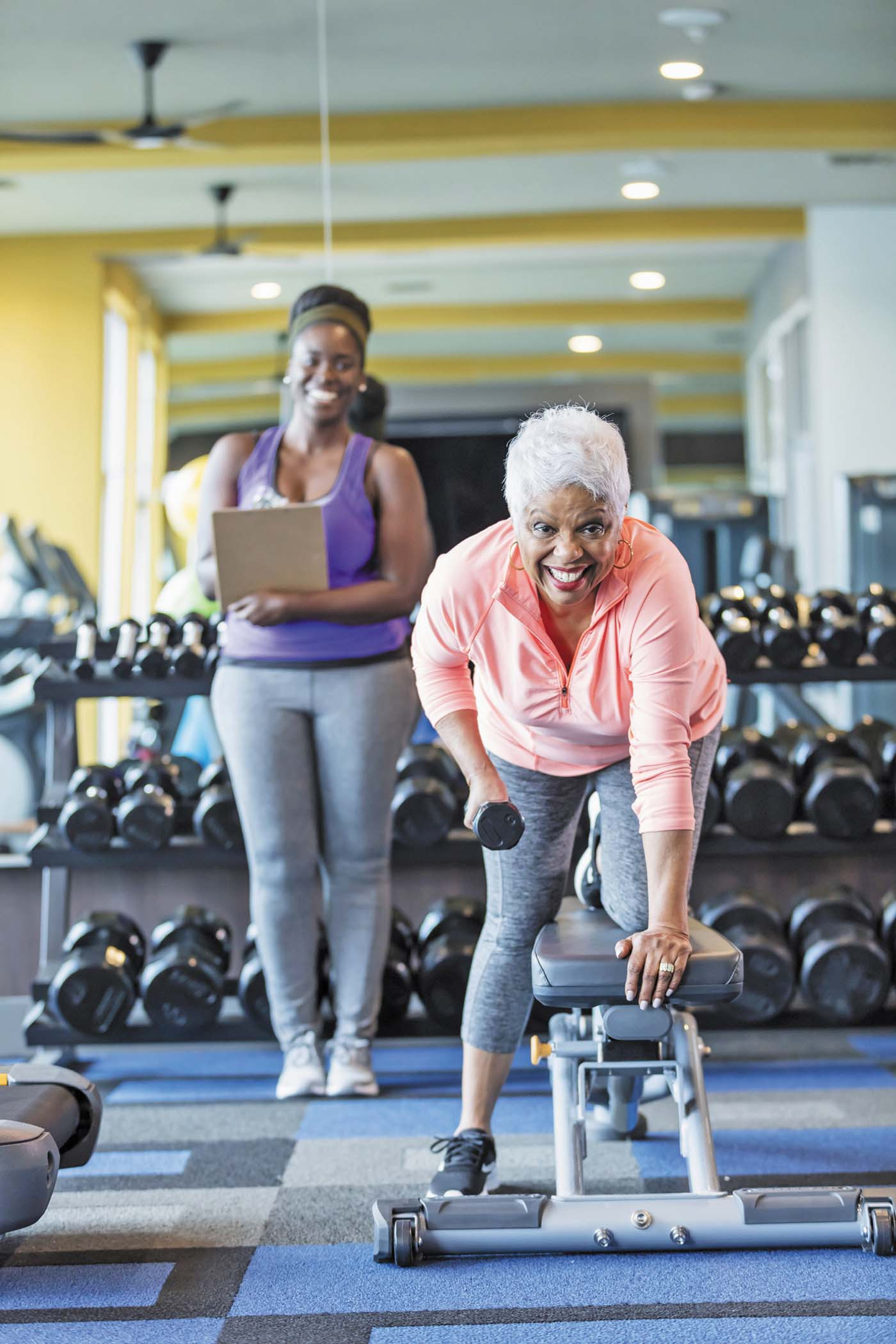
7 things your personal trainer wants you to know
It takes more than a weekly session with a personal trainer to maximize exercise benefits. Personal trainers recommend that people exercise in between training sessions; do strength training at the beginning of a workout; alternate the muscle groups that get a workout; challenge each muscle group with a variety of exercises; stretch regularly; eat a healthy diet to fuel the body; and exercise purposefully, with a strategic approach that moves them closer to their exercise goals.

Holiday joy can bring painful joint inflammation
Drinking excessive amounts of alcohol and feasting on foods high in natural compounds called purines may trigger gout in some people. Purine-rich foods that might be found on a holiday buffet include roast beef, brisket, lamb or pork chops, veal, chicken liver, turkey, trout, haddock, scallops, oysters, mussels, lobster, shrimp, or crab. While it's not necessary to completely shun alcohol and foods high in purines, doctors advise limiting them and sticking to a plant-based diet when possible, even during the holidays.

Why are my heels cracked?
Cracks in the heels occur when the skin on the bottom of the heel becomes hard and parched. Applying thick moisturizers often helps. If it doesn't, other causes may include athlete's foot, hypothyroidism, Sjogren's syndrome, or bone spurs in the heels.


Why do I have white spots on my nails?
White spots on fingernails are common and have many possible causes. These include minor trauma to the fingers, wearing nail polish for prolonged periods, fungal infections, low iron levels, kidney disease, or liver cirrhosis.

Do more for your core
A strong core serves as the foundation for upper- and lower-body movements. It helps maintain a healthy posture and prevents back injuries and falls. Like all muscles, the core muscles weaken as people age, so it's important for people to do core exercises on a regular basis. The best core exercises are movements that activate as many of the core muscles as possible at one time. Some examples include planks, diagonal chops, and deadbugs.
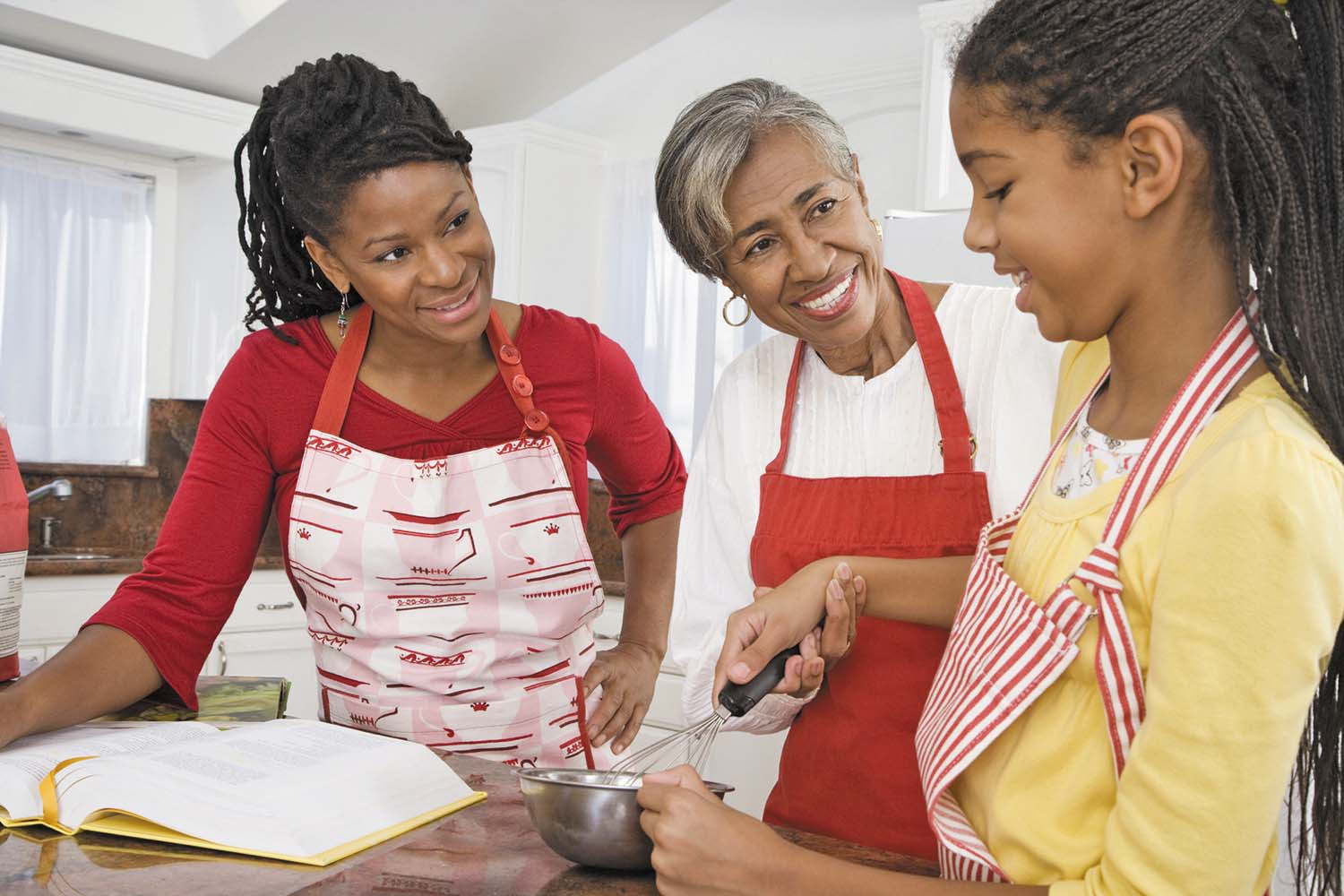
Winter activity workarounds for hands that hurt
Hand arthritis makes it tough to do winter activities, such as preparing holiday feasts, shoveling snow, wrapping presents, or using walking or ski poles. It helps to plan out activities, break them up when possible, take lots of breaks, use tools to make the jobs easier, and enlist help if needed. For example, consider asking family and friends to assist with holiday meal prep, or hire a service to remove snow.
Naturally gluten-free foods
Harvard study: Healthier fats linked to longer life after prostate cancer diagnosis
Shingrix shingles vaccine linked with lower heart disease risks
Estrogen-only hormone therapy tied to lower dementia risk
Should you have a hysterectomy?
Stair climbing may significantly lower cardiovascular risks
Why do I sweat so much?
Walking pneumonia: The "mild" illness that can still pack a punch
What causes knee pain: How doctors make a diagnosis
Where you carry excess weight matters in predicting heart disease risk
Free Healthbeat Signup
Get the latest in health news delivered to your inbox!
Sign Up
