

Naturally gluten-free foods

Harvard study: Healthier fats linked to longer life after prostate cancer diagnosis

Shingrix shingles vaccine linked with lower heart disease risks

Estrogen-only hormone therapy tied to lower dementia risk

Should you have a hysterectomy?

Stair climbing may significantly lower cardiovascular risks

Why do I sweat so much?

Walking pneumonia: The "mild" illness that can still pack a punch

What causes knee pain: How doctors make a diagnosis
Where you carry excess weight matters in predicting heart disease risk
Injuries Archive
Articles
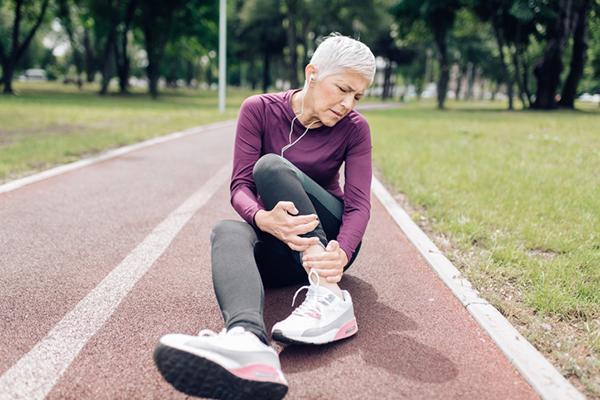
What is a high ankle sprain?
A high ankle sprain is a type of injury to the lower leg. It commonly occurs when there is a sudden twisting movement of the foot away from the body that tears the ligaments attached to the lower leg bones, above the ankle joint.
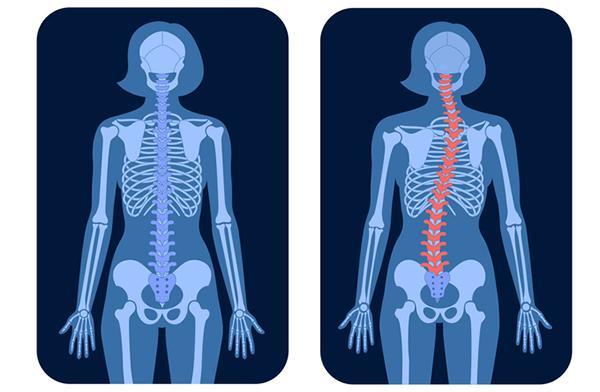
Scoliosis treatment: Can it help as you get older?
Many older adults with scoliosis—a C- or S-shaped sideways spinal curve—aren’t aware of it. Others noticeably lean to one side, and some have pain and limited range of motion in the spine. Physical therapy, including core strengthening and improving the stability of the trunk, can help.
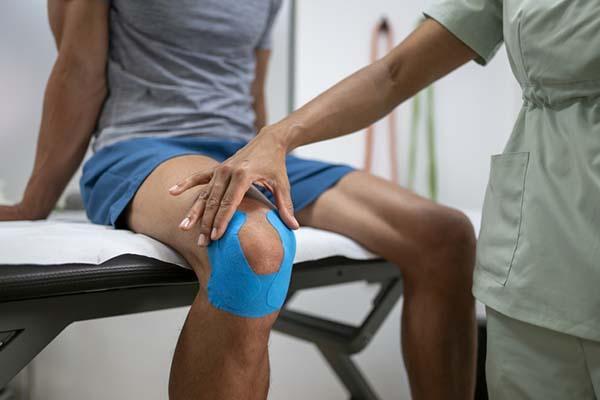
Kinesio taping offers only modest relief for musculoskeletal disorders
A 2026 analysis casts doubt on the effectiveness of kinesiology tape—adhesive strips applied to the skin—to reduce pain from musculoskeletal conditions, such as arthritis and low back pain. Findings from 128 scientific reviews suggest that taping provides only modest and temporary benefit.
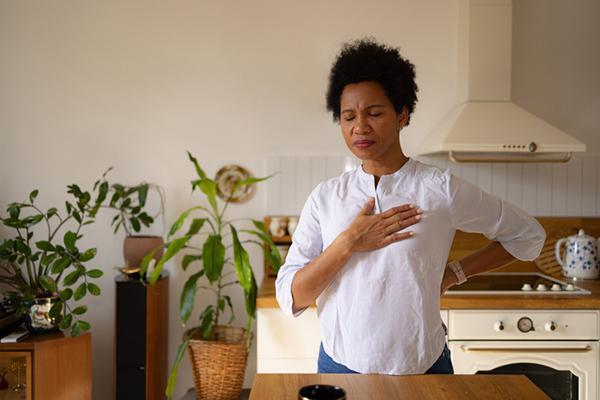
What can I do to ease the pain of costochondritis?
Most costochondritis pain can be managed at home with rest, activity changes, heat, and over‑the‑counter remedies while symptoms gradually fade.
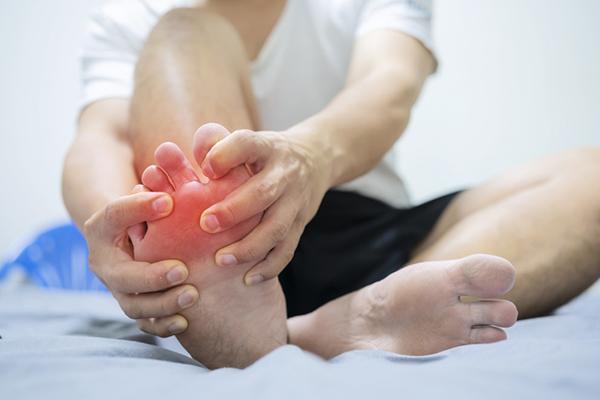
How much could changing my diet relieve my gout?
From rich meats and seafood to coffee and dairy, what you eat can shift uric acid levels. See which choices may influence painful gout flares.
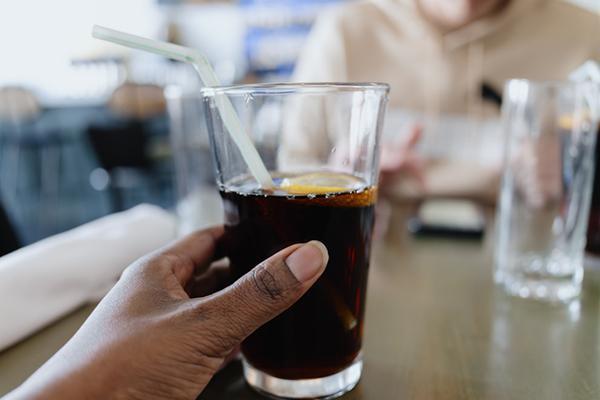
Do carbonated drinks weaken bones or worsen osteoporosis?
Research hints heavy soda consumption may weaken bones, especially in women. See what studies show, why the link is unclear, and steps you can take to protect bone health.

Does diet influence the risk of developing arthritis?
Some joints react to what's on your plate, but weight, microbiome, and other factors may matter even more.
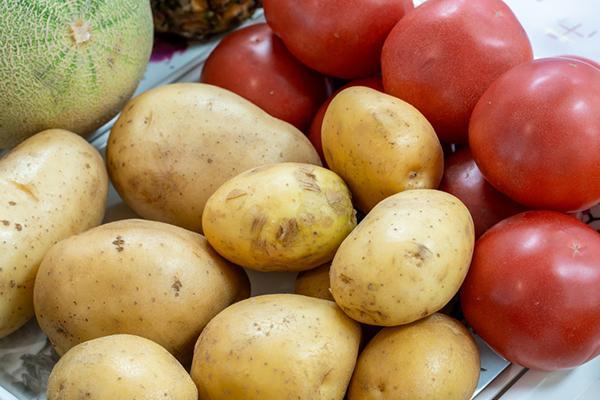
Do nightshade vegetables worsen rheumatoid arthritis?
Claims that nightshade vegetables worsen rheumatoid arthritis are widespread. See what research says and which eating patterns show more promise.

Give praise to the elbow: A bending, twisting marvel
Life would be extremely difficult for humans if we didn't have elbows, yet when it comes to joints we hear very little about them. So let's consider what the elbows do for us and why we should do all we can to protect them.
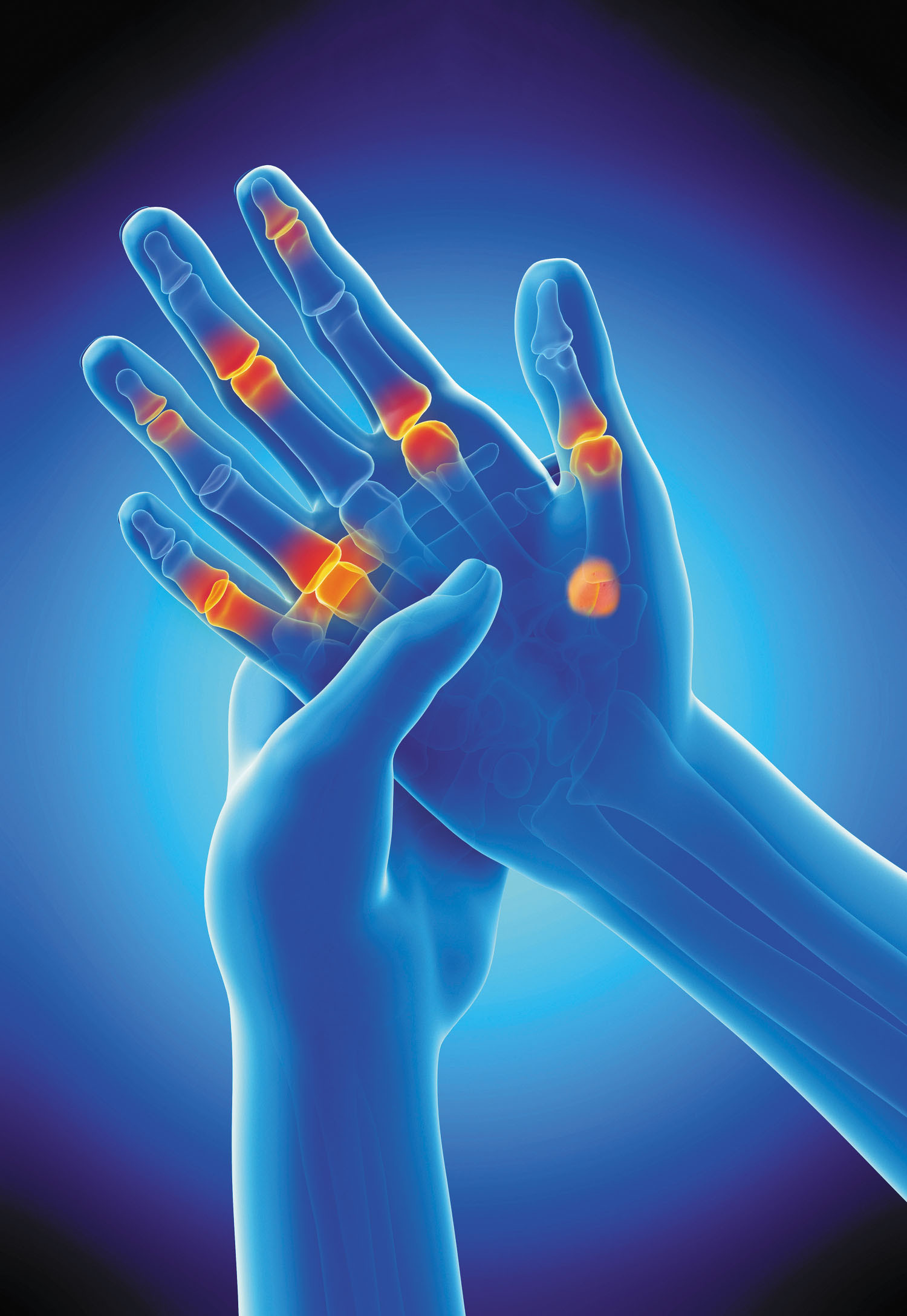
Identifying arthritis in your fingers and thumbs
Two main types of arthritis can affect the thumb and fingers. Osteoarthritis typically affects joints in the middle or end of the fingers or the base of the thumb. Rheumatoid arthritis more often affects the fingers' middle joints or the joints that connect the fingers to the hand. Medications can halt or slow the progression of rheumatoid arthritis. There aren't any drugs proven to halt or slow osteoarthritis. Using a splint or brace, using assistive devices (such as a shirt buttoner), and working with a certified hand therapist can help people cope with either type of arthritis.
Naturally gluten-free foods
Harvard study: Healthier fats linked to longer life after prostate cancer diagnosis
Shingrix shingles vaccine linked with lower heart disease risks
Estrogen-only hormone therapy tied to lower dementia risk
Should you have a hysterectomy?
Stair climbing may significantly lower cardiovascular risks
Why do I sweat so much?
Walking pneumonia: The "mild" illness that can still pack a punch
What causes knee pain: How doctors make a diagnosis
Where you carry excess weight matters in predicting heart disease risk
Free Healthbeat Signup
Get the latest in health news delivered to your inbox!
Sign Up
