










Do nightshade vegetables worsen rheumatoid arthritis?
Ask the doctor
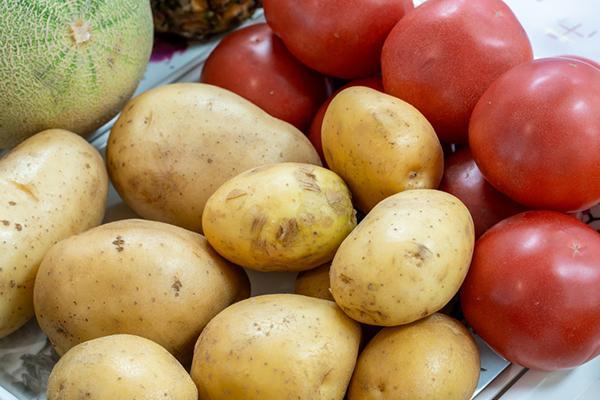
Q. I have an acquaintance with rheumatoid arthritis. He was told to avoid potato and tomato because they absorb calcium and are bad for his condition. Is there any scientific support for this?
A. The short answer is no: there is no convincing evidence that potatoes or tomatoes (or any specific, individual foods) are bad for rheumatoid arthritis.
The role of diet on arthritis has been a topic of intense debate and research for years. So far, the best evidence links certain dietary patterns (including the Mediterranean diet and other plant-based diets) to reduced inflammation that could help control arthritis. Such diets are increasingly recommended by arthritis experts (rheumatologists).
There is also ongoing research on how changes in diet might alter the microbiome (the bacteria and other microorganisms living within us) which might, in turn, reduce arthritis symptoms. However, it's too soon to say if this approach has merit.
Still, I've seen many patients who are convinced that diet affects their joint disease. I encourage them to follow whatever diet they feel helps - as long as it's safe.
There has long been a suggestion that avoiding "nightshade vegetables" helps arthritis. Examples of these vegetables include tomatoes, potatoes, and eggplant. Perhaps this is why your acquaintance was told to avoid them. But again, there is no scientific evidence that avoiding these foods will improve rheumatoid arthritis. In addition, I know of no connection between eating these vegetables and calcium absorption. (Even if there was, there is no clear connection between calcium absorption and symptoms of rheumatoid arthritis.)
There is much we do not understand about the impact of diet on rheumatoid arthritis or other types of arthritis. I think doctors and patients should keep an open mind about possible connections. I'm hopeful that future research will identify dietary choices that have the most benefit for rheumatoid arthritis and other forms of arthritis.
Image: © niuniu/Getty Images
About the Author

Robert H. Shmerling, MD, Senior Faculty Editor, Harvard Health Publishing; Editorial Advisory Board Member, Harvard Health Publishing
Disclaimer:
As a service to our readers, Harvard Health Publishing provides access to our library of archived content. Please note the date of last review or update on all articles.
No content on this site, regardless of date, should ever be used as a substitute for direct medical advice from your doctor or other qualified clinician.


