










How much could changing my diet relieve my gout?
Ask the doctor
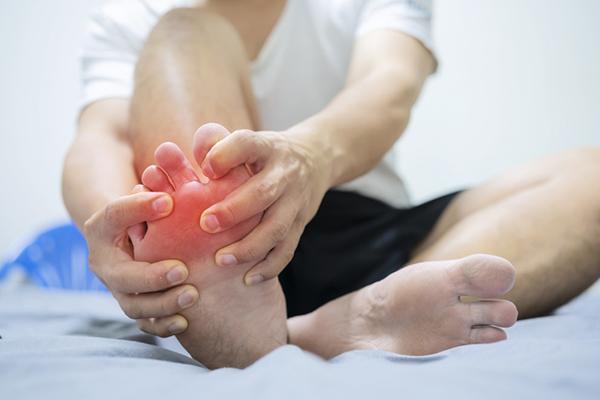
Q. I have gout. What should I be eating - or not eating - to get rid of it?
A. Gout is a condition in which crystals of uric acid (a normal waste product in the body) deposit in joints. This causes sudden attacks of arthritis. These crystals can also deposit in the kidney, causing kidney stones. Risk factors for gout include having a family history of the condition, certain medications, and kidney disease.
Changes in diet can be helpful to reduce the frequency of attacks or avoid complications. Unfortunately, it's rarely possible to change your diet enough to get rid of gout.
Certain foods contribute to increased levels of uric acid in the body. Examples include:
- anchovies
- organ meats (such as kidneys, liver, brains, and sweetbreads)
- dried beans and peas
- game meats (deer, elk, bear)
- certain fish and seafood (such as herring, mackerel, sardines, and scallops)
- mushrooms.
Eating and drinking a lot of certain types of foods (such as alcohol, red or organ meat, and seafood) has been linked with an increased risk of developing gout. Coffee and dairy products appear to lower the risk.
However, changes in your diet can only do so much. If you notice that certain foods tend to trigger your gout, by all means avoid them. But don't expect diet to solve the problem.
There are several options (including taking medicine) to treat gout attacks and other options to prevent gout. Talk to your doctor about your options, including ways your diet can help.
Image: © jittawit21/Getty Images
About the Author

Robert H. Shmerling, MD, Senior Faculty Editor, Harvard Health Publishing; Editorial Advisory Board Member, Harvard Health Publishing
Disclaimer:
As a service to our readers, Harvard Health Publishing provides access to our library of archived content. Please note the date of last review or update on all articles.
No content on this site, regardless of date, should ever be used as a substitute for direct medical advice from your doctor or other qualified clinician.


