

Healing after food poisoning

What is tempeh? Benefits, nutrition, and how to use it

Light exposure at night may raise risk for heart disease

Whole grains may improve several heart risk factors at once

A lumbar belt may help ease low back pain

Children of centenarians may stay healthier and live longer too, study finds

Signs of pneumonia: Sometimes vague and unexpected

The surprising link between ovarian cancer and the fallopian tubes

Using a vibration plate: What it can — and can't — do for your body

People who walk more or walk faster live longer, study finds
Inflammation Archive
Articles

When an infection invades the heart
Although uncommon, heart infections may trigger inflammation that can damage the heart. People should be aware of the risks and symptoms of the three main types: pericarditis (swelling and irritation of the protective, double-layered membrane that surrounds the heart, called the pericardium), myocarditis (inflammation in the middle, muscular layer of the heart), and endocarditis (inflammation that affects the heart’s inner lining or one or more of the heart’s valves).

Coffee: A heart-healthy brew?
Coffee drinking has been linked to a lower risk of dying of heart disease. Coffee contains potent anti-inflammatory substances called polyphenols that may improve blood sugar control and help blood vessels contract and relax. Although the caffeine in coffee may help people control their weight, it can trigger a short-term rise in blood pressure and heart rate. Filtered coffee, which removes substances that may raise LDL (bad) cholesterol, appears to be a better option than unfiltered coffee.

Air pollution: An invisible threat to your heart
Exposure to microscopic particles called PM2.5 in air pollution may increase a person’s risk of heart attack, stroke, and heart rhythm disorders. The tiny particles pass from the lungs into the bloodstream, triggering inflammation and other cell-damaging processes. Air pollution comes mainly from coal-fired power plants, industrial factories, and motor vehicles. To limit exposure, people should try to avoid exercising outdoors near busy roads or industrial areas.

Shingles linked with higher risk for heart disease and stroke
People who have had shingles have a 30% increased risk for heart disease and stroke, says a new Harvard study. Learn more about the risk.

Harvard study: Shingles linked to a spike in risks for heart attack and stroke
A 2022 observational study that included more than 200,000 people found that those who'd had shingles at some point had a 30% higher long-term risk for a major cardiovascular event, compared with people who didn't have shingles.

Why won't my hives go away?
Hives are red, itchy welts that crop up on the skin. Allergic reactions and stress, among other triggers, can cause episodes of hives, which typically last several days to a couple of weeks. Cases that last six weeks or longer may be autoimmune hives.
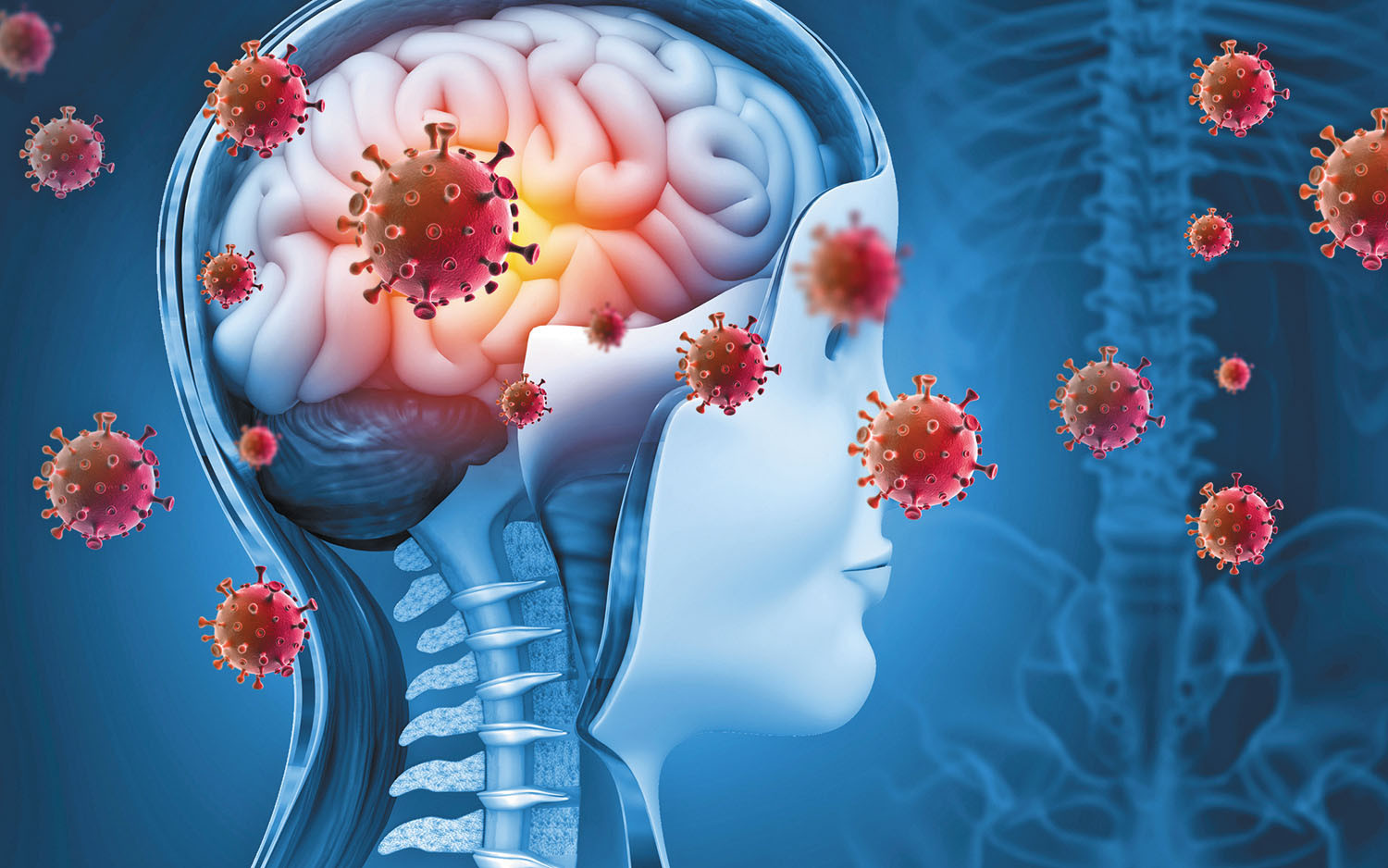
Does COVID-19 damage the brain?
COVID-19 can damage the brain in many ways. Initially, it can cause brain inflammation that causes confusion, difficulty concentrating, and memory problems. COVID also can cause new psychological disorders such as depression or anxiety. It can even cause people to see and hear things that aren't there and to believe things that aren't true. COVID often damages the brain's autonomic nervous system, leading to abnormalities in heart rate and blood pressure. Additionally, the virus that causes COVID can infect and injure the lining of blood vessels and make blood clot more easily, which can lead to strokes and heart attacks.

Vaccination may protect against long COVID
Getting at least one dose of a COVID vaccine lowers the risk of developing long COVID even among people who were previously unvaccinated and recovered from COVID.

Short on slumber
Most adults need seven to nine hours of sleep each night, but more than one-third consistently sleep fewer than seven. Reasons for poor sleep include pregnancy, menopausal night sweats, medication use, sleep disorders, and various illnesses. Sleep deprivation can raise the risks for such conditions as diabetes, certain cancers, obesity, dementia, depression, and heart disease. To promote sounder sleep, people can keep consistent sleep-wake schedules, reduce intake of caffeine and alcohol, and avoid using electronic devices before bed.

Does inflammation contribute to infertility?
Infertility affects millions of people worldwide. Chronic inflammation has been linked to many health conditions and some research suggests it might be a contributing factor for some cases of infertility. And if true, would an anti-inflammatory diet or lifestyle boost fertility?
Healing after food poisoning
What is tempeh? Benefits, nutrition, and how to use it
Light exposure at night may raise risk for heart disease
Whole grains may improve several heart risk factors at once
A lumbar belt may help ease low back pain
Children of centenarians may stay healthier and live longer too, study finds
Signs of pneumonia: Sometimes vague and unexpected
The surprising link between ovarian cancer and the fallopian tubes
Using a vibration plate: What it can — and can't — do for your body
People who walk more or walk faster live longer, study finds
Free Healthbeat Signup
Get the latest in health news delivered to your inbox!
Sign Up
