

Healing after food poisoning

What is tempeh? Benefits, nutrition, and how to use it

Light exposure at night may raise risk for heart disease

Whole grains may improve several heart risk factors at once

A lumbar belt may help ease low back pain

Children of centenarians may stay healthier and live longer too, study finds

Signs of pneumonia: Sometimes vague and unexpected

The surprising link between ovarian cancer and the fallopian tubes

Using a vibration plate: What it can — and can't — do for your body

People who walk more or walk faster live longer, study finds
Inflammation Archive
Articles

Exercise tied to reduced risks of dying from flu or pneumonia
A 2023 study of more than 577,000 people found that people who said they met the guidelines for weekly physical activity had a 48% lower risk of dying from flu or pneumonia over a nine-year period, compared with people who said they didn't meet the guidelines.

Weekly aerobic exercise may help reduce flu and pneumonia deaths
A 2023 study found that people who met guidelines for engaged weekly aerobic activity had a lower risk of dying from pneumonia or influenza than those who did no activity.

Leprosy in Florida: How worried should we be?
News coverage of a case of leprosy in central Florida may have made it seem like there is an increased threat the disease would spread. Misconceptions about this disease have persisted for a long time, but the facts are reassuring.

The FDA relaxes restrictions on blood donation
While the FDA rules for blood donation were revised twice in the last decade, one group — men who have sex with men — continued to be turned away from donating. Now new, evidence-based FDA rules will focus on individual risk rather than groupwide restrictions.

How can I avoid long COVID?
Tens of millions of people who've had COVID-19 suffer with persisting symptoms. The condition is called long COVID. Symptoms, such as fatigue, difficulty concentrating, and disrupted sleep, can seriously impair the ability to function at work and at home. Vaccines and antiviral drugs appear to offer some protection against getting long COVID. But more information is needed. The National Institutes of Health has committed over $1 billion to discover how to better diagnose, effectively treat, and ultimately prevent long COVID.

Are inflammatory bowel disease and irritable bowel syndrome the same?
Irritable bowel syndrome (IBS) and inflammatory bowel disease (IBD) are different, though they can have similar symptoms. IBS symptoms seem to arise from hypersensitive nerves and abnormal muscle contractions in the digestive tract, while IBD results from a problem with the immune system causing inflammation.

Can we prevent urinary tract infections?
Scientists are testing potential vaccines that aim to prevent urinary tract infections (UTIs). Until then, strategies that may help ward off UTIs include drinking lots of water each day, emptying the bladder after sexual intercourse, using vaginal estrogen creams (for women), wiping front to back after gong to the bathroom (for women), taking a daily long-term, low-dose antibiotic, taking a single dose of an antibiotic after sex (if recurrent UTIs often follow sexual intercourse), or taking cranberry supplements.

This unusual syndrome causes your heart to race when you stand up
A rapid heart rate—tachycardia—is a key feature of postural orthostatic tachycardia syndrome, or POTS, a mysterious condition that involves the nervous system and can cause a constellation of symptoms, including fatigue, shortness of breath, headaches, and brain fog, as well as pain in the chest, extremities, or elsewhere in the body. At least half of all cases of POTS are thought to be triggered by an infection (such as mononucleosis), which then spurs inflammation or an autoimmune response. Treatment includes drinking lots of water, eating lots of salt, and graded exercise training.
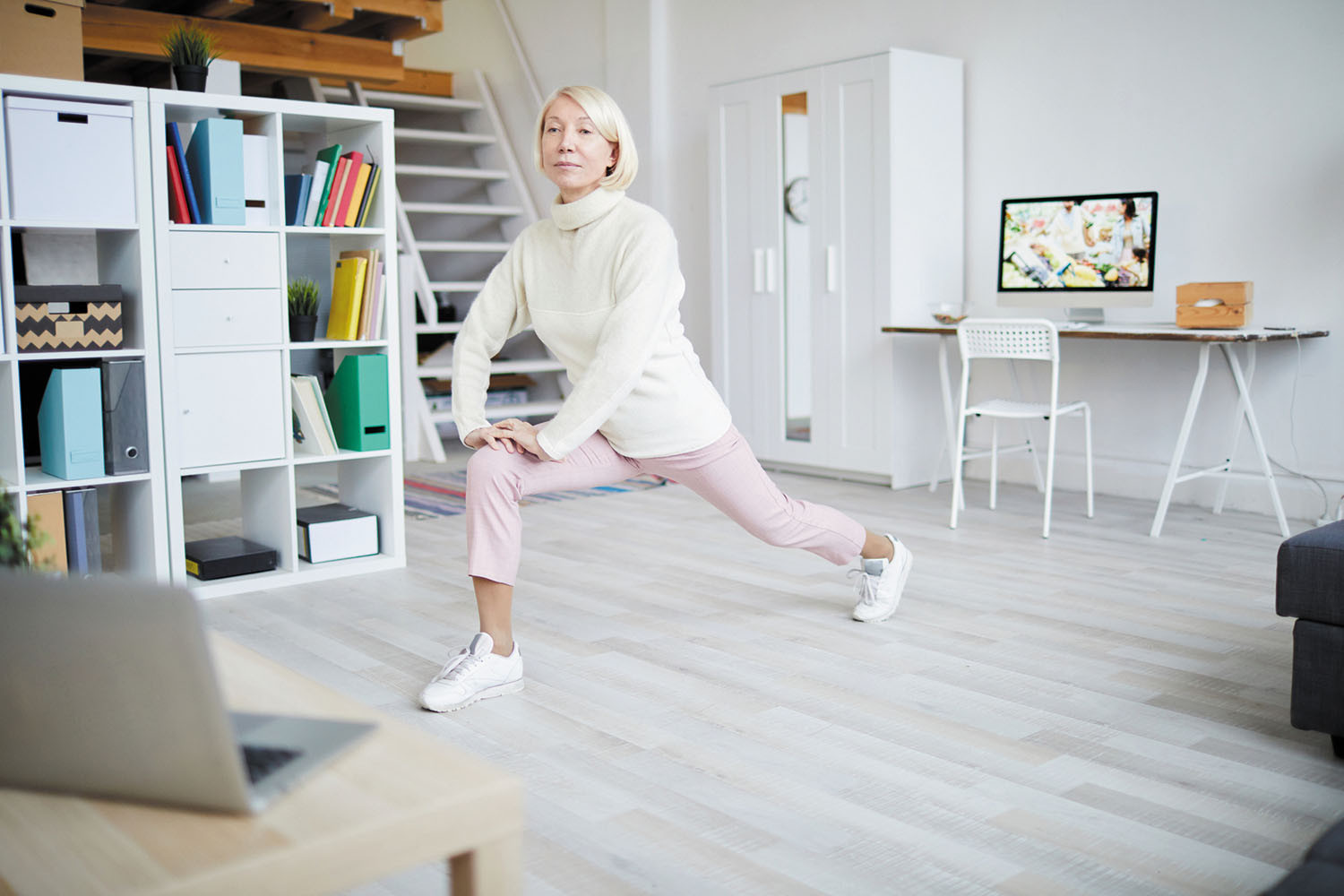
Why you should move — even just a little — throughout the day
People who sit for long, uninterrupted periods of time may increase their risk of cardiovascular disease, even if they get the recommended 30 minutes of daily exercise. Sedentary behavior appears to make people more prone to developing insulin resistance and inflammation, which are key players in the buildup of fatty plaque inside arteries. Experts say people should add short bursts of movement to their daily routine to break up long periods of sitting.

Lessons learned from COVID
While the COVID pandemic changed how many people approached their health, the experience offers a teachable moment about how people can maintain new and improved healthy habits. Four areas that were most affected by COVID and enabled people to create positive changes are exercise, diet, medical check-ups, and social connections.
Healing after food poisoning
What is tempeh? Benefits, nutrition, and how to use it
Light exposure at night may raise risk for heart disease
Whole grains may improve several heart risk factors at once
A lumbar belt may help ease low back pain
Children of centenarians may stay healthier and live longer too, study finds
Signs of pneumonia: Sometimes vague and unexpected
The surprising link between ovarian cancer and the fallopian tubes
Using a vibration plate: What it can — and can't — do for your body
People who walk more or walk faster live longer, study finds
Free Healthbeat Signup
Get the latest in health news delivered to your inbox!
Sign Up
