

CoQ10: Should you take this popular supplement if you're on a statin?

Oat vs. dairy milk: Nutrition, benefits, and downsides

Microplastics: A hidden health threat?

Healing after food poisoning

What is tempeh? Benefits, nutrition, and how to use it

Light exposure at night may raise risk for heart disease

Whole grains may improve several heart risk factors at once

A lumbar belt may help ease low back pain

Children of centenarians may stay healthier and live longer too, study finds

Signs of pneumonia: Sometimes vague and unexpected
Heart Health Archive
Articles
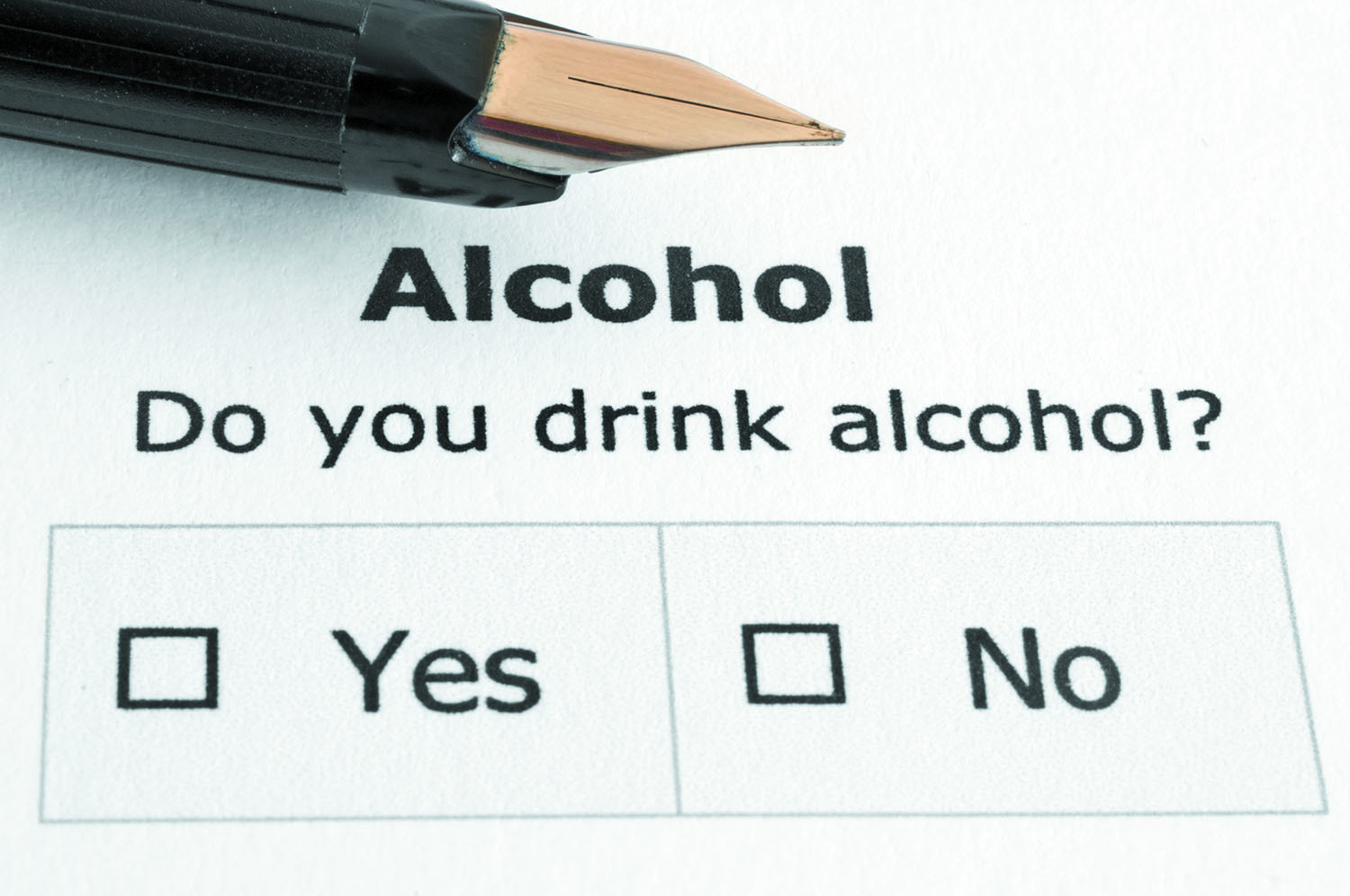
Alcohol’s heart advantages under scrutiny
Research we're watching
Image: © i_frontier/Thinkstock
Conventional wisdom holds that a drink or two a day protects against heart disease. But this assumption may be wishful thinking, a new analysis suggests.
For the paper, researchers scrutinized findings from 45 studies that involved a total of nearly three million people. Current moderate drinkers (up to two drinks a day) were less likely than nondrinkers to die of heart disease. But studies that looked at drinking over the lifespan suggest a different conclusion. These studies, as well as those that accounted for people's baseline heart health, found no benefit from moderate drinking.

Medicare now covers exercise training for blocked leg arteries
Research we're watching
About 8.5 million Americans have peripheral artery disease, or PAD, in which fatty plaque clogs arteries outside of the heart, most commonly in the legs. The hallmark symptom is calf or thigh pain while walking that goes away when you rest.
The safest, most effective treatment for PAD is supervised exercise training, in which you're monitored while walking on a treadmill. Few people participate, however, partly because of the expense of the regimen. It involves up to 36 sessions of 30 to 60 minutes each over a period of three months.
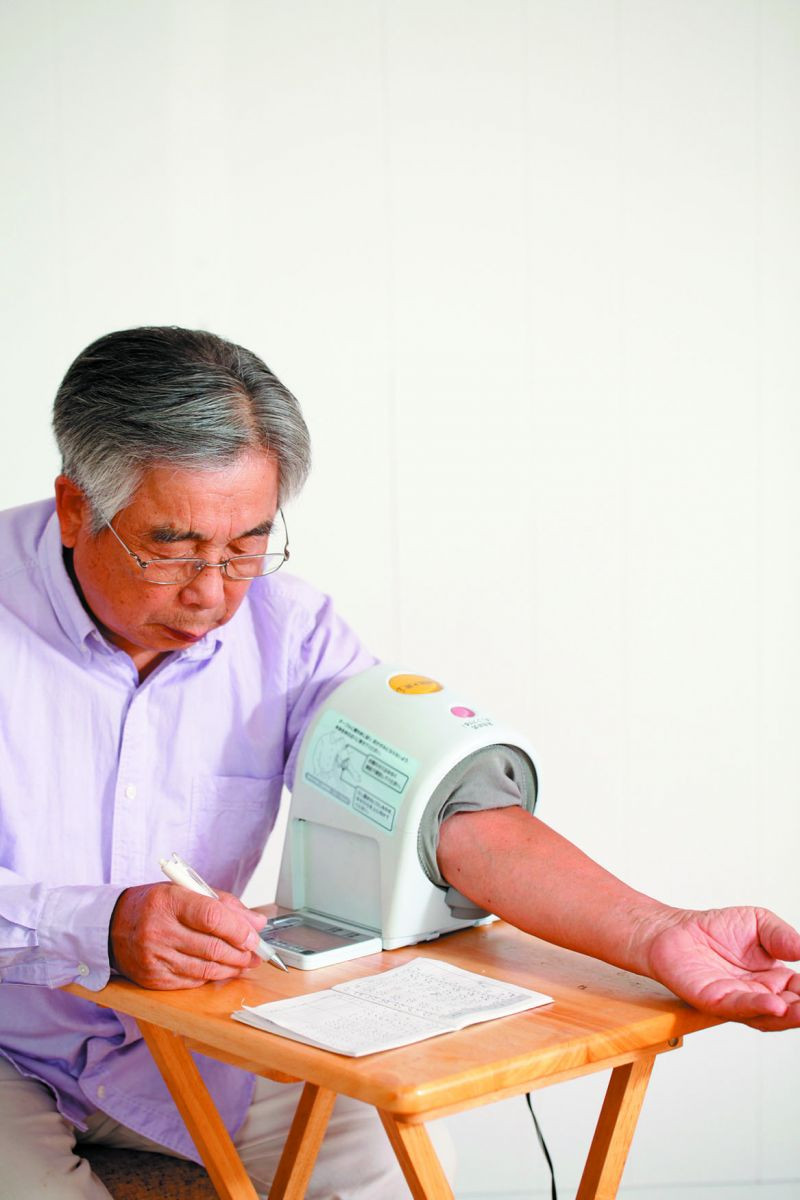
What’s the right blood pressure number for you?
New guidelines suggest that people with no history of cardiovascular disease may not benefit from more aggressive treatment.
High blood pressure remains a strong indicator for heart attack or stroke risk. But how high is too high?
The American College of Physicians (ACP) and the American Academy of Family Physicians (AAFP) recently released updated guidelines for treating hypertension (high blood pressure) in adults ages 60 and older.
High-dose vitamin D pills show no protection against heart disease
In the journals
Adequate levels of vitamin D can help strengthen bones and lower the risk for diabetes and some cancers. But research published online April 5, 2017, by JAMA Cardiology found that high monthly doses of supplemental vitamin D did little to ward off cardiovascular disease.
The recommended daily amount of vitamin D is 600 international units (IU) for men ages 51 to 70 and 800 IU for men ages 71 and older. It is not yet clear how vitamin D may improve heart health, but studies have found a higher rate of cardiovascular disease among people with low levels of vitamin D.


This is your brain on alcohol
It's no secret that alcohol affects our brains. Although excessive drinking is linked to an increased risk of dementia, decades of observational studies have indicated that moderate drinking has few ill effects. However, a recent British study seems to have bad news for moderate drinkers.
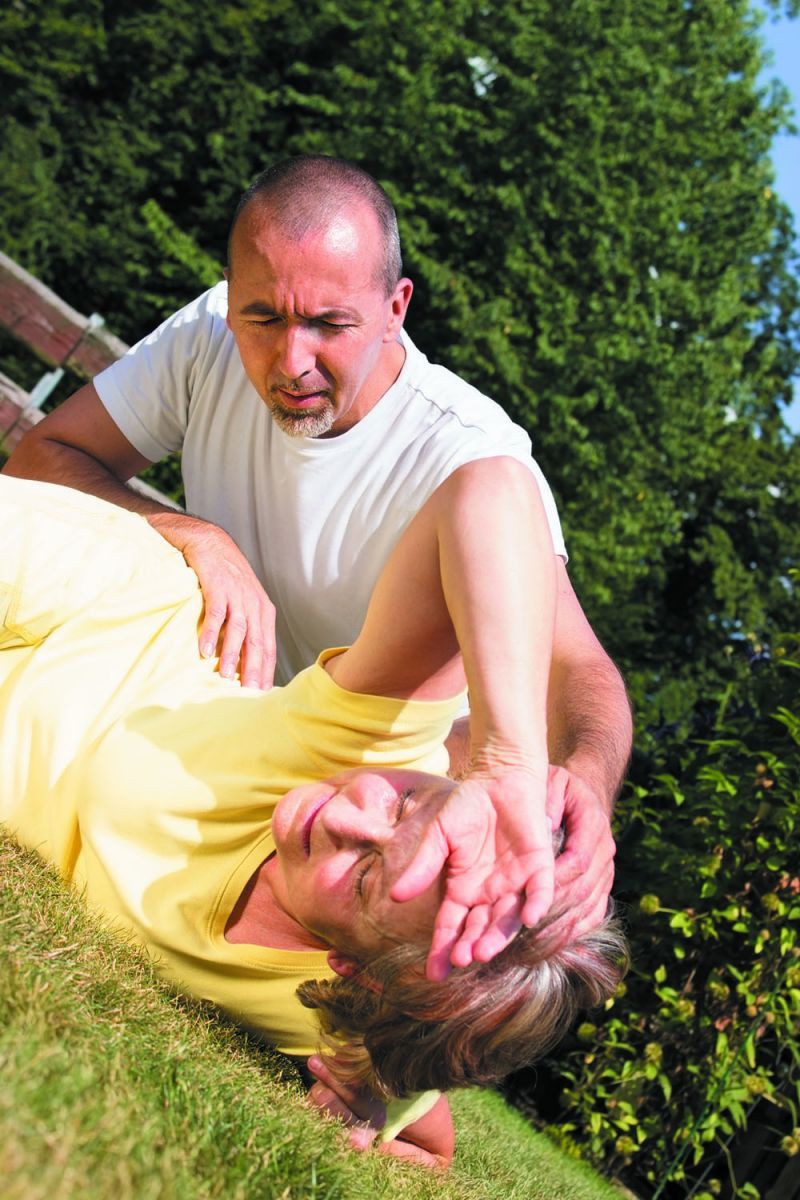
Fainting: Frightening, but seldom serious
Learn why fainting occurs and when you should seek medical attention.
One minute you're feeling a bit woozy; the next thing you know, you're flat on your back wondering what happened. No matter what you call it — swooning, passing out, or fainting — the experience is surprisingly common. About a third of people say they've fainted at least once.
Defined as a sudden, temporary loss of consciousness, fainting occurs when something interrupts blood flow to the brain. Doctors call it syncope, which comes from a Greek word meaning "contraction" or "cut off." Although often harmless, fainting can cause injuries and sometimes signals a problem with the heart or circulatory system.
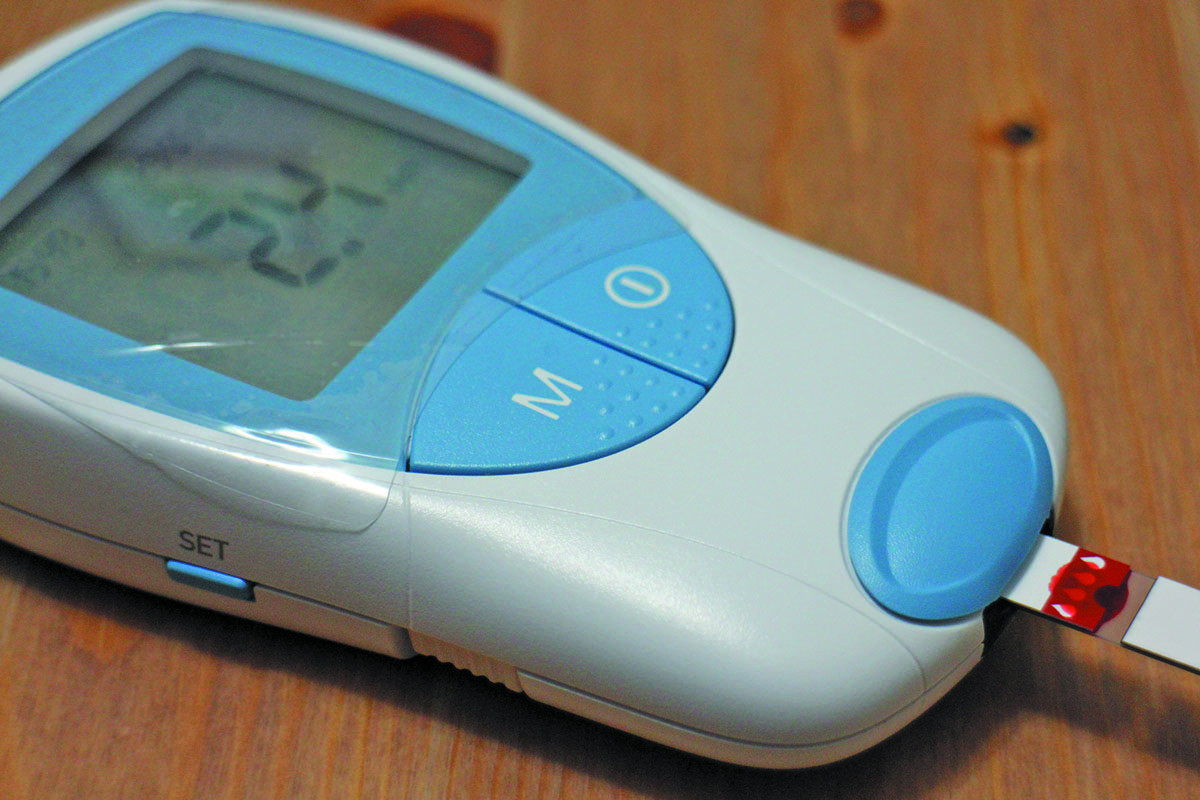
Clot prevention with a mechanical heart valve
Ask the doctor
Image: © Hailshadow/Thinkstock
Q. I have a mechanical heart valve, so I'm taking warfarin. But the frequent blood tests and occasional dose changes are bothersome. When, if ever, will I be able to take one of the new blood thinners instead of warfarin? Off-label use of other drugs is not uncommon. Why isn't that an option in this case?
A. Your question is a good one, and it requires a two-part answer. When doctors prescribe drugs "off-label," that means they believe the drug will help you, even if it has not been FDA-approved specifically for your condition. Sometimes, subsequent research provides strong evidence to support a specific off-label use, which may lead to the drug's FDA approval for that condition. But sometimes, research shows the exact opposite: a medication that doctors assumed would be beneficial is, in fact, not helpful — and sometimes even harmful.

Tennis, anyone?
When it comes to heart health, there's a lot to love about racket sports.
If you haven't lobbed a tennis ball over a net since high school, you might want to pick up a racket again. A recent study suggests that people who play racket sports regularly may slash their odds of dying from a heart attack or stroke.
Tennis, which ranks among the world's most popular sports, provides an excellent full-body workout, plus a few other less obvious benefits. And lower-impact racket sports, such as badminton or table tennis, may be good choices for people who have certain health conditions or who are older (see "Ping-Pong, perhaps?").

Rethinking good cholesterol
A high HDL cholesterol level may not be as beneficial as once believed.
Image: © JFalcetti/Thinkstock
If you're hoping to avoid heart disease, you probably keep tabs on your blood cholesterol values — especially your low-density lipoprotein (LDL), or "bad" cholesterol. Too much LDL in the bloodstream helps to create the plaque that accumulates inside arteries, raising the risk of a heart attack. The lower your LDL, the lower your risk of having a heart attack.
In contrast, high-density lipoprotein (HDL) has long been known as the "good" cholesterol. These particles are known to patrol blood vessels, grabbing cholesterol from both the bloodstream and artery walls and ferrying it to the liver for recycling and disposal. In population-based studies, people with high HDL levels tend to have fewer heart attacks, while those with lower HDL values have more.
CoQ10: Should you take this popular supplement if you're on a statin?
Oat vs. dairy milk: Nutrition, benefits, and downsides
Microplastics: A hidden health threat?
Healing after food poisoning
What is tempeh? Benefits, nutrition, and how to use it
Light exposure at night may raise risk for heart disease
Whole grains may improve several heart risk factors at once
A lumbar belt may help ease low back pain
Children of centenarians may stay healthier and live longer too, study finds
Signs of pneumonia: Sometimes vague and unexpected
Free Healthbeat Signup
Get the latest in health news delivered to your inbox!
Sign Up
