

CoQ10: Should you take this popular supplement if you're on a statin?

Oat vs. dairy milk: Nutrition, benefits, and downsides

Microplastics: A hidden health threat?

Healing after food poisoning

What is tempeh? Benefits, nutrition, and how to use it

Light exposure at night may raise risk for heart disease

Whole grains may improve several heart risk factors at once

A lumbar belt may help ease low back pain

Children of centenarians may stay healthier and live longer too, study finds

Signs of pneumonia: Sometimes vague and unexpected
Heart Health Archive
Articles

A new concern about blood pressure and your brain health
Research we're watching
Last month, Harvard Women's Health Watch talked about how high blood pressure can cause a series of tiny strokes that damage your brain, increasing your risk of dementia and cognitive changes. A study in the August 8 issue of Circulation shows that this might not be the only concern when it comes to blood pressure and your mind. Researchers in Japan found that large and frequent fluctuations in blood pressure — not just high blood pressure — was associated with an increased risk of both Alzheimer's disease and vascular dementia.
The study authors asked 1,674 dementia-free participants ages 60 and older to measure their blood pressure at home, three times every morning, for about four weeks. They followed up about five years later to see who went on to develop dementia.

Can shingles raise your risk for heart attack and stroke?
Research we're watching
A research letter published in the July 3 issue of the Journal of the American College of Cardiology says that shingles, a painful rash caused by the varicella-zoster virus (the same virus that causes chickenpox) may be linked to an increased risk of stroke and heart attack.
South Korean researchers used a national medical database to identify diagnoses of shingles, stroke, and heart attack and followed them from 2003 to 2013. They compared 23,213 individuals who had developed shingles during this period and compared their subsequent rates of heart attack and stroke to approximately 23,213 shingles-free individuals. They found that people who had shingles had a 35% higher risk of heart attack and a 59% higher risk of stroke.

Air pollution: A threat to your heart and longevity?
New research links "safe" levels of air pollution to premature death.
Image: © TomasSereda/Thinkstock
Every day, you inhale thousands of gallons of air — mostly nitrogen, oxygen, and a smattering of other gases. But that air also contains tiny particles spewed from power plants, industrial factories, and vehicles. These pollutants can trigger heart attacks, strokes, and irregular heart rhythms, especially in people who already have or who are at risk for heart disease.
And even though the air we breathe is much cleaner today than it was in the 1970s, there's still room for improvement. In fact, a major Harvard study recently found that air pollution kills thousands of people in the United States each year, even at pollution levels currently allowed by the Environmental Protection Agency (see "Something in the air: Regulating pollution").

What is vasculitis?
Ask the doctor
Q. My doctor suspects I may have vasculitis. What can you tell me about this condition?
A. Vasculitis refers to a group of uncommon disorders marked by inflammation of the blood vessels. This inflammation can affect arteries, veins, or capillaries, the tiny vessels that connect the smallest arteries to the smallest veins. It can damage vessels that supply only one part of the body (such as the head or skin) or those that supply many different organs.
Seeking a second opinion: When, why, and how?
In many cases, another physician's perspective about a proposed heart procedure can be helpful.
You've just found out that several of your heart's arteries are almost completely blocked. Your doctor believes bypass surgery is the best treatment option for you, but you wonder if a less invasive procedure might be possible. Or perhaps you have a heart valve that isn't working well — should you have it repaired, or fully replaced?
These scenarios are two heart-related examples that often prompt people to seek a second opinion. "But any time a physician suggests a surgery or procedure, consulting another doctor often makes sense, especially if you have questions that aren't being explained in a way that makes sense to you," says cardiologist Dr. Dale Adler, professor of medicine at Harvard Medical School.

Taking a look at the latest trends in heart rhythm monitoring
Bulky recorders with lots of wires are being replaced by small patches and implanted devices.
An abnormal heart rhythm — when your heartbeat is too fast, too slow, or irregular — can be tricky to detect and diagnose. These electrical misfires are often short-lived and sporadic, so they're rarely seen on a routine electrocardiogram (ECG), a 10-second recording of the heart's electrical activity.
Many heart rhythm changes are harmless, but some cause fainting or other worrisome problems — including stroke. That's why doctors often rely on portable ECG devices that record your heart rhythm for several days — or even up to a month. But they're a bit of a nuisance because of the many wires, and you must remove and replace the electrodes when you shower or bathe.

Anxiety and heart disease: A complex connection
A little bit of worry and stress is normal — even beneficial. But chronic anxiety may raise your risk for heart problems.
Image: © grinvalds/Thinkstock
If you feel anxious now and then, that's perfectly normal. In fact, worrying can spur you to take positive action that may benefit your health, such as getting screening tests or doing regular exercise. But excessive worrying can have the opposite effect.
"Small amounts of anxiety and stress can push people to be more productive. The problem happens when anxiety becomes so overwhelming that you're unable to function normally," says Dr. Christopher Celano, a psychiatrist at the Cardiac Psychiatry Research Program at Harvard-affiliated Massachusetts General Hospital. That level of worry and stress may represent an anxiety disorder, a group of conditions that affect some 40 million adults in this country.
Healthy lifestyle habits linked to lower drug costs
Research we're watching
People with cardiovascular disease who exercise regularly, don't smoke, and manage other risk factors spend far less money on medications than people who don't take such steps, a new study finds.
The study included 4,248 people ages 40 and older with clogged arteries (atherosclerosis), the most common form of cardiovascular disease. Researchers also relied on the Medical Expenditure Panel Survey, a national snapshot of health care expenses based on a survey of nearly 76,000 Americans.

An advantage of adding almonds to your diet?
Research we're watching
Image: © Daisy-Daisy/Thinkstock
Want to help improve your cholesterol profile? Swap your midmorning muffin for a handful of almonds, suggests a study in the Aug. 1, 2017, Journal of Nutrition.
Nutritionists have long known that eating almonds and other nuts tends to lower harmful LDL cholesterol and raise desirable HDL cholesterol. But recent evidence suggests that the heart-protecting effects of HDL depend on a person's particular complement of the various forms of HDL, some of which are more beneficial than others.
Shingles may raise heart attack risk
Research we're watching
Image: © designer491/Thinkstock
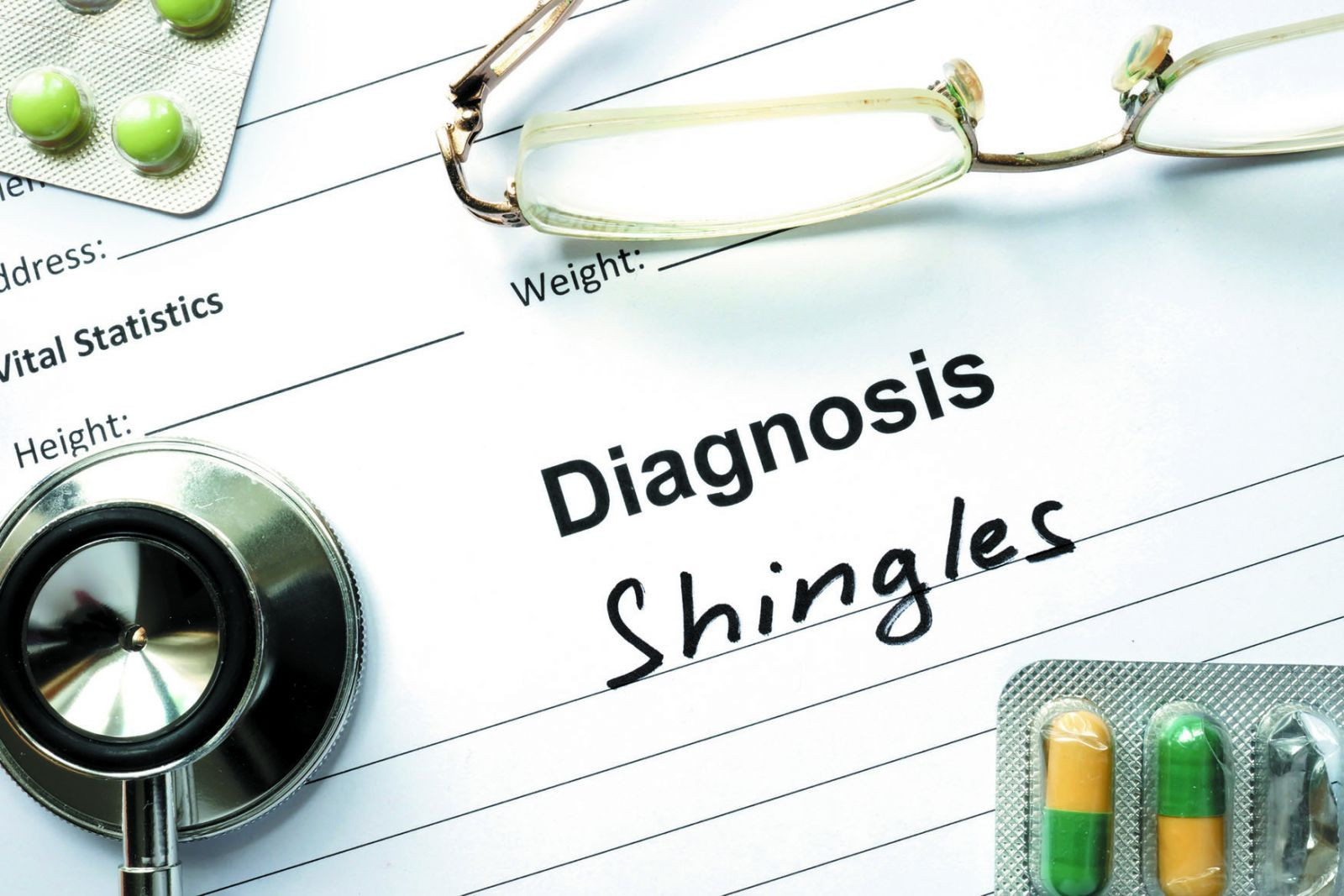
People who develop the painful, blistering rash known as shingles may be more susceptible to a heart attack, according to a study in the July 11, 2017, Journal of the American College of Cardiology. Also known as herpes zoster, shingles results from a reactivation of the virus that causes chickenpox, which most adults had during childhood.
Researchers relied on a Korean health database to identify people newly diagnosed with shingles, stroke, or heart attack over 10 years. Among the nearly 520,000 people they followed for that period, just over 23,000 were diagnosed with shingles, whom they compared with a similar number of people without shingles. People who'd had shingles had a 59% higher risk of later having a heart attack and a 35% higher risk of having a stroke compared with people who did not have shingles. The risk was highest during the first year after the onset of shingles and then diminished over time.
CoQ10: Should you take this popular supplement if you're on a statin?
Oat vs. dairy milk: Nutrition, benefits, and downsides
Microplastics: A hidden health threat?
Healing after food poisoning
What is tempeh? Benefits, nutrition, and how to use it
Light exposure at night may raise risk for heart disease
Whole grains may improve several heart risk factors at once
A lumbar belt may help ease low back pain
Children of centenarians may stay healthier and live longer too, study finds
Signs of pneumonia: Sometimes vague and unexpected
Free Healthbeat Signup
Get the latest in health news delivered to your inbox!
Sign Up
