

CoQ10: Should you take this popular supplement if you're on a statin?

Oat vs. dairy milk: Nutrition, benefits, and downsides

Microplastics: A hidden health threat?

Healing after food poisoning

What is tempeh? Benefits, nutrition, and how to use it

Light exposure at night may raise risk for heart disease

Whole grains may improve several heart risk factors at once

A lumbar belt may help ease low back pain

Children of centenarians may stay healthier and live longer too, study finds

Signs of pneumonia: Sometimes vague and unexpected
Heart Health Archive
Articles

Uncovering the connection between sleep and heart health
Research we're watching
Sleeping either too little or too much has been linked to a higher risk of heart disease. But how much do other interconnected factors — namely, activity levels and body weight — affect this observation?
In an effort to find out, researchers studied nearly 240,000 healthy adults ages 51 to 72 who were part of a nationwide health study. The investigators examined the influence of moderate-to-vigorous physical activity, television viewing, and body mass index on sleep duration and death rates.
Taking clot-prevention drugs for afib may lower risk of dementia
Research we're watching
Among people who have atrial fibrillation (afib), those who take anti-clotting medications may be less likely to develop dementia later in life than those who don't take the drugs, a new study finds.
Afib, a disorder marked by a rapid, irregular heartbeat, raises the risk of stroke as well as dementia. Anti-clotting drugs are known to lower the risk of stroke, but the drugs' effects on dementia weren't clear. So Swedish researchers examined hospital and pharmacy registry data from nearly half a million people who were diagnosed with afib between 2006 and 2014.

Skipping breakfast linked to higher odds of clogged arteries
Research we're watching
New research supports the old adage that breakfast is the most important meal of the day. A study of more than 4,000 middle-aged adults in Spain found that those who ate breakfast were less likely to have artery-clogging plaque (atherosclerosis) than those who avoided a morning meal.
On average, the participants ate just over 2,300 calories per day. Nearly 3% didn't eat breakfast, while about 27% ate a hearty breakfast and nearly 70% ate a skimpier breakfast. Researchers used ultrasound to check their arteries for early evidence of atherosclerosis, as they described in the October 2017 Journal of the American College of Cardiology.
MRI is safe for most people with pacemakers and defibrillators
In the journals
Magnetic resonance imaging (MRI) has long been considered dangerous for people who have electronic heart devices like pacemakers and defibrillators implanted in their bodies. Now, a study published online Aug. 14, 2017, by the Journal of Clinical Electrophysiology suggests the scans are safe for most people with these devices.
Until recently, most devices were not FDA-approved for MRI. They had been considered risky because it was feared that the high-strength magnetic fields used for the scanning could disrupt a pacemaker's or defibrillator's circuits. Yet, when researchers reviewed 212 MRI examinations involving 178 patients with these nonapproved devices, they did not find a single problem with how they functioned. The researchers concluded that MRI is safe for someone with a device implanted after 2000, as long as the device is checked before and after the procedure and its pacing function is monitored during the scan.

Treating inflammation protects the heart
News briefs
People with coronary artery disease or strong risk factors for developing it are often treated with statin drugs. Statins were developed to treat high levels of LDL (bad) cholesterol, because such high levels increase the risk of coronary artery disease. Studies convincingly showed that statins do indeed reduce both cholesterol and the risk of coronary artery disease, as expected. However, a large Harvard study published in 2008 found that statins also lowered the risk even in people with normal LDL levels. Why? Many doctors speculated that the reason might be that statins also reduce inflammation, another contributor to heart attacks and stroke. A new Harvard study, published online August 27, 2017, by The New England Journal of Medicine used a novel medication called canakinumab, which attacks inflammation but does not lower LDL cholesterol. The study involved over 10,000 people who had suffered a heart attack and whose blood showed a modest level of inflammation. The inflammation-fighting medicine lowered the rates of heart attacks, strokes, and death from heart disease. This study supports the theory that the beneficial effects of statins may result from their ability to both lower cholesterol and tamp down inflammation. It also will lead to further study of this new drug as well as other treatments for inflammation.
People at low risk for heart trouble may not need routine ECGs
In the journals
A study published in the September 2017 issue of JAMA Internal Medicine found that doctors may prescribe an electrocardiogram (ECG) as part of an annual health examination even for people at low risk for heart disease. The study looked at about 3.6 million people with no history of heart problems, like heart attack, high blood pressure, or diabetes, who had at least one routine exam over a five-year period. Of these people, 21.5% had an ECG within 30 days after their exam.
The researchers found that those who got the ECG were five times more likely to get further cardiology testing that not only increased out-of-pocket costs, but also raised their risks of radiation exposure and complications from additional procedures. The addition of an ECG did not appear to offer additional benefits, as the rates of death, heart-related hospitalizations, and bypass surgery were equally low in both the ECG and non-ECG groups at the one-year follow-up.
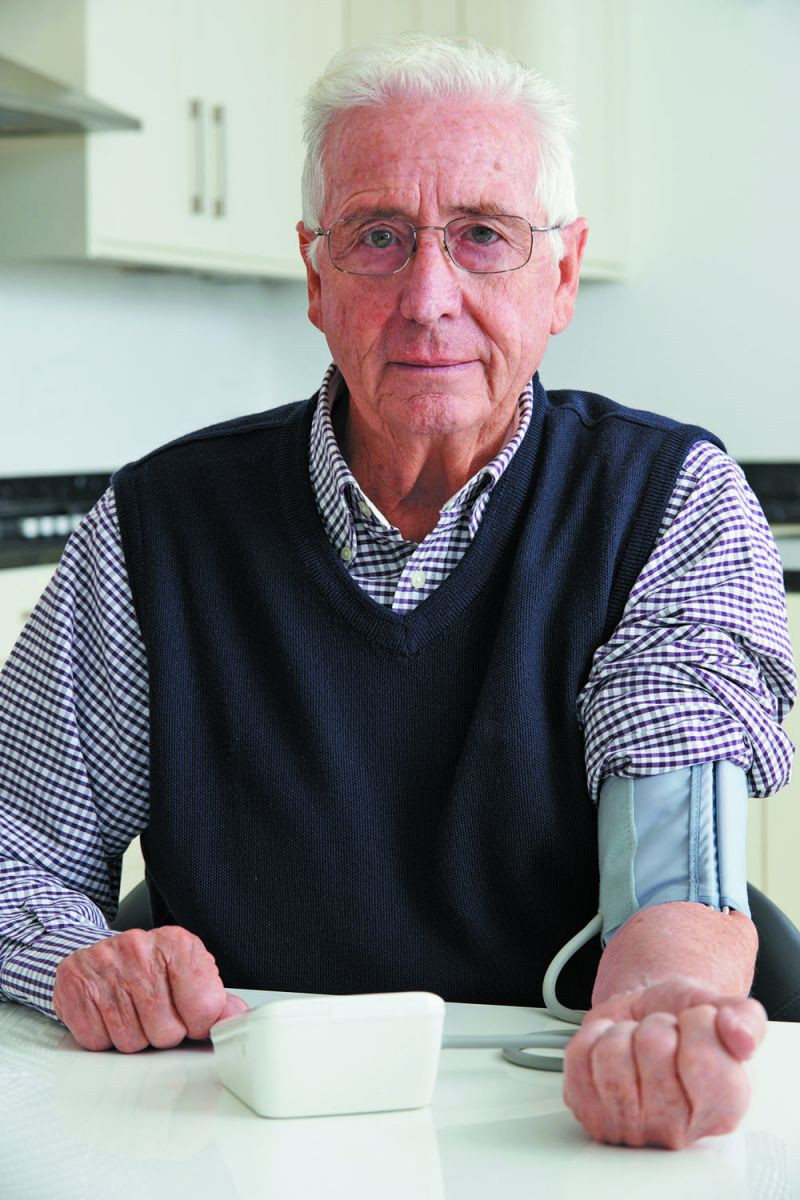
Choosing and using a home blood pressure monitor
These devices help you keep tabs on a key indicator of your cardiovascular health.
Of all the things you measure to assess your health, blood pressure certainly ranks among the most important. High blood pressure not only puts you at risk for a heart attack or a stroke, but also can damage your brain, eyes, and kidneys.
For some people with this common condition, checking blood pressure intermittently at the doctor's office may not be enough. Investing in a simple, inexpensive home blood pressure monitor often makes sense. It's especially helpful when you're starting a new medication or are taking several different ones and still working to reach your blood pressure goal.

Resistant to aspirin?
Ask the doctor
Q. I recently started taking low-dose aspirin, per my doctor's advice. But I heard that for some people, aspirin doesn't help prevent heart attacks. Is this true, and is there any way to find out if I'm one of those people?
A. The phenomenon you're referring to is sometimes called aspirin resistance. However, true aspirin resistance is very uncommon. There are tests for the problem, but I don't recommend them.
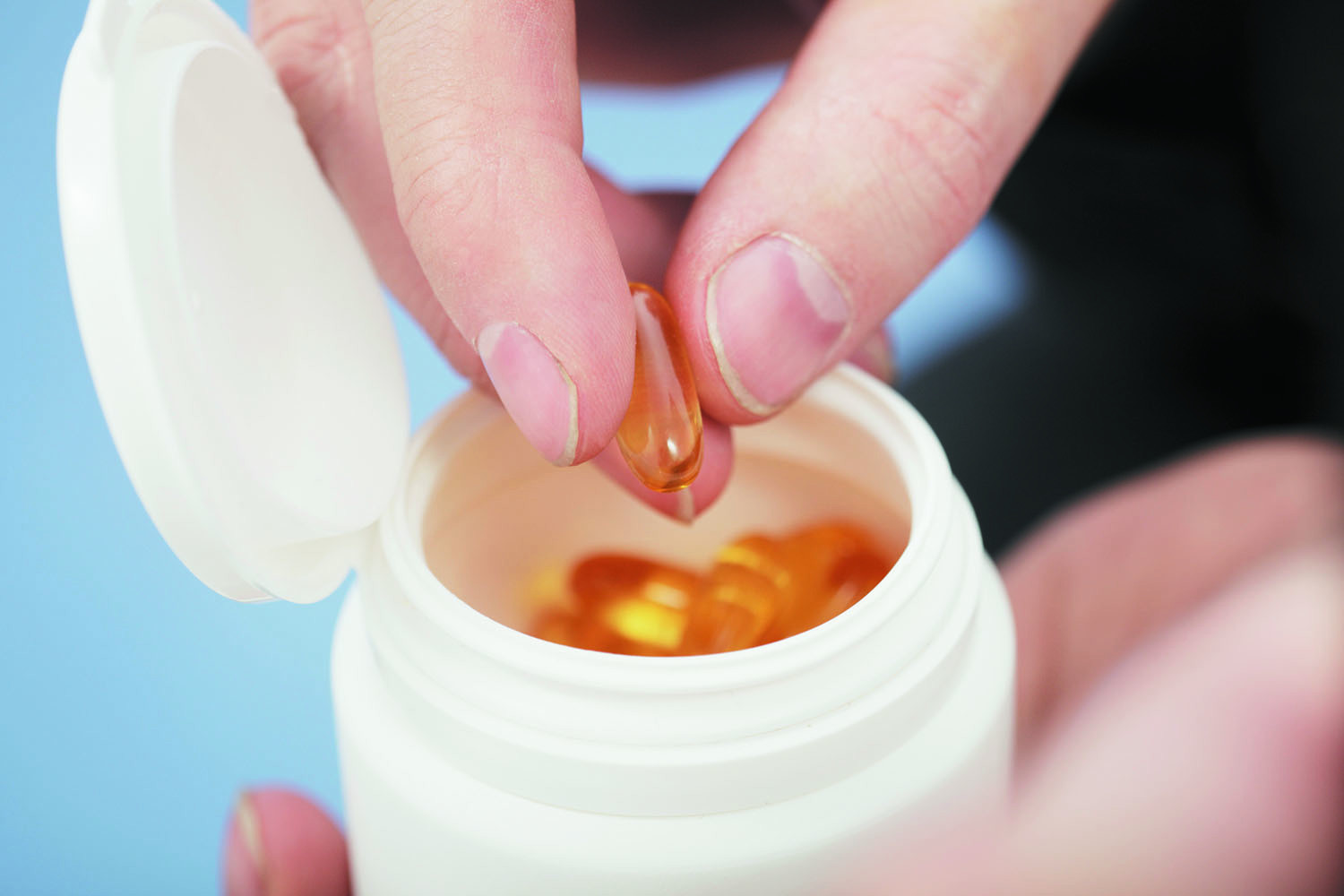
Should you consider taking a fish oil supplement?
The net benefit of these popular supplements is very limited.
Image: © stocksnapper/Thinkstock
Millions of Americans swallow an amber-colored capsule of fish oil each day, lured by its alleged health benefits. In the supplement aisle of most pharmacies, supermarkets, and big-box stores, the shelves are crowded with different brands of fish oil supplements (see "Fish oil: A brief history"). Many tout benefits for the heart. In fact, the label of one popular brand includes the phrase "May reduce coronary heart disease risk."
But those bold marketing claims haven't caught up with the latest science. Earlier this year, the American Heart Association (AHA) issued an updated advisory about fish oil supplements and their cardiovascular benefits. Their verdict: Fish oil supplements may slightly lower the risk of dying of heart failure or after a recent heart attack. But they do not prevent heart disease. (A separate AHA advisory about fish consumption is slated for release in 2018.)
CoQ10: Should you take this popular supplement if you're on a statin?
Oat vs. dairy milk: Nutrition, benefits, and downsides
Microplastics: A hidden health threat?
Healing after food poisoning
What is tempeh? Benefits, nutrition, and how to use it
Light exposure at night may raise risk for heart disease
Whole grains may improve several heart risk factors at once
A lumbar belt may help ease low back pain
Children of centenarians may stay healthier and live longer too, study finds
Signs of pneumonia: Sometimes vague and unexpected
Free Healthbeat Signup
Get the latest in health news delivered to your inbox!
Sign Up
