

CoQ10: Should you take this popular supplement if you're on a statin?

Oat vs. dairy milk: Nutrition, benefits, and downsides

Microplastics: A hidden health threat?

Healing after food poisoning

What is tempeh? Benefits, nutrition, and how to use it

Light exposure at night may raise risk for heart disease

Whole grains may improve several heart risk factors at once

A lumbar belt may help ease low back pain

Children of centenarians may stay healthier and live longer too, study finds

Signs of pneumonia: Sometimes vague and unexpected
Heart Health Archive
Articles
After a stroke with no clear cause, a heart repair may be in order
Closing a gap inside the heart may help prevent a rare type of stroke from recurring.
Image: Adapted from © rabbitteam/Thinkstock
Most strokes occur when a clot blocks blood flow to part of the brain. Often, doctors can tell what caused the clot to form. But about a quarter of the time — especially in people younger than 60 — there is no obvious reason. These types of strokes are known as cryptogenic (meaning "of hidden origin").
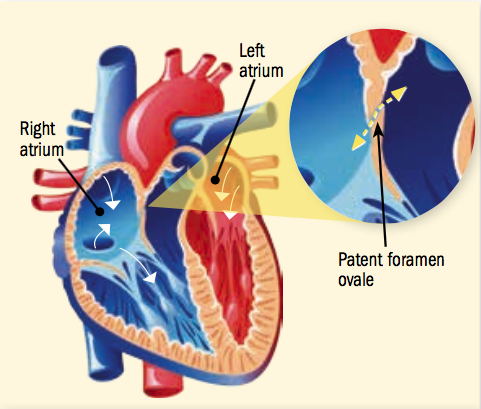
One possible cause underlying a cryptogenic stroke is an opening in the wall that separates the heart's right and left upper chambers (atria). Known as a patent foramen ovale, or PFO, this flaplike opening is quite common. About one-quarter of all adults have a PFO (see "What is a patent foramen ovale?").
Targeting inflammation: A missing link in heart treatments
A novel anti-inflammatory drug may discourage repeat heart attacks.
Image: © vchal/Thinkstock
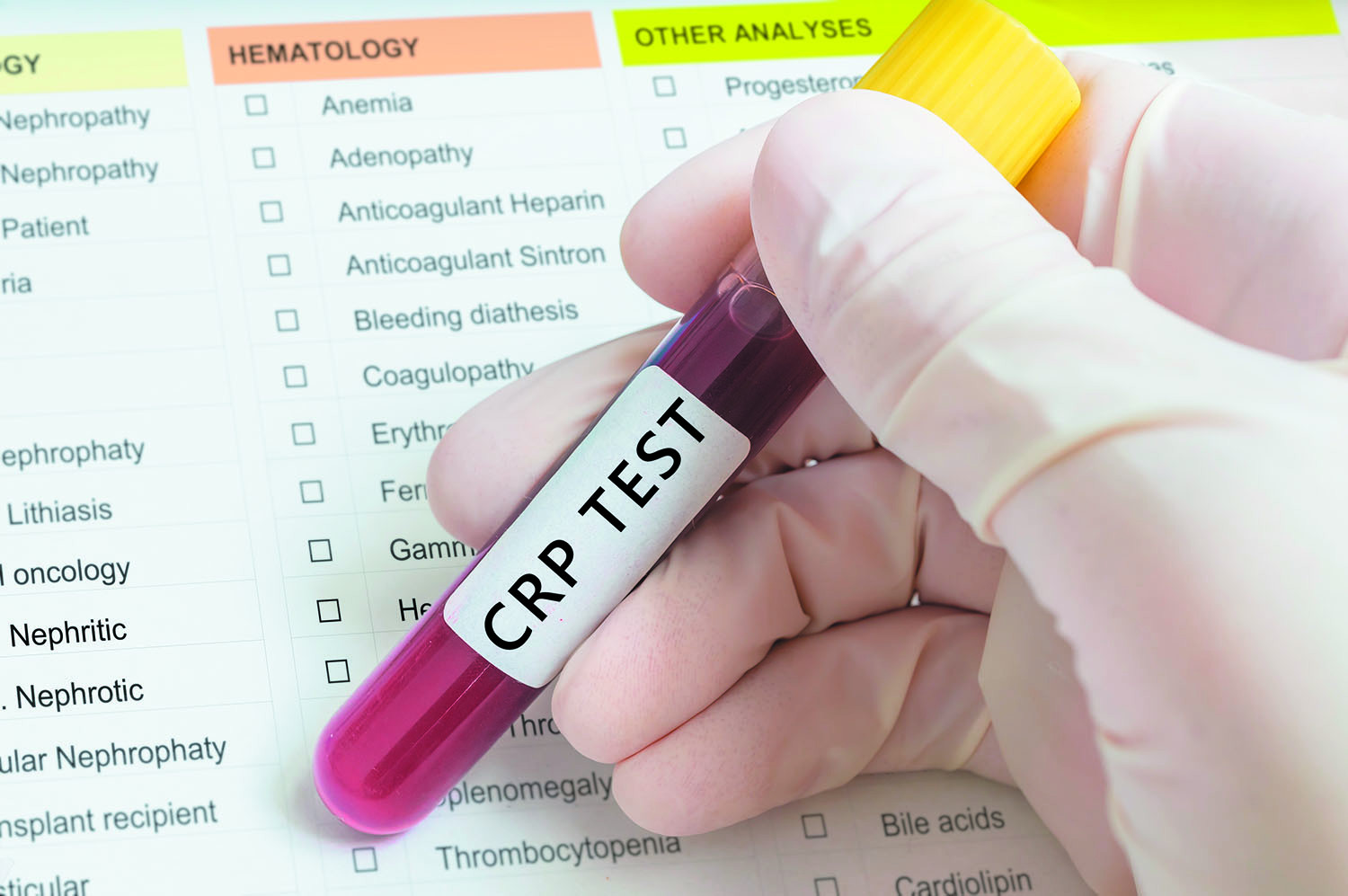
Inflammation grabbed the attention of researchers a couple of decades ago as a primary culprit in the progression of cardiovascular disease. However, identifying a drug therapy that leverages this link has been more elusive. With the results of the recent Canakinumab Anti-inflammatory Thrombosis Outcomes Study (CANTOS), published in the Sept. 21, 2017, issue of The New England Journal of Medicine, it appears that the dots are finally beginning to connect.
"For the first time, we have an anti-inflammatory therapy that can reduce the chance that a person who has already had a heart attack will have a repeat occurrence," says Dr. Peter Libby, a cardiologist at Harvard-affiliated Brigham and Women's Hospital. "This opens up a new field of treatment and offers hope to our patients." He is one of the co-authors of the study, which was led by his colleague and fellow Harvard Medical School professor Dr. Paul Ridker.
When you look for cancer, you might find heart disease
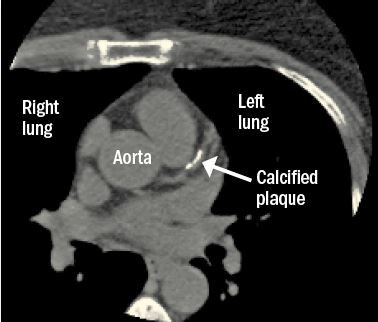
Screening tests for lung and breast cancer—chest computed tomography (CT) scans and mammograms—may offer clues about a person’s risk of heart disease.

Meditation may help lower heart disease risk
Research we're watching
Image: © Svetlana Braun/Thinkstock
The ancient, mind-calming practice of meditation may have a role in reducing the risk of heart disease. So says a scientific statement from the American Heart Association in the Sept. 28, 2017, Journal of the American Heart Association.
Experts reviewed dozens of studies published over the past two decades. The results suggest that meditation may improve a host of factors linked to heart disease, including stress, anxiety, depression, poor sleep quality, and high blood pressure. It may also help people stop smoking. An added bonus: it's low-cost and poses no apparent risk.

Why walnuts may help with weight loss
Research we're watching
Image: © Boonchuay1970/Thinkstock
Noshing on a handful of nuts on most days of the week has been linked to a lower risk of obesity and heart disease. New research may help explain why: walnuts appear to activate a brain region involved in appetite and impulse control.
For the study, nine people with obesity drank a smoothie that contained about 14 ground walnut halves or a placebo smoothie (identical in taste and calories) for five consecutive days. After a month on their regular diets, the participants returned for another five days, during which the placebo group drank walnut smoothies and vice versa. On day five of both periods, they underwent brain imaging tests while looking at pictures of desirable foods (such as burgers and cake), less desirable foods (vegetables), or neutral pictures of rocks and trees.


Heart failure and potassium
Your body depends on the mineral potassium for many bodily functions, including keeping control of the electrical balance of your heart, metabolizing carbohydrates, and building muscle.
Low potassium levels can cause muscle weakness and heartbeat irregularities. On the other hand, too much potassium can cause your heart to stop.
Weighing the risks and benefits of aspirin therapy
It may help prevent a heart attack or stroke, but it comes with the risk of bleeding.
Image: © Garsya/Thinkstock
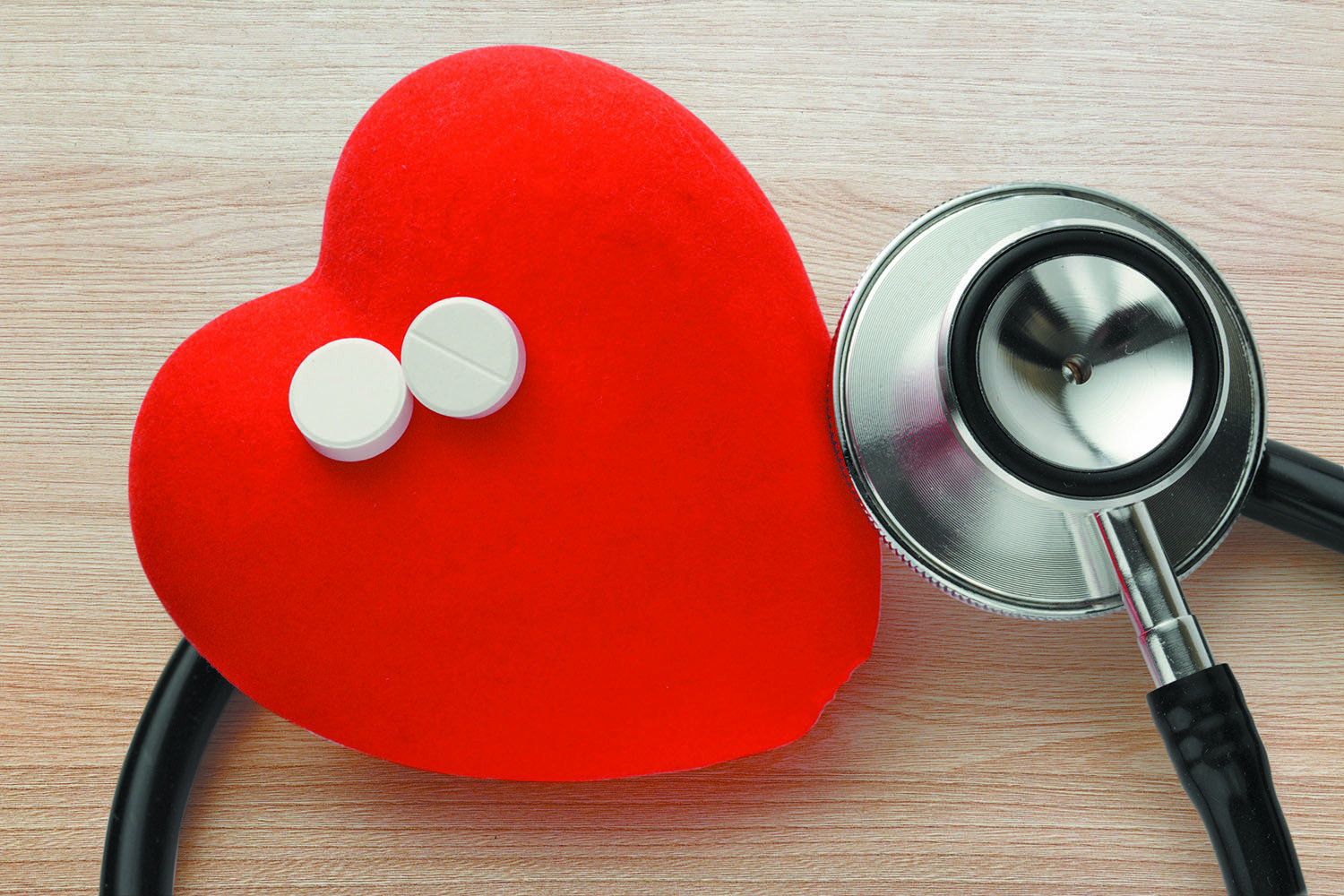
Maybe you've heard about people who take a low-dose aspirin each day to ward off heart problems. Since aspirin is a medicine you've probably used now and then without a problem, and since it is available without a prescription, you might consider trying a daily low-dose aspirin yourself. Don't do it. Unlike deciding to take a multivitamin, taking a daily aspirin isn't something you should decide to do on your own.
Aspirin therapy is typically prescribed to people who have atherosclerosis of the arteries of the heart or brain, or risk factors for such disease. Just who should take a daily aspirin, how much aspirin, and what type of aspirin are hotly debated issues, with clinical trials under way in search of answers. "Until those results are in, you should talk to your doctor before starting aspirin," says Dr. Deepak Bhatt, a cardiologist and the editor in chief of the Harvard Heart Letter.

Don’t just sit there, move more!
Even if you exercise regularly, sitting for long periods during the day is unhealthy for your heart.
Image: © Jupiterimages/Thinkstock
On average, we spend more than half of our waking hours sitting down: working at a computer, watching television, traveling in a car, or doing other sedentary things such as reading or chatting with friends. But long stretches of uninterrupted sitting have a range of undesirable effects that may harm your heart, says Dr. Beth Frates, who directs wellness programming for the Stroke Research and Recovery Institute at Harvard-affiliated Spaulding Rehabilitation Hospital.
"Sedentary behavior affects your body in many different ways, even down to the molecular level," she notes.

What is a “full metal jacket”?
Ask the doctor
Image: © MileA/Thinkstock
Q. I heard my cardiologist say to another doctor that I have a "full metal jacket." What does that mean?
A. Cardiologists use the term "full metal jacket" to refer to a long series of stents in one of the heart's three major arteries. Stents are tiny metal cylinders, often with drug coatings, that help prop open arteries to restore blood flow to the heart. They're placed inside arteries during an angioplasty, in which a doctor snakes a thin, flexible tube (catheter) through the blood vessels to a narrowed section. A deflated balloon at the tip of the catheter then inflates, pushing fatty plaque against the artery wall and expanding the stent.
CoQ10: Should you take this popular supplement if you're on a statin?
Oat vs. dairy milk: Nutrition, benefits, and downsides
Microplastics: A hidden health threat?
Healing after food poisoning
What is tempeh? Benefits, nutrition, and how to use it
Light exposure at night may raise risk for heart disease
Whole grains may improve several heart risk factors at once
A lumbar belt may help ease low back pain
Children of centenarians may stay healthier and live longer too, study finds
Signs of pneumonia: Sometimes vague and unexpected
Free Healthbeat Signup
Get the latest in health news delivered to your inbox!
Sign Up
