

CoQ10: Should you take this popular supplement if you're on a statin?

Oat vs. dairy milk: Nutrition, benefits, and downsides

Microplastics: A hidden health threat?

Healing after food poisoning

What is tempeh? Benefits, nutrition, and how to use it

Light exposure at night may raise risk for heart disease

Whole grains may improve several heart risk factors at once

A lumbar belt may help ease low back pain

Children of centenarians may stay healthier and live longer too, study finds

Signs of pneumonia: Sometimes vague and unexpected
Heart Health Archive
Articles

Beta blocker blues?
Ask the doctor
Q. My doctor added metoprolol to the diuretic medication I'm taking for my high blood pressure. Ever since then, I've felt more tired than usual, and my wife says I seem a little depressed. Could the new drug be to blame, and if so, is there anything I can do about it?
A. Metoprolol (Lopressor, Toprol) belongs to a class of drugs known as beta blockers. These drugs — which make the heart beat slower and with less force — used to be given as a first-choice treatment for high blood pressure. But they can cause fatigue and depression in some people, as well as other side effects, such as erectile dysfunction.

Should you stop anti-clotting drugs before a procedure?
Because many factors are involved, make sure your doctors talk to each other if you need an invasive test or procedure.
Image: © thodonal/Thinkstock
Millions of people with cardiovascular disease take drugs that help prevent blood clots, which can lodge in a vessel and choke off part of the blood supply to a leg, a lung, or the brain. These potentially lifesaving medications, known generally as anticoagulants, include warfarin (Coumadin) and a class of drugs called non–vitamin K antagonist oral anticoagulants, or NOACs (see "Anti-clotting drugs: The old and the new").
However, if you're taking one of these drugs and need an invasive procedure — anything from a tooth extraction to a hip replacement — managing the risks can be tricky, says cardiologist Dr. Gregory Piazza, assistant professor of medicine at Harvard Medical School. "There's a higher-than-normal risk of bleeding during and after the procedure, because your blood doesn't clot as easily," he says.
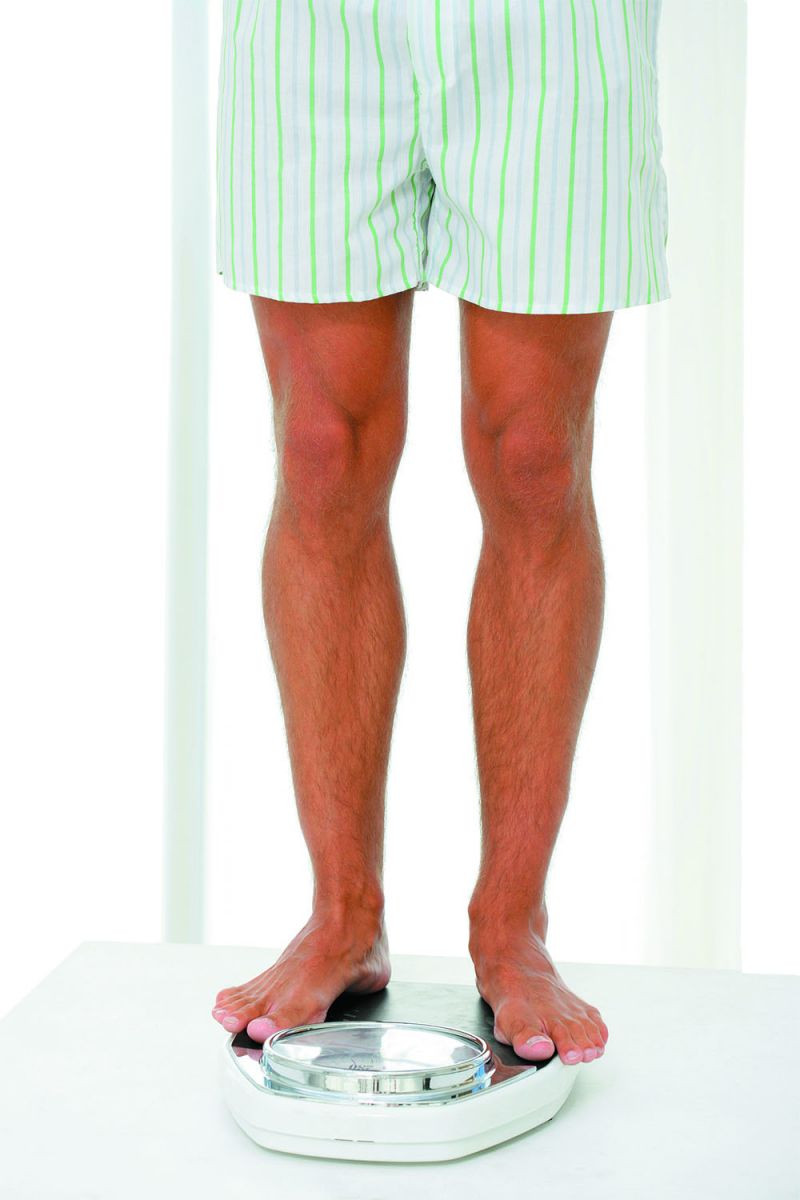
Overweight vs overfat: Is your scale lying to you?
You may be storing unhealthy amounts of visceral fat even if your weight appears normal.
For decades, the body mass index (BMI) has been the gold standard for gauging obesity-related heart disease risk. But this handy tool doesn't always tell the whole story. It extrapolates your body fat percentage based on your height and weight (see www.health.harvard.edu/bmi-calculator). But the formula can't assess how or where your body stores its excess fat — a distinction that is crucial for cardiovascular health. By some estimates, the BMI misclassifies nearly 50% of people who are at higher disease risk from excess fat, meaning that you can be overfat even when you're not overweight.
The secret life of belly fat
Some people are genetically programmed to have a lot of fat tissue under the skin, which is deployed to store extra food energy during times of scarcity. But other people have very few of these designated fat cells, explains Dr. Christos Mantzoros, professor of medicine at Harvard-affiliated Beth Israel Deaconess Medical Center.
Midlife heart health shows a link with future risk of dementia
Factors that harm your heart may be bad for your brain.
Image: © Nik01ay/Thinkstock
During middle age, factors that leave you prone to a heart attack or stroke — high blood pressure, diabetes, and smoking — may raise your risk of developing dementia a quarter-century later, new research suggests. All three things affect your vascular (blood vessel) health.
The recent study, which adds to the growing evidence linking heart health to brain health, has elements that make findings especially reliable, says Dr. Gad Marshall, a Harvard Medical School assistant professor of neurology. "For understanding the vascular risks for dementia, this study is as close to definitive as we can get," he says.

Plant-based diets that protect your heart
Limiting animal-derived foods is only part of the story.
Image: © AnnaPustynnikova/Thinkstock
If you're not totally sure what constitutes a plant-based diet, you're not alone. Many people believe a plant-based diet means a vegetarian diet — a family of eating patterns that omits some or all foods that come from animals (see "Vegetarian variations").
But plant-based diets don't necessarily exclude animal-derived foods. While the main focus is on plants — grains, vegetables, fruits, legumes (dried beans and peanuts), and nuts — these diets may include limited amounts of fish, meat, poultry, and dairy products.
“Fat but fit” still face higher heart disease risk
Research we're watching
People who carry excess weight but have normal blood pressure, blood sugar, and cholesterol values are sometimes dubbed "fat but fit." But they're still more likely to develop heart disease than people who aren't overweight, a new study suggests.
Researchers analyzed more than 7,600 cases of heart disease that occurred over a 12-year period in 10 European countries. They also used data from 10,000 healthy people without heart disease as a comparison group. Compared with people at a healthy weight, those who were overweight or obese had up to a 28% higher risk of developing heart disease.

Artificial sweeteners: No help, possible harm?
Research we're watching
Image: © Highwaystarz-Photography/Thinkstock
Close to a third of Americans say they use artificial sweeteners on a daily basis. Popular examples include aspartame (Equal, NutraSweet), sucralose (Splenda), and stevia (Truvia, Pure Via). They're all available in packets and are also added to soda, yogurt, and other foods.
But do these sugar substitutes actually help you lose weight? New research suggests they do not. In fact, these zero-calorie additives may have the opposite effect — and possibly even increase the risk of high blood pressure, diabetes, and heart disease.
Marijuana linked to high blood pressure risk
Research we're watching
People who smoke marijuana may face a higher risk of dying of complications of high blood pressure than people who never use the drug, new research suggests.
The study included 1,213 people ages 20 and older who were part of a larger national health survey that began in 2005. Those who said they'd ever used marijuana (57%) were considered users. Researchers then looked at data on different causes of death in 2011 and estimated the association between marijuana use with death from high blood pressure, heart disease, and stroke.

Overcoming resistant hypertension
As men live longer, more face the challenge of difficult-to-control high blood pressure.
Image: © KatarzynaBialasiewicz/Thinkstock
High blood pressure, or hypertension, remains a common health issue for a majority of older men.
In fact, approximately 54% to 67% of men ages 65 and older suffer from the condition, which occurs when your systolic pressure (the top number on a blood pressure reading) is 140 mm Hg or higher, and your diastolic pressure (the bottom number) is 90 mm Hg or higher, according to the American Heart Association.
Is my blood pressure too low?
Ask the doctors
Q. The July 2017 issue of Harvard Women's Health Watch spoke about the potential problems related to low blood pressure when taking blood pressure medication. My readings meet the definition of low blood pressure outlined in the article, but I don't take any medication. Should I be concerned, and if so, what should I do to raise my blood pressure?
A. In general, blood pressure is deemed too low only if it causes symptoms. A normal blood pressure is defined as a reading below 120/80 millimeters of mercury (mm Hg), and some experts consider your blood pressure low only if it dips below 90/60 mm Hg. However, a low reading can be normal for some people. Your doctor probably won't be too concerned about it unless it occurs suddenly; you have an underlying health condition that could cause low blood pressure, such as heart failure; or you are experiencing symptoms such as dizziness, lightheadedness, fainting, fatigue, or nausea. Some medications, such as diuretics (water pills), some antidepressants, and beta blockers, among others, can also cause low blood pressure. But since you aren't taking any medication, this is not an issue. If you are having symptoms related to your low blood pressure, this is something you definitely want to mention to your doctor. But if you've always had low blood pressure and you're not experiencing any problems, it's likely that this is normal for your body.
CoQ10: Should you take this popular supplement if you're on a statin?
Oat vs. dairy milk: Nutrition, benefits, and downsides
Microplastics: A hidden health threat?
Healing after food poisoning
What is tempeh? Benefits, nutrition, and how to use it
Light exposure at night may raise risk for heart disease
Whole grains may improve several heart risk factors at once
A lumbar belt may help ease low back pain
Children of centenarians may stay healthier and live longer too, study finds
Signs of pneumonia: Sometimes vague and unexpected
Free Healthbeat Signup
Get the latest in health news delivered to your inbox!
Sign Up
