

CoQ10: Should you take this popular supplement if you're on a statin?

Oat vs. dairy milk: Nutrition, benefits, and downsides

Microplastics: A hidden health threat?

Healing after food poisoning

What is tempeh? Benefits, nutrition, and how to use it

Light exposure at night may raise risk for heart disease

Whole grains may improve several heart risk factors at once

A lumbar belt may help ease low back pain

Children of centenarians may stay healthier and live longer too, study finds

Signs of pneumonia: Sometimes vague and unexpected
Heart Health Archive
Articles

What a drag: The dangers of a daily cigarette
Research we're watching
Smoking just one cigarette a day appears to raise the risk of heart disease and stroke by between 48% and 74%, according to a study in the Jan. 24, 2018, issue of The BMJ.
Researchers pooled data from 141 studies done in 21 countries and regions, together involving millions of people. They analyzed the risks associated with smoking one, five, or 20 cigarettes per day, taking into account age, sex, and other possible confounding factors. Just one cigarette per day accounted for half of the risk seen with smoking 20 cigarettes a day in men, and for one-third of the risk in women, they discovered.

Statin use: Uncommon in younger heart attack patients
Research we're watching
Cholesterol-lowering statins may be underused in younger people at risk for heart attack, new research suggests.
The study, in the Jan. 23, 2018, Journal of the American College of Cardiology, included more than 1,600 people ages 50 and younger who had experienced a heart attack. Only one in eight was taking a statin before the heart attack.

How does my health compare with President Trump’s?
On call
Image: © donskarpo/Getty Images
Q. I am about the same age as President Trump, and I also had a recent physical. My LDL (bad) cholesterol reading was 136, which my doctor thought was too high. But Mr. Trump's doctor said his LDL cholesterol of 143 was "excellent." Which is it?
A. The report of President Trump's health status brought out many armchair cardiologists — and real cardiologists — to comment on his cholesterol levels and risk for heart disease. The White House doctor's report stated that the president's "heart health" (not his cholesterol) was deemed excellent based on a normal exercise test and heart ultrasound. However, his LDL level of 143 was felt to be too high, and his doctor recommended doubling the president's statin medication. While the president doesn't show evidence of current heart disease, what is his future risk? A 71-year-old man with his cholesterol value would have a 10-year risk of heart attack, stroke, or cardiac death of 16% (about a one-in-six chance).
Can the flu increase my heart attack risk?
On call
Q. There has been a lot of talk about the severity of this flu season, and I recently heard that influenza also can trigger a heart attack. Should I worry?
A. Influenza is responsible for about 10,000 to 20,000 annual deaths, mostly from pneumonia or internal organ failure. In other situations, influenza infection strains a person's health, which can worsen underlying conditions, such as heart disease.
Omega-3 supplements might offer little help against heart attacks
In the journals
Taking a daily omega-3 fatty acid supplement might not reduce your chance of heart attacks or strokes if you already have heart disease or are at high risk for it, suggests a meta-analysis published online Jan. 31, 2018, by JAMA Cardiology.
The researchers compared 10 trials that included almost 78,000 people, approximately 47,000 of whom were men, with an average age of 64. Each trial involved at least 500 people who took daily doses of either an omega-3 fatty acid supplement or a placebo for at least a year. All participants had heart disease, had experienced a stroke, or were at high risk for these conditions.
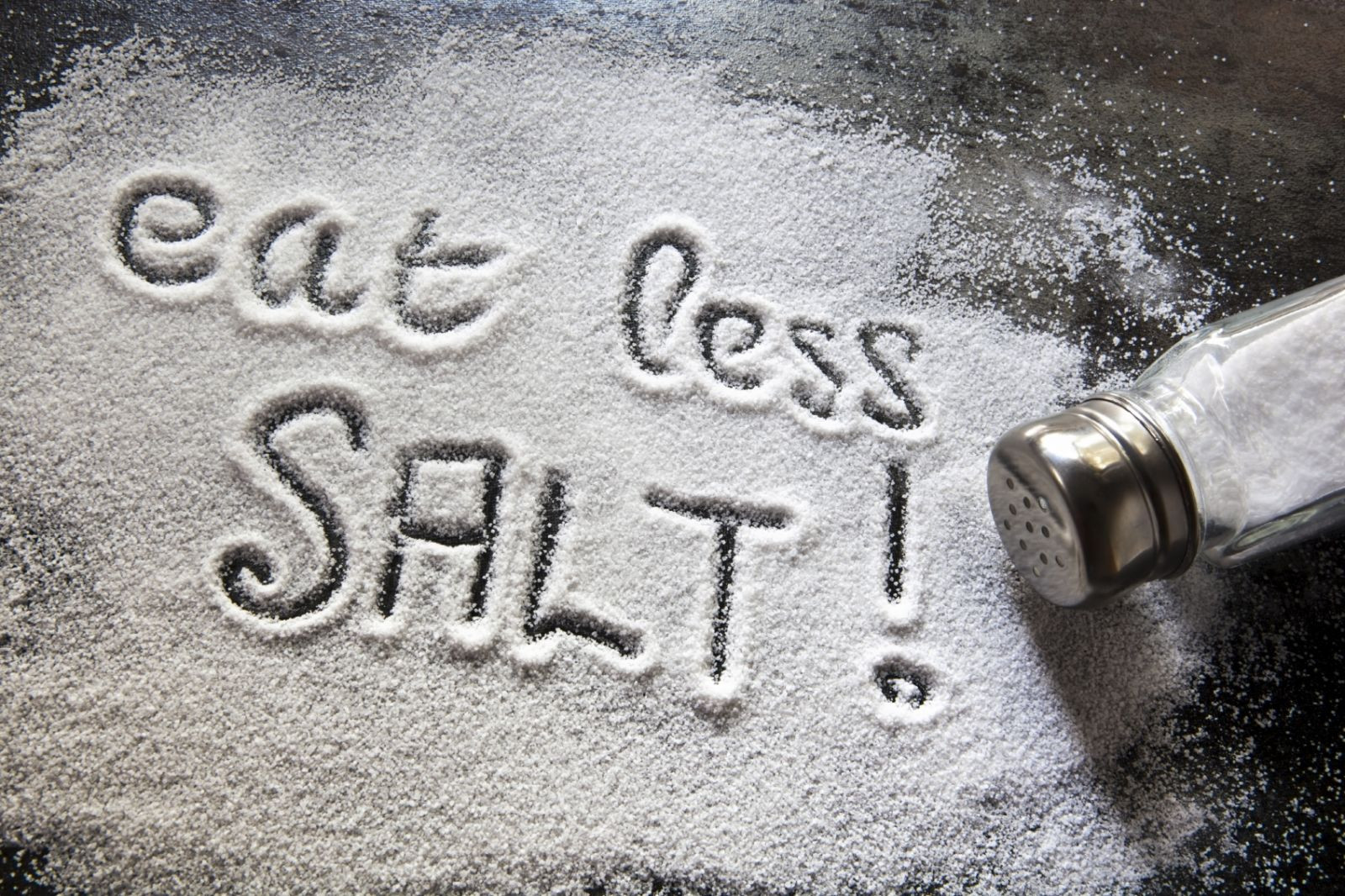
5 ways to use less salt
Salt is essential to the body. The sodium in salt helps transmit nerve impulses and contract muscle fibers. It also works with potassium to balance fluid levels in in the body. But you need only a tiny amount of salt to do this — less than one-tenth of a teaspoon per day. The average American gets nearly 20 times that much.
The body can generally rid itself of excess sodium. In some people, though, consuming extra sodium makes the body hold on to water. This increases the amount of fluid flowing through blood vessels, which can increase blood pressure.

Beyond the morning buzz: How does coffee affect your heart?
Drinking a few cups a day seems to be safe for most people. But evidence that coffee protects your heart is pretty weak.
Image: © Kritchanut/Getty Images
Java junkies may have perked up after hearing that drinking coffee may lower heart disease risk. But are there grounds to support this claim?
In recent years, researchers have observed that people who drink about three cups of coffee daily may be slightly less likely to develop heart disease or to die from it than people who avoid the aromatic brew. A review article in the Nov. 22, 2017, issue of The BMJ that included nearly 300 studies on the health effects of coffee came to a similar conclusion. However, as the authors point out, their findings can't prove cause and effect. In the absence of long-term, randomized trials that assign people to drink coffee or not, it's impossible to say whether the popular drink (or some other factor) led to the lower heart risk.

Stepping up treatments for PAD
Proven therapies for this painful leg problem should soon be more accessible.
Image: © stevecoleimages/Getty Images
When fatty deposits clog the arteries that supply blood to the legs, even a short walk can cause leg cramping and pain. This condition, called claudication, comes from the Latin word claudicatio, meaning "to limp." It's the hallmark of peripheral artery disease, or PAD, which affects roughly one in seven people over the age of 60.
People with PAD are also likely to have clogged arteries (atherosclerosis) in the heart. In fact, they may be even more prone to heart attacks and strokes than people with heart disease who have already had one of those problems.

Tracing the heart’s electrical signature
When, why, and how you might get an electrocardiogram.
Although the first recorded electrocardiogram dates back more than a century, this noninvasive test remains one of medicine's essential tools. It's quick and painless, produces results right away, and helps diagnose dozens of heart conditions. Any heart-related symptoms, such as chest pain or palpitations, warrant an electrocardiogram, also known as an ECG or EKG (from the German elektrokardiogramm).
Some primary care providers include an ECG as part of an annual physical exam. Last year, the U.S. Preventive Services Task Force (USPSTF) recommended against routine ECGs in people at low risk of heart disease. But what about people at higher risk, such as those with high blood pressure, elevated cholesterol levels, or even just advancing age? For them, the jury's still out, according to the USPSTF. One possible reason: the task force set a high bar — looking for conclusive proof that a routine ECG led directly to an improvement in outcomes, such as complications related to coronary artery blockages.
CoQ10: Should you take this popular supplement if you're on a statin?
Oat vs. dairy milk: Nutrition, benefits, and downsides
Microplastics: A hidden health threat?
Healing after food poisoning
What is tempeh? Benefits, nutrition, and how to use it
Light exposure at night may raise risk for heart disease
Whole grains may improve several heart risk factors at once
A lumbar belt may help ease low back pain
Children of centenarians may stay healthier and live longer too, study finds
Signs of pneumonia: Sometimes vague and unexpected
Free Healthbeat Signup
Get the latest in health news delivered to your inbox!
Sign Up
