

CoQ10: Should you take this popular supplement if you're on a statin?

Oat vs. dairy milk: Nutrition, benefits, and downsides

Microplastics: A hidden health threat?

Healing after food poisoning

What is tempeh? Benefits, nutrition, and how to use it

Light exposure at night may raise risk for heart disease

Whole grains may improve several heart risk factors at once

A lumbar belt may help ease low back pain

Children of centenarians may stay healthier and live longer too, study finds

Signs of pneumonia: Sometimes vague and unexpected
Heart Health Archive
Articles

Noisy workplaces may boost cardiovascular risk factors
Research we're watching
Is your workplace noisy? You may want to keep close tabs on your blood pressure and cholesterol. A CDC study published in the American Journal of Industrial Medicine found that high cholesterol and high blood pressure were more common among workers who toiled in noisy environments.
The study found that 25% of U.S. workers surveyed reported experiencing noise exposure at work. The noisiest industries included mining, construction, and manufacturing.

Choosing life with a VAD (ventricular assist device)
Despite the challenges of needing to use a battery-operated ventricular assist device (VAD) for heart failure, one man came to terms with his situation and found ways to adapt and enjoy his life as much as possible.

Clinicians sometimes misread heart attack symptoms in women
Research we're watching
Doctors may be more likely to dismiss heart attack symptoms as not heart-related in women younger than age 55, according to a study published online Feb. 20, 2018, by Circulation. This may be the case because women often report other symptoms in addition to chest pain, said the study's authors.
The researchers interviewed more than 2,000 women and 976 men ages 18 to 55 who were hospitalized for a heart attack — what doctors call acute myocardial infarction (AMI) — at 100 hospitals that are participating in a study. They found that both men and women reported chest pain and pressure, but women were more likely to have other symptoms as well, such as pain in the jaw, neck, and arms; indigestion; or shortness of breath. In addition, women were more likely than men to tell their doctors that they thought the symptoms might be stress-related.

Overcoming your barriers to exercise
Find ways to be more active — even if you have sore joints or other limitations.
Image: © Cecilie_Arcurs/Getty Images
You're probably well aware that exercise is the best way to keep your heart strong and healthy. Any activity that moves your muscles will raise your heart rate, making it better able to pump blood through your body. Over time, exercise enables your heart to beat slower and keeps your blood pressure under control.
But many people don't exercise regularly. Just over half of adults in the United States meet the recommended physical activity guidelines (see "Weekly physical activity goals"). Two of the main reasons people say they don't exercise are (1) not having enough time and (2) having joint pain, fatigue, or a chronic health condition.

What is long QT syndrome?
Ask the doctor
Image: © Shidlovski/Getty Images
Q. I was recently diagnosed with long QT syndrome, which was apparently caused by a medication I was taking. But I understand that there are also genetic causes for this problem. Can you tell me more about this disorder?
A. Long QT syndrome is a rare disorder of the heart's electrical system. Electrical signals coordinate your heartbeat, telling the heart to contract and relax to pump blood. After each beat, the heart's muscle cells are busy recharging themselves for the next contraction by moving sodium, potassium, and calcium through tiny pores on their surfaces.
Treatments for breast cancer may harm the heart
But surveillance and other strategies — especially exercise — can limit the risk.
Image: © Khuong Hoang/Getty Images
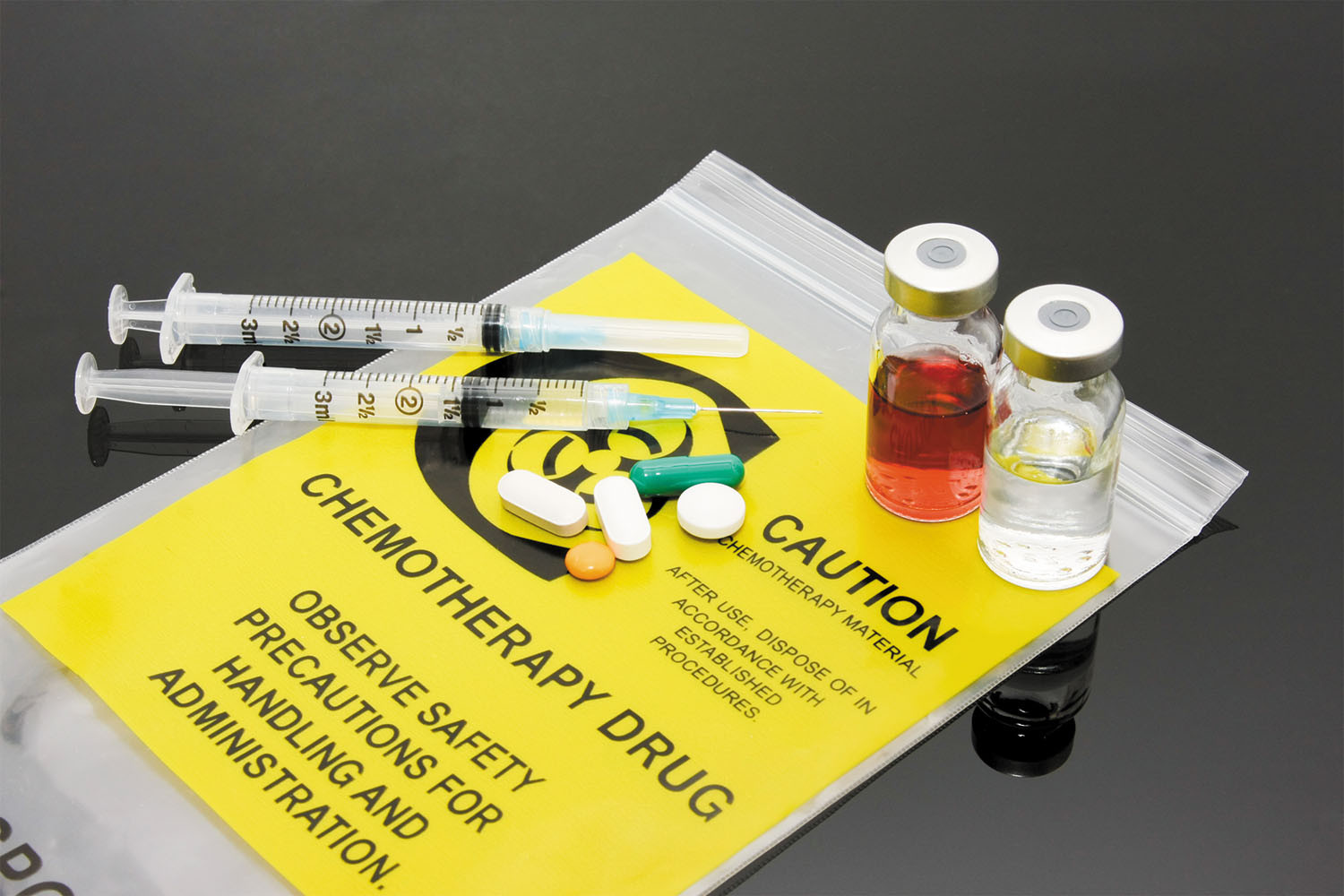
Better treatments for breast cancer have contributed to the growing number of breast cancer survivors, now about three million in the United States. However, these women may face a heightened risk of heart disease from the cardiotoxic effects of chemotherapy and radiation, according to a statement from the American Heart Association in the Feb. 20, 2018, issue of Circulation.
Doctors have long known that certain cancer drugs can decrease the heart's pumping ability, especially doxorubicin (Adriamycin) and trastuzumab (Herceptin), two common treatments for breast cancer. Many women receive radiation therapy as well, which can cause heart tissue to scar or stiffen, possibly leading to valve disorders, coronary artery disease, or other heart problems. But specialists who focus on keeping the heart healthy during and after cancer treatment — known as cardio-oncologists — can offer strategies to both prevent and treat heart damage from cancer therapy.

Vegetable of the month: Red cabbage
Image: © pjohnson1/Getty Images
Slivers of this vibrantly colored vegetable, also known as purple cabbage, are sometimes added to cabbage salads and coleslaw. But why not add red cabbage to any salad — or even make it the star ingredient?
Red cabbage contains substances called anthocyanins, which are responsible for the red-orange to blue-violet colors found in many fruits and vegetables. Population-based studies have linked a higher intake of anthocyanins and other so-called phytochemicals to a lower risk of cardiovascular disease.

Traffic noise linked to higher heart disease risk
Research we're watching
Image: © u_/Getty Images
Roaring jets, rumbling trains, and revving automobiles may have a detrimental effect on your cardiovascular health.
According to a review article in the Feb. 13, 2018, Journal of the American College of Cardiology, many studies have observed a connection between transportation-related noise and a slightly higher risk of high blood pressure, coronary artery disease, stroke, and heart failure. The association persists even after adjustment for possible confounding factors, such as air pollution and socioeconomic status.

Standing vs. sitting: Fewer pounds, less heart disease?
Research we're watching
Compared to sitting, standing burns slightly more calories — about 0.15 calories per minute. But that tiny difference adds up: a person who weighs 143 pounds could burn an extra 54 calories per day by standing instead of sitting for six hours, as researchers report in the Jan. 1, 2018, European Journal of Preventive Cardiology.
Assuming that person kept eating the same number of calories per day, that translates to 5.5 pounds of weight loss after one year. The estimate comes from data pooled from 46 different studies.

Weight loss and exercise may ease atrial fibrillation
Research we're watching
For people with atrial fibrillation, losing a little weight and getting exercise may improve their symptoms, according to a review published online Feb. 7, 2018, by The American Journal of Cardiology.
Atrial fibrillation (or afib) is a common heart rhythm disorder marked by a quivering or fluttering heartbeat, which can cause dizziness and breathlessness. Other symptoms include fatigue, weakness, and fainting.
CoQ10: Should you take this popular supplement if you're on a statin?
Oat vs. dairy milk: Nutrition, benefits, and downsides
Microplastics: A hidden health threat?
Healing after food poisoning
What is tempeh? Benefits, nutrition, and how to use it
Light exposure at night may raise risk for heart disease
Whole grains may improve several heart risk factors at once
A lumbar belt may help ease low back pain
Children of centenarians may stay healthier and live longer too, study finds
Signs of pneumonia: Sometimes vague and unexpected
Free Healthbeat Signup
Get the latest in health news delivered to your inbox!
Sign Up
