

Naturally gluten-free foods

Harvard study: Healthier fats linked to longer life after prostate cancer diagnosis

Shingrix shingles vaccine linked with lower heart disease risks

Estrogen-only hormone therapy tied to lower dementia risk

Should you have a hysterectomy?

Stair climbing may significantly lower cardiovascular risks

Why do I sweat so much?

Walking pneumonia: The "mild" illness that can still pack a punch

What causes knee pain: How doctors make a diagnosis

Where you carry excess weight matters in predicting heart disease risk
Heart Health Archive
Articles

Supplements used as statin alternatives pose safety issues
Research we're watching
Dietary supplements made from red yeast rice contain substances called monacolins, which are similar to the active ingredient in cholesterol-lowering statin drugs. And like statins, red yeast rice products may cause rare but serious side effects, such as muscle injury and liver damage, as noted in a study published online January 19, 2017, by the British Journal of Pharmacology.
The study, based on a review of 13 years of patient data by Italian researchers, notes that people who can't tolerate statins often take red yeast rice supplements. But there are no studies testing the safety of red yeast rice compared with statins. In the United States, the FDA considers red yeast rice products that contain more than trace amounts of monacolins to be unapproved new drugs and therefore illegal to sell. Yet dozens of these unregulated products remain on the market.
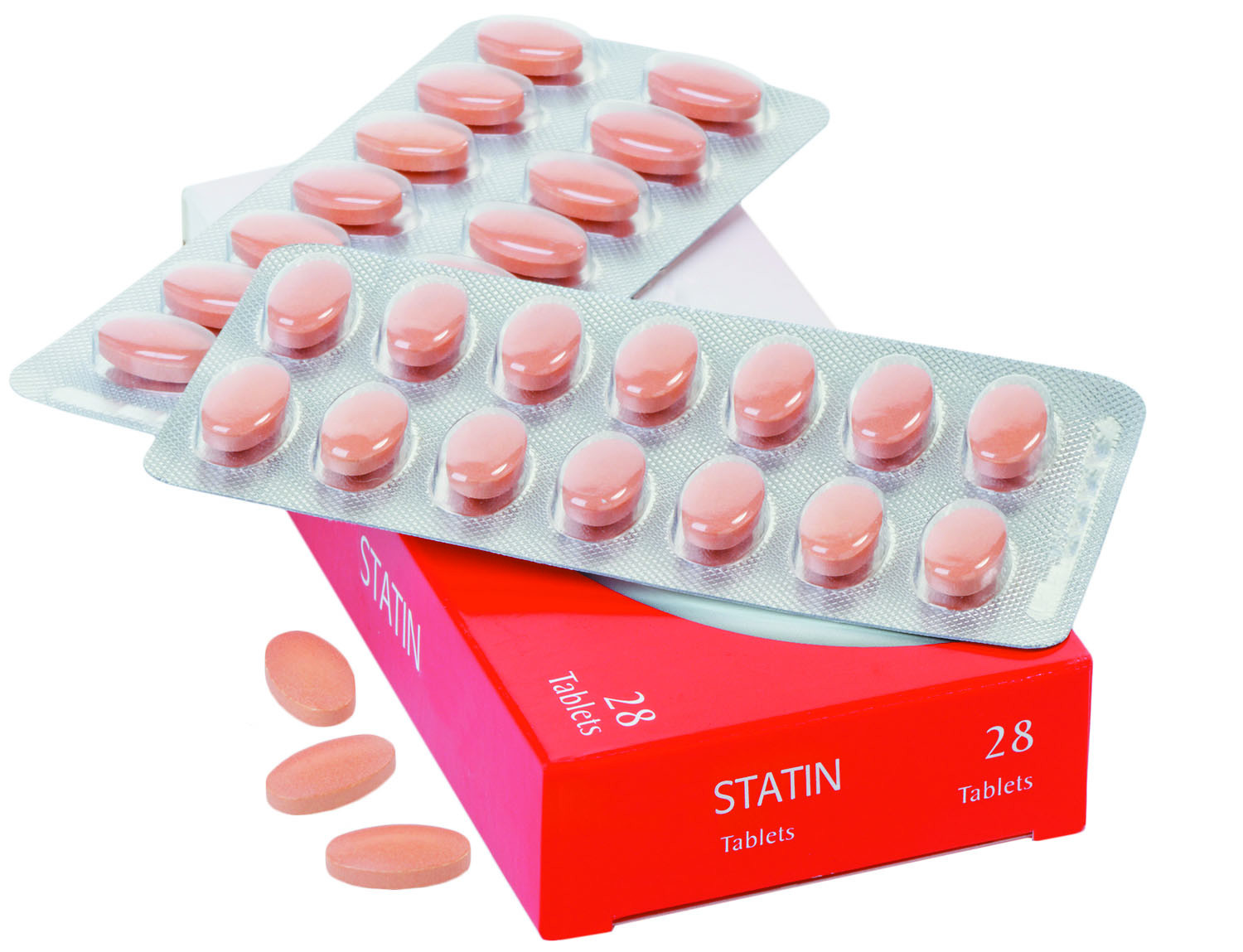
The new state of statins
Almost one-third of older adults take statins to help lower cholesterol levels, but new guidelines and research have restarted the conversation on the role statins play in your health.
Image: © rogerashford/Thinkstock
Since they were introduced two decades ago, statins have been touted as a driving force in helping many older men reduce their risk of heart attack and stroke.
New research even suggests these drugs might treat other conditions, like Alzheimer's disease, and lower your risk of death from cancer (see "Other statin uses?").

Blood pressure creeping up? How to bring it down without drugs
Lifestyle changes may reduce your need for pills.
For most of us, as the years increase, so does our blood pressure. By age 60, almost 65% of Americans will have high blood pressure. Although men are more likely to develop high blood pressure between ages 45 and 55, women are at greater risk after 65. Yet high blood pressure isn't an inevitable fact of later life. It's possible to slow the processes that drive blood pressure up. By doing so, you'll also reduce your risk of heart attack, stroke, and dementia.
Blood pressure reflects the amount of blood flowing through the vessels and the pressure exerted by the vessel walls against the blood. In a blood pressure reading, the top number represents the systolic pressure, recorded when the vessel contracts to push blood through. The bottom number represents the diastolic pressure, recorded when the vessels are relaxed. Over time, our blood vessels lose elasticity, and atherosclerotic plaque may build up in artery walls. Both of these trends make vessels stiffer. As vessels become less flexible, blood pressure is higher at any level of blood flow.

The Healthy Heart: Preventing, detecting, and treating coronary artery disease
Medications for heart disease
Although lifestyle changes are an essential first step in treating coronary artery disease, you may need to take medications to reach your cholesterol and blood pressure goals and otherwise reduce your risk. In fact, most people with heart disease need to take more than one medication. The specific combination of drugs will depend on your particular symptoms and risk factors. Some of the most commonly prescribed medications are described below.
Blood pressure medications
For many years, doctors used diuretics — sometimes known as water pills — to treat high blood pressure. Although diuretics remain a mainstay of blood pressure treatment because they are cheap and effective, a flood of other drugs have become available since the 1980s. In addition, a large meta-analysis comparing the various options concluded that the five categories of drugs currently available are equally effective for most people. Work with your doctor to determine the best type of medication for you.
Gender matters: Heart disease risk in women
Heart disease is the leading cause of death among women — and one of the most preventable. Research is giving us insights into how we can control our risk.
We've come a long way since the days when a woman's worry over heart disease centered exclusively on its threat to the men in her life. We now know it's not just a man's problem. Every year, coronary heart disease, the single biggest cause of death in the United States, claims women and men in nearly equal numbers.
Risk still underappreciated
In a survey conducted by the American Heart Association, about half of the women interviewed knew that heart disease is the leading cause of death in women, yet only 13% said it was their greatest personal health risk. If not heart disease, then what? Other survey data suggest that on a day-to-day basis, women still worry more about getting breast cancer — even though heart disease kills six times as many women every year. Why the disconnect?

C-Reactive Protein test to screen for heart disease: Why do we need another test?
The predictive powers of a cholesterol test only go so far. If your LDL is low, your C-reactive protein may be a better sign of impending heart trouble.
The gap between knowing what's good for you and actually doing it can be huge, especially when it comes to something like getting exercise. (Never underestimate the appeal of the sedentary life.) Many of us need a warning-some might say a bit of a kick in the pants-before we'll change our ways and get with a heart-healthy program.
Cholesterol Tests
For decades, cholesterol testing has served as that warning for many. An elevated level of "bad" LDL cholesterol has been just the warning people needed to change their ways. It has played that role for several reasons. People like tests because the results seem objective. Reliable measurement of cholesterol is easy and relatively inexpensive. It makes sense biologically. LDL cholesterol, a protein-wrapped package containing fat and cholesterol, tends to slip out of the bloodstream and lodge in blood vessel walls, forming the plaque that leads to clots and heart attacks.
Emergencies and First Aid - Cardiopulmonary Resuscitation
When you are alone and have to perform cardiopulmonary resuscitation (CPR), your primary effort should be compressing the chest to help the person's heart pump blood. If there is a second person helping, providing breaths can be done at the same time as compressions are performed.
The brief review of CPR on the following pages can help you in an emergency; however, this information should not take the place of a certified course in CPR.
Ask the doctor: Should I continue aspirin therapy if I do not have heart problems?
Aspirin therapy can help prevent a second heart attack and stroke, but for otherwise healthy older men, its use depends on their 10-year risk for a heart attack or stroke as determined by their doctor.
Possible link between shoulder problems and heart disease risk
Shoulder pain appears to be associated with risk factors for heart disease. Researchers found that people with the most heart disease risk factors, like high cholesterol, high blood pressure, and diabetes, were almost five times more likely to also have shoulder trouble.
Naturally gluten-free foods
Harvard study: Healthier fats linked to longer life after prostate cancer diagnosis
Shingrix shingles vaccine linked with lower heart disease risks
Estrogen-only hormone therapy tied to lower dementia risk
Should you have a hysterectomy?
Stair climbing may significantly lower cardiovascular risks
Why do I sweat so much?
Walking pneumonia: The "mild" illness that can still pack a punch
What causes knee pain: How doctors make a diagnosis
Where you carry excess weight matters in predicting heart disease risk
Free Healthbeat Signup
Get the latest in health news delivered to your inbox!
Sign Up
