

CoQ10: Should you take this popular supplement if you're on a statin?

Microplastics: A hidden health threat?

Oat vs. dairy milk: Nutrition, benefits, and downsides

What is tempeh? Benefits, nutrition, and how to use it

Healing after food poisoning

Children of centenarians may stay healthier and live longer too, study finds

Light exposure at night may raise risk for heart disease

Whole grains may improve several heart risk factors at once

A lumbar belt may help ease low back pain

Signs of pneumonia: Sometimes vague and unexpected
Heart Health Archive
Articles
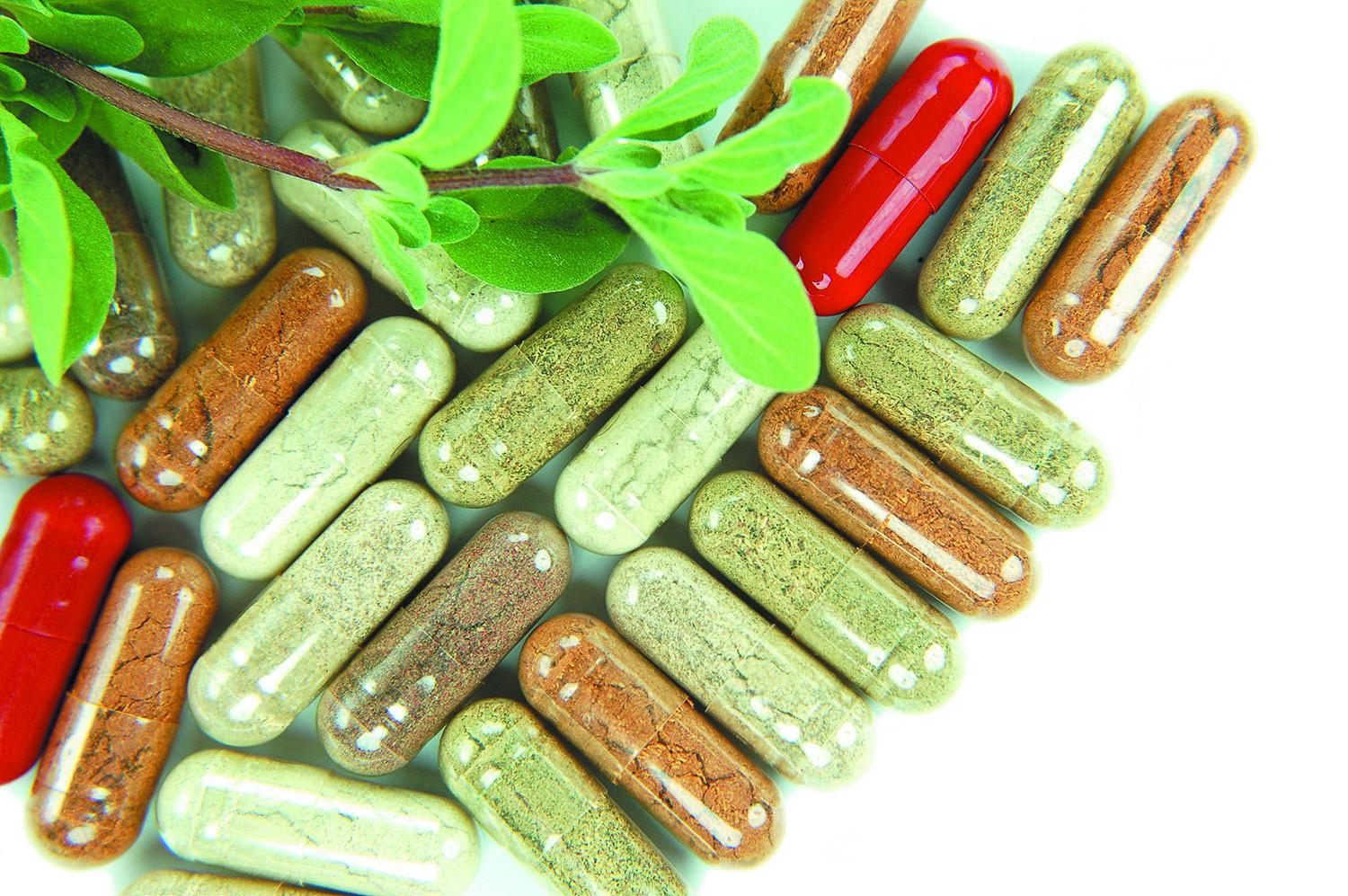
Herbal supplements and your heart: Proceed with caution
Dietary supplements and herbal remedies are big business. Unlike conventional drugs, these products do not undergo extensive testing before they can be sold. Many do not produce the health benefits they promise, and some cases are harmful.

Statin side effects: Is the power of suggestion at play?
Research we're watching
People in drug studies sometimes experience positive effects even when they take inactive, fake pills (the so-called placebo effect). But sometimes, they experience negative effects from the fake drug — a phenomenon known as the nocebo effect. A new study suggests that the nocebo effect may explain some of the muscle pain and weakness reported by people who take cholesterol-lowering statins.
The study, in the May 2, 2017, Lancet, involved more than 10,000 people randomly assigned to take a statin or a placebo. The study was "double blind," meaning neither the participants nor the researchers knew who was taking statins. After about three years, the statin proved effective, and all the participants were offered the choice of taking the drug. Most of them continued in this "unblinded" study for an additional two years, and 65% opted to take the statin.

How steak and eggs may increase heart attack risk
Image: © gbh007/Thinkstock
New research may help explain why diets rich in animal-based foods are linked to a higher risk of heart attack.
The average American diet contains about 300 milligrams per day of choline, a nutrient found in meat, eggs, and milk. Earlier research found that when gut bacteria feed on choline, they make a compound called TMA. In the liver, TMA is converted to TMAO — a compound closely tied to heart disease risk.
Elevated blood pressure may not predict early death in those with weak grip strength
In the journals
A study of almost 7,500 men and women ages 65 or older suggests that among those with weak grip strength, elevated blood pressure does not serve as a sign of a high risk of early death.
Grip strength is a commonly used measure to assess frailty in older individuals. The research, published online March 17, 2017, by the Journal of the American Geriatrics Society, measured the participants' grip strength and blood pressure. Grip strength was measured with a hand dynamometer, with "weak" defined as a reading of less than 26 kilograms (kg) for men.
Can I use red yeast rice instead of a statin to lower my cholesterol?
Ask the doctors
Q. My bad cholesterol has been rising, and my doctor suggested that I start taking a statin. I've read that red yeast rice has many of the cholesterol-lowering benefits of a statin, and I would rather go the natural route. However, I recently heard on a newscast that red yeast rice can have adverse effects on the kidneys. Is it still safe for me to take this supplement?
A. It's true that red yeast rice, which contains monacolin K, a chemical that's identical to the active ingredient in the cholesterol-lowering drug lovastatin (Mevacor), may reduce your LDL (bad) cholesterol and lower your total cholesterol. However, an independent analysis of a dozen 600-milligram (mg) capsules of red yeast rice products conducted a few years ago found that the actual monacolin K content varied widely — from 0.1 mg to 10.9 mg. (The lowest dose of lovastatin is 20 mg.) In addition, one-third of the products were contaminated with a potentially toxic compound called citrinin, which can damage the kidneys. The Food and Drug Administration (FDA) has blocked the sale of red yeast rice supplements that contain enough of the active ingredient to make them as effective as lovastatin because they haven't undergone the drug approval process. Unlike FDA-approved drugs, supplements can be sold without proof of effectiveness and purity.

Can your blood pressure be too low?
Recent findings raise concerns about lowering diastolic blood pressure — the second number in your blood pressure reading — too far.
Image: © Wavebreakmedia/Thinkstock
More of us than ever before are taking medications to lower our blood pressure. Longstanding guidelines suggest that most people should aim for a systolic blood pressure (the first number in a reading) no higher than 140 millimeters of mercury (mm Hg). But in 2015, the results of the Systolic Blood Pressure Intervention Trial (SPRINT) suggested that reaching a target of 120 mm Hg could further reduce the risks associated with high blood pressure, including heart attack, stroke, heart failure, and death.
Yet reaching that lower target often requires three blood pressure medications, which can increase the likelihood of side effects. Two observational studies and one clinical trial have raised concerns about lowering blood pressure — particularly diastolic pressure — too far. Diastolic blood pressure (the second number in a reading) represents the pressure between beats when the heart relaxes. "When your systolic blood pressure gets too low, it can manifest as lightheadedness, fainting, and weakness. But low diastolic pressure by itself doesn't have any symptoms," says Dr. Paul Conlin, professor of medicine at Harvard Medical School and chief of medicine at the VA Boston Healthcare System.
Wrist-worn activity trackers offer inconsistent heart rate data
Research we're watching
Earlier studies have shown that wrist-worn activity trackers can accurately record the number of steps a wearer takes. However, few studies have determined how well they monitor heart rate.
Researchers at the University of Wisconsin in Madison studied four wrist-worn activity trackers — Basis Peak, Fitbit Surge, Fitbit Charge, and Mio Fuse — to determine the accuracy of their heart rate monitoring in 40 healthy women and men ages 30 to 65. The researchers fitted each participant with four trackers—two on each wrist. Using the trackers as well as an ECG machine, the researchers measured the wearers' heart rates at one-minute intervals for 10 minutes while they were sitting. They then repeated the measurements while the participants walked on a treadmill for 10 minutes. When they compared the readings from the ECGs and the trackers, they found that all of the readings were more consistent when the participants were resting than when they exercised.

Fainting: Frightening, but seldom serious
While frightening, fainting is not always serious, though it’s important to be aware that it may be a sign of an underlying problem with the blood vessels or heart.

CoQ10: Should you take this popular supplement if you're on a statin?
Microplastics: A hidden health threat?
Oat vs. dairy milk: Nutrition, benefits, and downsides
What is tempeh? Benefits, nutrition, and how to use it
Healing after food poisoning
Children of centenarians may stay healthier and live longer too, study finds
Light exposure at night may raise risk for heart disease
Whole grains may improve several heart risk factors at once
A lumbar belt may help ease low back pain
Signs of pneumonia: Sometimes vague and unexpected
Free Healthbeat Signup
Get the latest in health news delivered to your inbox!
Sign Up
