Herbal supplements and your heart: Proceed with caution
Dietary supplements may be natural but not risk-free.
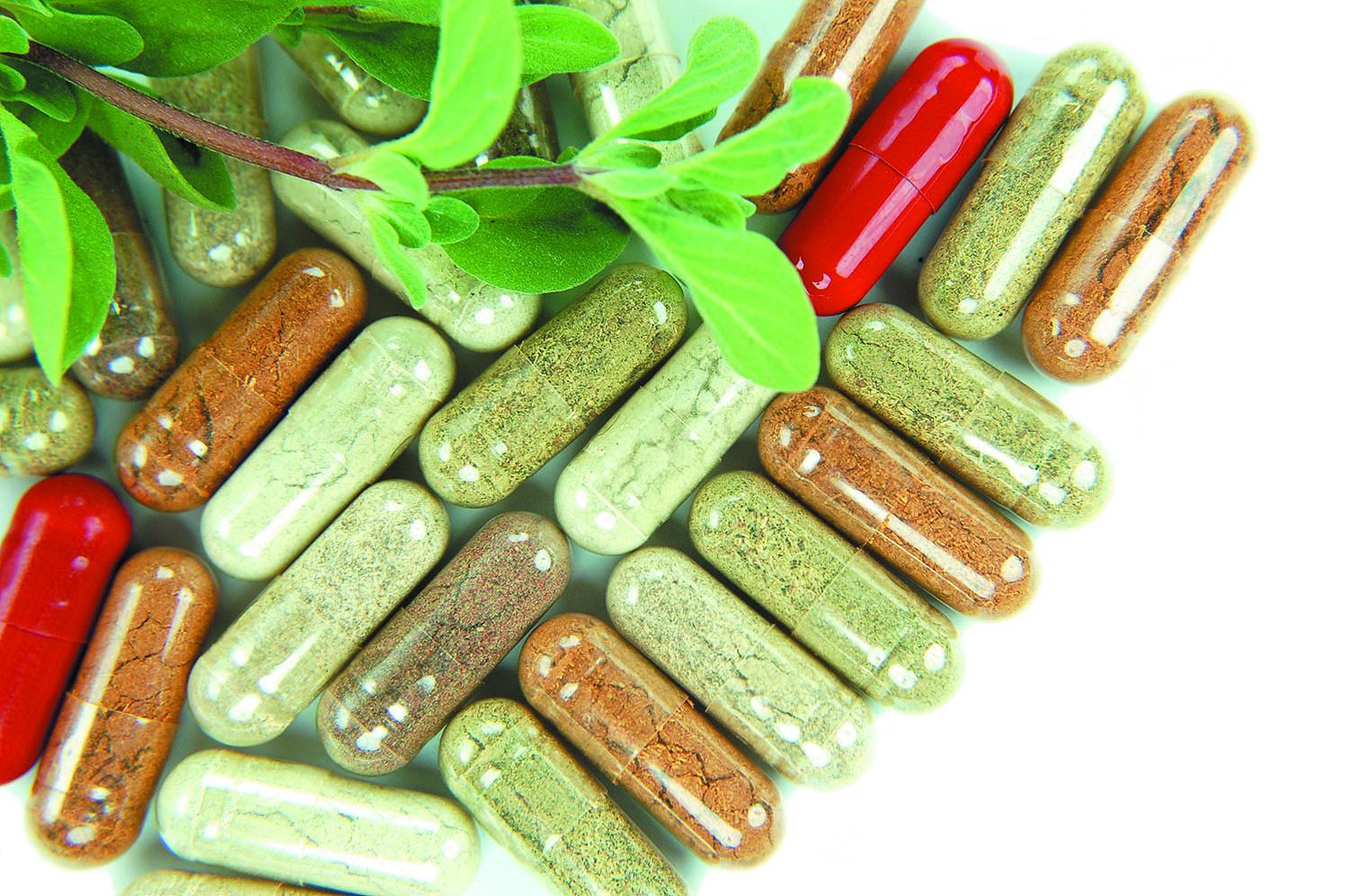
Image: © darios44/Thinkstock
A quick stroll through your pharmacy or supermarket wellness aisle will show you that dietary supplements and herbal remedies are big business. Americans spend over $32 billion annually on thousands of herbal products, many of which claim to improve heart health.
Popular misconceptions
People look to herbs and supplements as a natural, safe alternative to the conventional medications they're taking, says Dr. Pieter Cohen, an assistant professor of medicine at Harvard Medical School. Providers, on the other hand, may think of supplements as fancy placebos — expensive but benign. "These are all misconceptions," says Dr. Cohen.
Unlike pharmaceuticals, which undergo extensive testing to prove they're effective and safe before they can be sold, dietary supplements can be peddled without the same stringent examination. For most of these preparations, there is scanty evidence that they produce the results they promise.
Even more concerning, many herbal ingredients can aggravate heart disease or interact dangerously with prescribed cardiovascular medications. Some have even been found to contain deadly contaminants. More than 20,000 people land in hospital emergency rooms each year because of harm from supplements, according to a recent report from the CDC.
Herbs and your heart
The supplements of most concern are the products that claim to have a direct effect on your body function, such as improving cholesterol levels, facilitating weight loss, controlling blood sugar, or aiding sexual function, says Dr. Cohen. Herbal stimulants, often used in weight-loss supplements, are the most likely to cause cardiovascular problems. Ephedra (also called by its Chinese name, ma huang) was banned in the United States in 2004 after it was linked to cases of heart attack, stroke, and death. However, several other herbs with similar stimulant effects, including bitter orange, guarana, and mate, are still commonly found in ephedra-free natural remedies.
Another potential problem area lies with herbal remedies for erectile dysfunction. Yohimbine, derived from the bark of an African evergreen tree, is touted to improve sexual performance. While a few studies have shown it to be somewhat helpful in this regard, it has the potential to cause rapid heartbeat and high blood pressure, and has been associated with heart attacks and seizures.
Even more alarming, some so-called natural sexual enhancement products actually contain high levels of a PDE-5 inhibitor, which is the same class of active ingredient found in the prescription medication sildenafil (Viagra). For men taking nitrates for chest pain, combining these two compounds can lead to dangerously low blood pressure.
A role for supplements
Despite the ambiguity surrounding many supplements, Dr. Cohen notes that certain products still have an important role in medicine. "I recommend supplements to my patients every day. There are many medical conditions and deficiencies where taking vitamin or mineral supplements is key to the treatment," he says. Examples include vitamin D and calcium for osteoporosis and iron for anemia. If you choose to try a supplement, follow these tips:
-
Consider only single-ingredient supplements. With a multi-ingredient supplement, it's impossible to tease out which substance is having an effect — either good or bad. Also, combination products are more likely to be adulterated with banned drugs.
-
Talk to your doctor. Bring the bottles of any supplements you are taking to your doctor's appointment. This way, your provider can double-check the ingredient list to see if there is anything that might react with a medication you are already taking.
-
Look for the USP or NSF stamp. The United States Pharmacopeia (USP) and NSF International are independent, nongovernmental organizations that test dietary supplements. USP verifies the identity, quality, strength, and purity of supplements; NSF confirms that the supplement contains the listed ingredients and nothing else. Look for one of these stamps on the label, but keep in mind that neither indicates anything about the effectiveness or safety of the product.
Commonly used herbs for cardiovascular health |
||
|
Herb |
Possible side effects |
|
|
Weight loss |
Bitter orange (Citrus auranticum) |
Fainting; heart attack; stroke |
|
Mate (Ilex paraguariensis) |
Arrhythmias; increased heart rate |
|
|
Ephedra (Ephedra sinica) |
Stroke; heart attack |
|
|
Cholesterol/blood pressure |
Garlic (Allium sativum) |
Excess bleeding (especially if taking blood thinners) |
|
Green tea (Camellia sinensis) |
Irregular heart rhythms; increased heart rate |
|
|
Red yeast rice (Monascus purpureas) |
Muscle pain and weakness; breakdown of muscle fibers |
|
|
Flaxseed oil (Linum usitatissimum) |
Intestinal blockage; toxins in raw flaxseeds |
|
|
Soy supplements (Glycine max) |
Increased risk of breast or endometrial cancer |
|
|
Psyllium (Plantago ovata) |
Blockage in the esophagus or intestine |
|
|
Diabetes |
Ginseng, Asian (Panax ginseng) |
Insomnia; low blood sugar; irregular heartbeat |
|
Milk thistle (Silybum marianum) |
Low blood sugar; gastrointestinal upset |
|
|
Heart failure |
Hawthorn (Crataegus) |
Interaction with the heart medication digoxin; dizziness; nausea; stomach upset |
|
Poor circulation |
Horse chestnut (Aesculus hippocastanum) |
Excess bleeding when not processed |
|
Ginkgo (Ginkgo biloba) |
Excess bleeding |
|
Disclaimer:
As a service to our readers, Harvard Health Publishing provides access to our library of archived content. Please note the date of last review or update on all articles.
No content on this site, regardless of date, should ever be used as a substitute for direct medical advice from your doctor or other qualified clinician.