

Light exposure at night may raise risk for heart disease

Whole grains may improve several heart risk factors at once

A lumbar belt may help ease low back pain

Children of centenarians may stay healthier and live longer too, study finds

Signs of pneumonia: Sometimes vague and unexpected

The surprising link between ovarian cancer and the fallopian tubes

Using a vibration plate: What it can — and can't — do for your body

People who walk more or walk faster live longer, study finds
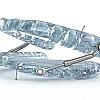
For sleep apnea, a dental device may be as effective as CPAP

Rosacea treatments: What works?
Heart Failure Archive
Articles

Sitting less may help lower blood pressure
Older adults might be able to lower their blood pressure by reducing their sitting time by as little as 30 minutes per day, according to a 2024 study.

Artificial intelligence in cardiology
The American Heart Association's first-ever scientific statement on artificial intelligence (A.I.) in cardiology explores how the technology may improve how doctors prevent, detect, and treat heart disease. For example, A.I. data from patch monitors may predict who will develop potentially serious heart rhythms. Applying A.I. tools to a single chest x-ray may predict a person's risk of heart attack and other serious health problems.

Protect your heart during the dog days of summer
People who have or are at risk for cardiovascular disease should be extra cautious when exercising outside when it's hot, humid, and hazy, as they are more vulnerable to the hazards of high temperature and air pollution. To exercise safely during a heat wave, people should avoid being outside during the middle of the day; wear light-colored, lightweight clothing; and be careful to stay hydrated.

Cardiovascular risks soar among daily cannabis users
A 2024 study suggests using cannabis weekly may be associated with an increase in people's risks of heart attack and stroke, and the risks rise dramatically with more frequent use.

Choosing the most beneficial blood thinner
Direct-acting oral anticoagulants (so-called "blood thinners") are prescribed to treat atrial fibrillation, deep-vein thrombosis, or blood clots in the lung. Doctors also prescribe antiplatelet drugs to prevent blood clots in arteries that can lead to heart attacks or strokes.

Microplastics in arteries linked to heart disease risk
A 2024 study found that people with microplastics in the plaque clogging their neck arteries were about four times more likely to have a heart attack or stroke than people with plastic-free plaque.

Many older adults still follow outdated aspirin advice
A 2024 nationwide poll suggests that one in four older adults takes aspirin regularly in hopes of preventing a heart attack or stroke, even though updated guidelines from 2019 advise against that practice in many cases.

Device of the month: Home blood pressure monitor
When choosing a home blood pressure monitor, people should select one that has an easy-to-read display and a well-fitting upper arm cuff that inflates automatically. It should appear on the U.S. Blood Pressure Validated Device Listing.

RNA-targeted drugs for heart disease
RNA-targeted drugs work by preventing the synthesis of proteins involved in different diseases. One, called inclisiran (Leqvio), dramatically lowers LDL cholesterol with just two injections per year. Additional RNA-targeted drugs to lower elevated lipoprotein (a) and high blood pressure are currently in late-stage clinical trials.

Migraine and cardiovascular disease: What's the link?
Migraines and cardiovascular disease share certain common features, including changes in blood vessels, blood flow, and inflammation. Migraine with aura is linked to an increased risk of stroke, and common migraine drugs called triptans are linked to a higher risk of stroke and heart attack in people at risk for cardiovascular disease. Although both of these risks are extremely small, migraine sufferers with heart-related risks should seek out a personalized approach for treatment and know the warning signs of a stroke.
Light exposure at night may raise risk for heart disease
Whole grains may improve several heart risk factors at once
A lumbar belt may help ease low back pain
Children of centenarians may stay healthier and live longer too, study finds
Signs of pneumonia: Sometimes vague and unexpected
The surprising link between ovarian cancer and the fallopian tubes
Using a vibration plate: What it can — and can't — do for your body
People who walk more or walk faster live longer, study finds
For sleep apnea, a dental device may be as effective as CPAP
Rosacea treatments: What works?
Free Healthbeat Signup
Get the latest in health news delivered to your inbox!
Sign Up
