

Whole grains may improve several heart risk factors at once

Light exposure at night may raise risk for heart disease

Children of centenarians may stay healthier and live longer too, study finds

A lumbar belt may help ease low back pain

Signs of pneumonia: Sometimes vague and unexpected

Using a vibration plate: What it can — and can't — do for your body

The surprising link between ovarian cancer and the fallopian tubes

People who walk more or walk faster live longer, study finds
Rosacea treatments: What works?
For sleep apnea, a dental device may be as effective as CPAP
Heart Attack Archive
Articles

Weather and air pollution linked to heart-related hospitalizations
Lower temperatures, high wind speed, atmospheric pressure, high precipitation, and high degrees of pollution may raise the risk of being hospitalized for serious heart-related conditions. Modeling these factors may help forecast future heart problems.


Vegetarian and vegan diets may lower cholesterol levels
Following a vegetarian or vegan diet may help lower levels of total and LDL cholesterol, according to a 2023 review of studies published over four decades.

Autoimmune diseases pose a threat to the heart
People with autoimmune diseases may be up to three times more likely to develop cardiovascular disease than people without an autoimmune disease. Among the most common autoimmune diseases are rheumatoid arthritis, psoriasis, and lupus. Awareness of this elevated risk is especially important because autoimmune disease typically strikes when people are in their 20s or 30s. In turn, heart problems may develop up to a decade earlier than in people without an autoimmune disease. A calcium scan, which detects early signs of atherosclerosis, can help assess a person's risk and guide treatment advice.

Heart attacks may speed cognitive decline
Accelerated cognitive decline may be more common after a heart attack, probably because the same factors that lead to narrowed heart arteries (the root cause of most heart attacks) can also cause tiny, silent strokes. An accumulation of these strokes shows up as bright areas (called white matter lesions) on an MRI scan. These lesions are markers of typical cognitive changes that occur with age. But people who have heart attacks likely have more white matter lesions and experience even greater cognitive decline.
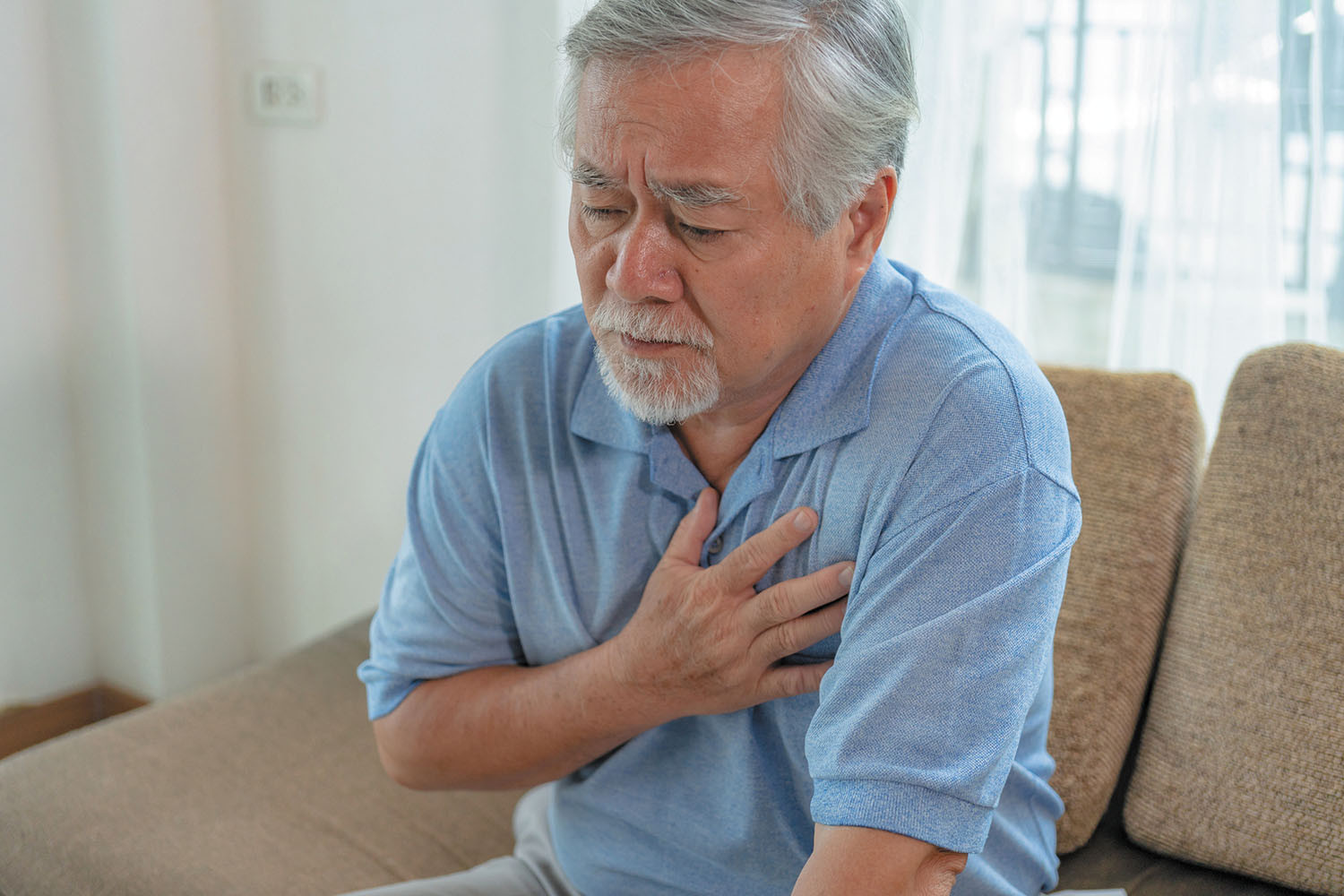
Heart attacks strike in different ways
There are two different mechanisms by which most heart attacks happen. Both are related to insufficient blood flow to an area of the heart, most often secondary to fatty plaque buildup in coronary arteries. Chest pain remains the most common heart attack symptom, but others are often subtle, and the underlying process causing the heart attack can differ. It's important for people to recognize the different signs of heart attacks, so they know when to seek immediate medical care.

To elevate your exercise routine, take a hike
Hiking can promote cardiovascular health by building lower-body strength and boosting the heart rate, especially if the route involves elevation changes. Using poles can provide stability, especially during the downhill stretches. Using poles also helps strengthen the muscles of the upper body and may increase the number of calories burned during a hike.

Heart-healthy eating: How does your diet stack up?
Four eating patterns—including the DASH, Mediterranean, pescatarian, and vegetarian diets—align most closely with recommendations for a heart-healthy diet, according to a 2023 scientific statement from the American Heart Association. These diets limit saturated fat and excess carbohydrates, especially highly processed carbohydrates and sugary drinks. Evidence supporting these diets comes from decades of randomized trials, population-based studies, and other research.
Whole grains may improve several heart risk factors at once
Light exposure at night may raise risk for heart disease
Children of centenarians may stay healthier and live longer too, study finds
A lumbar belt may help ease low back pain
Signs of pneumonia: Sometimes vague and unexpected
Using a vibration plate: What it can — and can't — do for your body
The surprising link between ovarian cancer and the fallopian tubes
People who walk more or walk faster live longer, study finds
Rosacea treatments: What works?
For sleep apnea, a dental device may be as effective as CPAP
Free Healthbeat Signup
Get the latest in health news delivered to your inbox!
Sign Up
