

Whole grains may improve several heart risk factors at once

Light exposure at night may raise risk for heart disease

Children of centenarians may stay healthier and live longer too, study finds

A lumbar belt may help ease low back pain

Signs of pneumonia: Sometimes vague and unexpected

Using a vibration plate: What it can — and can't — do for your body

The surprising link between ovarian cancer and the fallopian tubes

People who walk more or walk faster live longer, study finds

Rosacea treatments: What works?
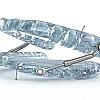
For sleep apnea, a dental device may be as effective as CPAP
Heart Attack Archive
Articles

About 20 minutes of exercise may offset risk of sitting all day
Compared with people who sit for eight hours daily, people who sit more than 12 hours a day may be more likely to die prematurely. But just 22 minutes of brisk walking or similar activity daily may offset that risk, according to a 2023 study.

Poor sleep linked to next-day episodes of atrial fibrillation
When people with atrial fibrillation sleep poorly, they may be more likely to have an episode of atrial fibrillation the next day, according to a 2023 study.

Is moderate drinking heart-healthy?
In contrast to previous studies, several new investigations have been unable to find clear evidence that people who take a drink a day are less likely to develop heart disease than people who don't drink. The new evidence doesn't negate past studies; it simply must be weighed against past studies. And while findings suggest that moderate drinking may offer some heart benefits, drinking is not recommended for the purpose of achieving those unproven benefits. Excessive drinking-averaging three or more drinks a day-causes multiple health problems, including heart problems.

5 trends in cardiology to watch
Harvard Medical School professor Dr. Eugene Braunwald, known as "the father of modern cardiology," identified five promising future trends in cardiology. They include (1) using polygenic risk scores in newborns for early prevention of heart disease; (2) the emergence of a battery of drugs to treat inflammation; (3) improvements in cardiac cell therapy for repairing damaged hearts; (4) the development of smaller, more powerful, and less expensive left ventricular assist devices; and (5) transplanting genetically modified pig hearts into humans.

Coated aspirin and regular aspirin: Similar benefits and risks
For preventing repeat heart attacks, coated aspirin is just as effective as regular aspirin, but it does not appear to provide extra protection against bleeding risk.

Marijuana use disorder may raise the risk of heart problems
Up to three in 10 people who use marijuana may be unable to stop using the drug, even when it has negative effects on their lives. A 2023 study links this problem- known as cannabis use disorder-to a higher risk of heart problems.

Poor sleep linked to high blood pressure
In women, sleep problems-including falling asleep, staying asleep, and insufficient sleep-were associated with a greater risk of high blood pressure.

Fixing a faulty aortic valve
A nonsurgical approach for replacing a damaged aortic valve, known as transcatheter aortic valve replacement (TAVR), has become very popular in recent years. But it may not make sense for people in their 60s, who are likely to need a second valve replacement later in life. The valves used in TAVR only last about 10 years, on average. In addition, diagnosing and treating coronary artery disease may be more challenging in people who've had TAVR. Also, the surgery to replace a failed TAVR valve is more complicated than regular valve replacement surgery. So people who are likely to need least one traditional valve surgery are better off having the surgery in their 60s rather than in their 70s. A TAVR can be done the second time around.

A sugary diet may harm your heart
Diets high in added sugars are linked to an increased risk of coronary artery disease, but naturally occurring sugars in fruits and vegetables are not. Nearly 70% of added sugar in the American diet comes from sugary beverages, desserts and sweet snacks, candy, and breakfast bars and cereals. Consuming excess added sugar promotes weight gain and diabetes and also spurs the liver to pump out triglycerides and other fats into the bloodstream.

Should you worry about your waistline?
A large waistline - 35 inches or more in women or 40 inches or more in men - can signal the presence of visceral fat. Located deep within the abdominal cavity, visceral fat pads the space around the organs and is closely linked to cardiovascular problems. Getting regular exercise (both aerobic and strength-based) and following a healthy, reduced-carbohydrate diet can help reduce visceral fat. Time-restricted eating may also help.
Whole grains may improve several heart risk factors at once
Light exposure at night may raise risk for heart disease
Children of centenarians may stay healthier and live longer too, study finds
A lumbar belt may help ease low back pain
Signs of pneumonia: Sometimes vague and unexpected
Using a vibration plate: What it can — and can't — do for your body
The surprising link between ovarian cancer and the fallopian tubes
People who walk more or walk faster live longer, study finds
Rosacea treatments: What works?
For sleep apnea, a dental device may be as effective as CPAP
Free Healthbeat Signup
Get the latest in health news delivered to your inbox!
Sign Up
