

Whole grains may improve several heart risk factors at once

Light exposure at night may raise risk for heart disease

Children of centenarians may stay healthier and live longer too, study finds

A lumbar belt may help ease low back pain

Signs of pneumonia: Sometimes vague and unexpected

Using a vibration plate: What it can — and can't — do for your body

The surprising link between ovarian cancer and the fallopian tubes

People who walk more or walk faster live longer, study finds

Rosacea treatments: What works?
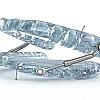
For sleep apnea, a dental device may be as effective as CPAP
Heart Attack Archive
Articles

Living with heart disease? Avoid unnecessary testing
For people with chronic coronary disease who do not have symptoms, new guidelines recommend against routine testing with cardiac CT angiography, echocardiography, and stress testing. The results are unhelpful—and in some cases harmful. Unclear results often general additional testing or unnecessary procedures, including some that expose people to radiation for no reason. In addition, the tests add expense without any corresponding benefit, and these costs are increasingly being passed back to patients, in the form of copayments or higher premiums.

What is palliative care for heart failure?
Palliative care for heart failure aims to improve quality of life for patients and their families by addressing physical symptoms, and also emotional, psychosocial, and spiritual issues. This may include treating anxiety and depression in patients and supporting caregivers, who may be dealing with stress and worry. Palliative care also includes talking with patients about their personal goals and what matters most to them, which can help guide their care as the illness progresses.

Holiday gifts that keep the heart in mind
Products that encourage healthy eating or exercise can make good holiday gifts for family and friends. Examples include cooking gadgets (such as a food chopper or high-quality knife), a gift basket of fresh fruit or Mediterranean-inspired treats, or home workout equipment (such as dumbbells, resistance bands, or sports-related gear).

The false promise of fish oil supplements
Despite statements like "promotes heart health" on the labels of fish oil supplements, multiple randomized trials show no evidence of heart-related benefits from using these products. In addition, manufacturing methods might make the products either useless or even harmful. The supplements do provide omega-3 fatty acids, but people can get these essential fats by eating two servings of fatty fish weekly or following a vegetarian diet rich in healthy oils, nuts, and seeds.

Can I improve my ejection fraction?
Ejection fraction is the fraction (expressed as a percentage) of the blood that the heart "ejects" out to the rest of the body when it contracts. Low ejection fraction signals one form of heart failure. An echocardiogram is the standard test to measure ejection fraction.

The best strength-building exercise to lower blood pressure?
Isometric exercises that engage the muscles without movement—such as wall squats and planks—may help lower blood pressure more than other types of strength training. Experts have speculated about a possible mechanism: During isometric exercise, clenched muscles temporarily constrain blood flow. The following surge of blood may stimulate the release of factors that help relax the vessels and ultimately contribute to a reduction in blood pressure.

Veins are a key player in the body: Here's why
Thousands of miles of veins throughout the body bring blood to the lungs to pick up oxygen and nutrients, and get rid of carbon dioxide before returning to the heart to be pumped out again. How do veins work, what problems can occur, and how can you keep these vital blood vessels healthy?


Heart-healthy foods: What to eat and what to avoid
A heart-healthy dietary pattern emphasizes minimally processed vegetables, fruits, whole grains, and beans. Learn how you can adopt a heart-healthy eating style to boost your cardiovascular health.

Higher step counts linked to lower risk of heart-related death
A 2023 study found that the more steps people take, the lower their risk of dying from cardiovascular disease, with the benefits starting with as few as 2,300 steps per day.
Whole grains may improve several heart risk factors at once
Light exposure at night may raise risk for heart disease
Children of centenarians may stay healthier and live longer too, study finds
A lumbar belt may help ease low back pain
Signs of pneumonia: Sometimes vague and unexpected
Using a vibration plate: What it can — and can't — do for your body
The surprising link between ovarian cancer and the fallopian tubes
People who walk more or walk faster live longer, study finds
Rosacea treatments: What works?
For sleep apnea, a dental device may be as effective as CPAP
Free Healthbeat Signup
Get the latest in health news delivered to your inbox!
Sign Up
