

Even a little exercise linked with lower stroke risk in people with afib

Testosterone therapy without evidence of deficiency may boost heart risk

Weight-loss drug may lower risk of heart attacks and infections

What to eat on the DASH diet

Migraine: How it's diagnosed and what that means

Tricep workouts you can do at home

Mindfulness practices to reduce stress and improve focus

Antihistamines may not offer meaningful relief from eczema symptoms

Overweight and taking blood pressure medications: Study finds it's a trend that's working

FDA approves first mRNA-based flu vaccine
Healthy Eating Archive
Articles

Two daily servings of dairy: Good for your heart?
Research we're watching
Image: © nehopelon/Getty Images
People whose daily diets include at least two servings per day of milk, yogurt, or cheese appear to have a lower risk of heart disease, stroke, or death than people who don't consume dairy products.
The findings, published Sept. 11, 2018, in The Lancet, were based on food questionnaires from more than 136,000 people from 21 countries. After a follow-up that lasted an average of nine years, researchers found that adults who consumed two or more servings of dairy each day had a 22% lower risk for heart disease, a 34% lower risk for stroke, and a 23% lower risk of heart-related death. Observational studies such as this one cannot prove cause and effect. But dairy-based foods contain vitamins D and K, calcium, and other nutrients thought to be good for cardiovascular health. The findings support the benefits of all types of dairy, including full-fat versions. However, current guidelines still recommend nonfat or low-fat milk, yogurt, and cheese, which contain fewer calories and less saturated fat.

Thriving with localized prostate cancer
There's a lot you can do to improve your outcome if you're taking an active surveillance approach to your diagnosis.
Image: © Nastasic/Getty Images
About 90% of men diagnosed with prostate cancer have the localized kind, which means the cancer is confined to the prostate gland. And for many, a reasonable approach is active surveillance, in which men choose to monitor their cancer instead of going straight into invasive treatments, such as surgery or radiation therapy.
Active surveillance includes a doctor visit about every six months, most often with a prostate-specific antigen (PSA) blood test and digital rectal exam.

Nitrates from vegetables may lower age-related macular degeneration risk
In the journals
Image: © Edalin/Getty Images
An observational study has shown an association between eating vegetable nitrates, found in green leafy vegetables and beets, and a lower risk of developing an early stage of age-related macular degeneration (AMD), the leading cause of permanent vision loss among Americans ages 60 and older. The results were published online Oct. 17, 2018, by the Journal of the Academy of Nutrition and Dietetics.
Researchers studied the eating habits of more than 2,000 adults ages 49 and older over a 15-year period and compared them with diagnoses of AMD among the group. They found that people who ate 100 to 142 milligrams (mg) of vegetable nitrates each day had a 35% lower risk of developing early AMD than people who ate less than 69 mg of vegetable nitrates daily.



Extra protein at breakfast helps control hunger
In the journals
Image: © Tverdohlib/Getty Images
A high-protein breakfast may help curb your appetite later in the day, suggests a small study in the October 2018 Journal of Dairy Science.
Researchers assigned 32 healthy adults to eat a breakfast containing two servings of a high-carbohydrate cereal, with either 1 cup of commercial milk that contained 12.4 grams of protein, or 1 cup of milk mixed with a whole-milk protein concentrate or a whey protein powder that boosted protein intake to 28 grams. The participants then had their blood sugar levels measured.
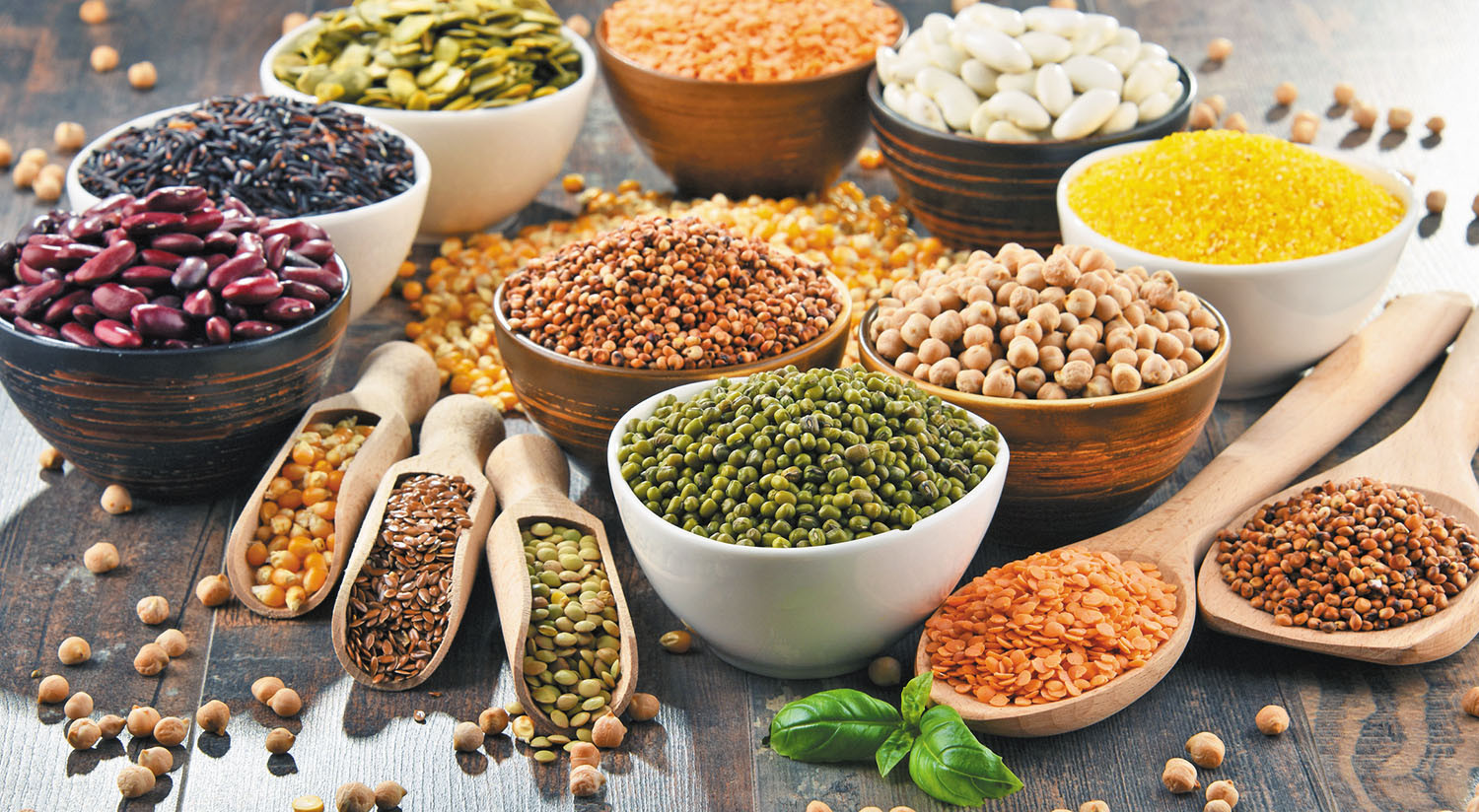
Legumes: A quick and easy switch to improve your diet
Beans, peas, and peanuts are high in protein but lower in saturated fat than red meat.
Image: © monticelllo/Getty Images
Looking for a quick way to improve your diet? Try swapping some of your regular servings of red meat with legumes.
"People will ask me, is red meat bad for me? And my answer is, compared to what? Compared to sugar, no. Compared to legumes, yes. That's where I think legumes come in. They are especially beneficial if they can replace red meat," says Dr. Meir Stampfer, a professor of epidemiology and nutrition at the Harvard T.H. Chan School of Public Health.
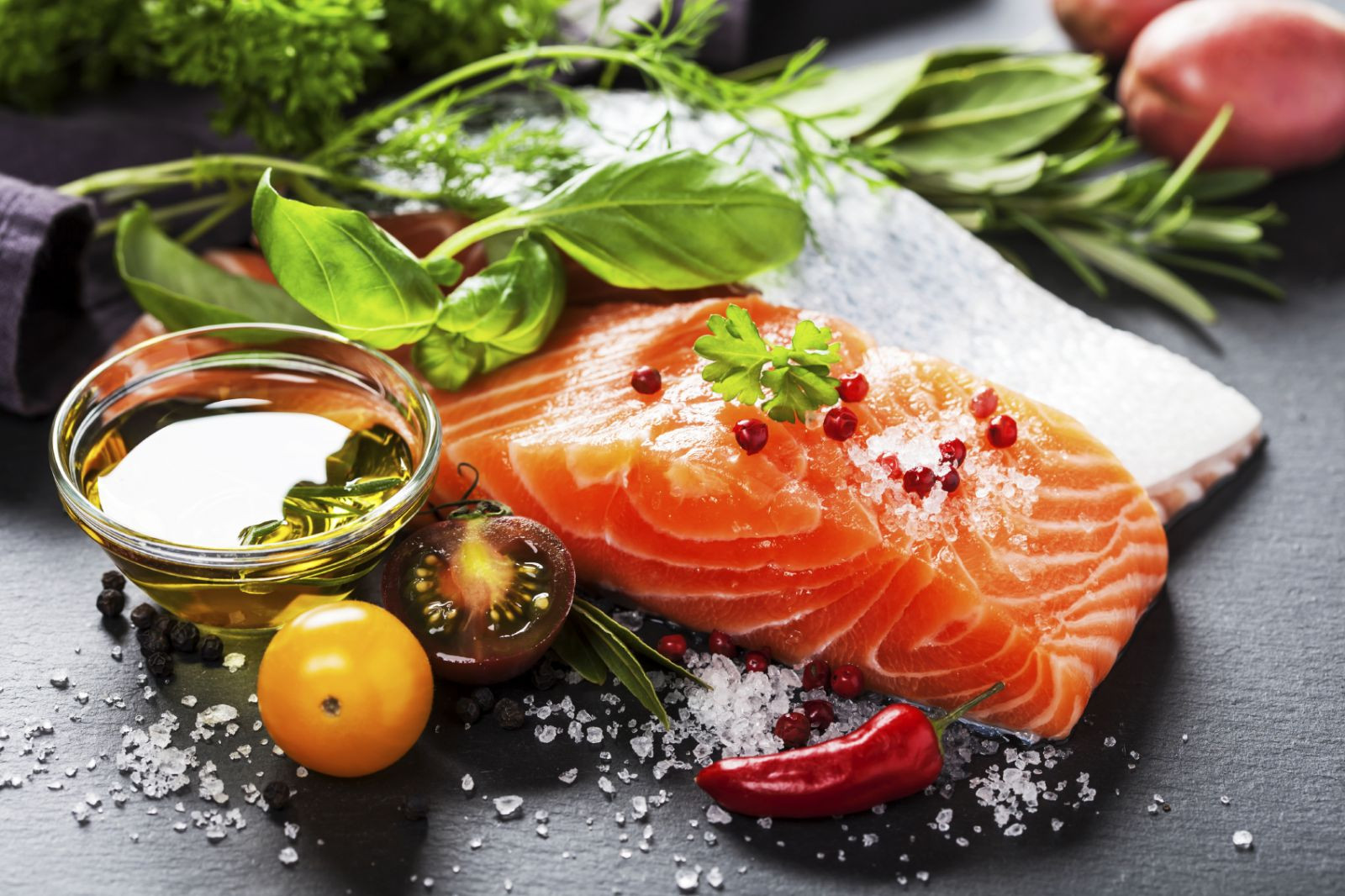
Mediterranean diet reduces stroke risk, particularly among women
Image: Bigstock
Research we're watching
Eating a Mediterranean-style diet, which is rich in fruits and vegetables, lean meats, and nuts, may help women over 40 reduce the risk of stroke, according to a study published in the journal Stroke.
The study enrolled more than 20,000 adults, ages 40 to 77, who were asked to record what they ate in a seven-day diet diary. Researchers then compared their diet and their stroke risk over a 17-year period.

Yogurt or dessert? High sugar makes it hard to tell
Research we're watching
Image: © Steve Debenport/Getty Images
While yogurt is often billed as a nutritious food, high in probiotics and calcium, these creamy treats are also often loaded with sugar, according to a study in the online journal BMJ Open.
The study looked at 900 yogurt products in five major supermarket chains in the United Kingdom. Only 9% qualified as low in sugar, according to government guidelines, which called for a maximum of 5 grams of sugar per 100-gram serving. Organic yogurts, which many people think of as a healthier option, had some of the highest average sugar content (13.1 grams per 100-gram serving) among the various yogurt types, followed by 10.8 grams per serving in yogurts aimed at children and 5 grams among Greek and natural yogurt products.

Gifts to inspire healthy eating
Give tools that will encourage recipients to prepare and enjoy fresh, healthy meals and treats.
Image courtesy of Yonanas
You know what they say about gifts: it's the thought that counts. And why not focus that thought on a healthy diet? Inspire healthy eating with gadgets that are affordable and easy to use. Keep the recipient's dietary needs, dexterity, and physical ability in mind as you shop. Here are some fun ideas to get you started.
A stem stripper (cost: about $5) is a flat utensil with a number of stem-sized holes in it. It strips leaves from stems in seconds. You simply insert the stem of a leafy vegetable or herb (like kale, Swiss chard, or rosemary) into the hole that matches the stem's diameter. Pull the stem through the hole, and the leaves fall away. Then toss the remaining stem. "This might be helpful if you have trouble chewing, if you wear dentures, or you find vegetables or herbs hard to chop or pull apart," says registered dietitian Kathy McManus, director of the Department of Nutrition at Harvard-affiliated Brigham and Women's Hospital.
Even a little exercise linked with lower stroke risk in people with afib
Testosterone therapy without evidence of deficiency may boost heart risk
Weight-loss drug may lower risk of heart attacks and infections
What to eat on the DASH diet
Migraine: How it's diagnosed and what that means
Tricep workouts you can do at home
Mindfulness practices to reduce stress and improve focus
Antihistamines may not offer meaningful relief from eczema symptoms
Overweight and taking blood pressure medications: Study finds it's a trend that's working
FDA approves first mRNA-based flu vaccine
Free Healthbeat Signup
Get the latest in health news delivered to your inbox!
Sign Up
