

Even a little exercise linked with lower stroke risk in people with afib

Testosterone therapy without evidence of deficiency may boost heart risk

Weight-loss drug may lower risk of heart attacks and infections

What to eat on the DASH diet

Migraine: How it's diagnosed and what that means

Tricep workouts you can do at home

Mindfulness practices to reduce stress and improve focus

Antihistamines may not offer meaningful relief from eczema symptoms

Overweight and taking blood pressure medications: Study finds it's a trend that's working

FDA approves first mRNA-based flu vaccine
Healthy Eating Archive
Articles

Less heart-damaging inflammation with a vegan diet?
Research we're watching
Image: © Anna_Shepulova/Getty Images
A vegan diet may help lower heart-damaging inflammation more than the diet recommended by the American Heart Association (AHA), a new study finds.
The study included 100 people with heart disease, which was defined as having at least one narrowed heart artery. Half were randomly selected to follow a vegan diet, which excludes meat, poultry, dairy, eggs, seafood, and fish. The others followed the AHA diet, which encourages lean poultry, fish, and low-fat dairy products, along with plant-based foods. All of the participants received weekly groceries, a cookbook, and sample menus. They also provided 24-hour diet recall records twice a week on random days.

Eating more fruits and vegetables may help men with memory loss
In the journals
Need another reminder to eat your fruits and vegetables? Doing so might lower your risk of memory loss, according to a study published online Nov. 21, 2018, by Neurology. The study looked at almost 28,000 men, average age 51, who filled out questionnaires every four years for 20 years about how many servings of fruits, vegetables, and other foods they ate each day. The participants also took tests of their thinking and memory skills at least four years before the end of the study, when the average age was 73.
The researchers found that men who consumed the most daily servings of vegetables and fruit (six or more servings) were less likely to develop poor thinking skills than the men who consumed the fewest (about two daily servings or less). A serving of fruit was defined as a cup of whole fruit or half a cup of fruit juice. A serving of vegetables was a cup of raw vegetables or two cups of leafy greens.
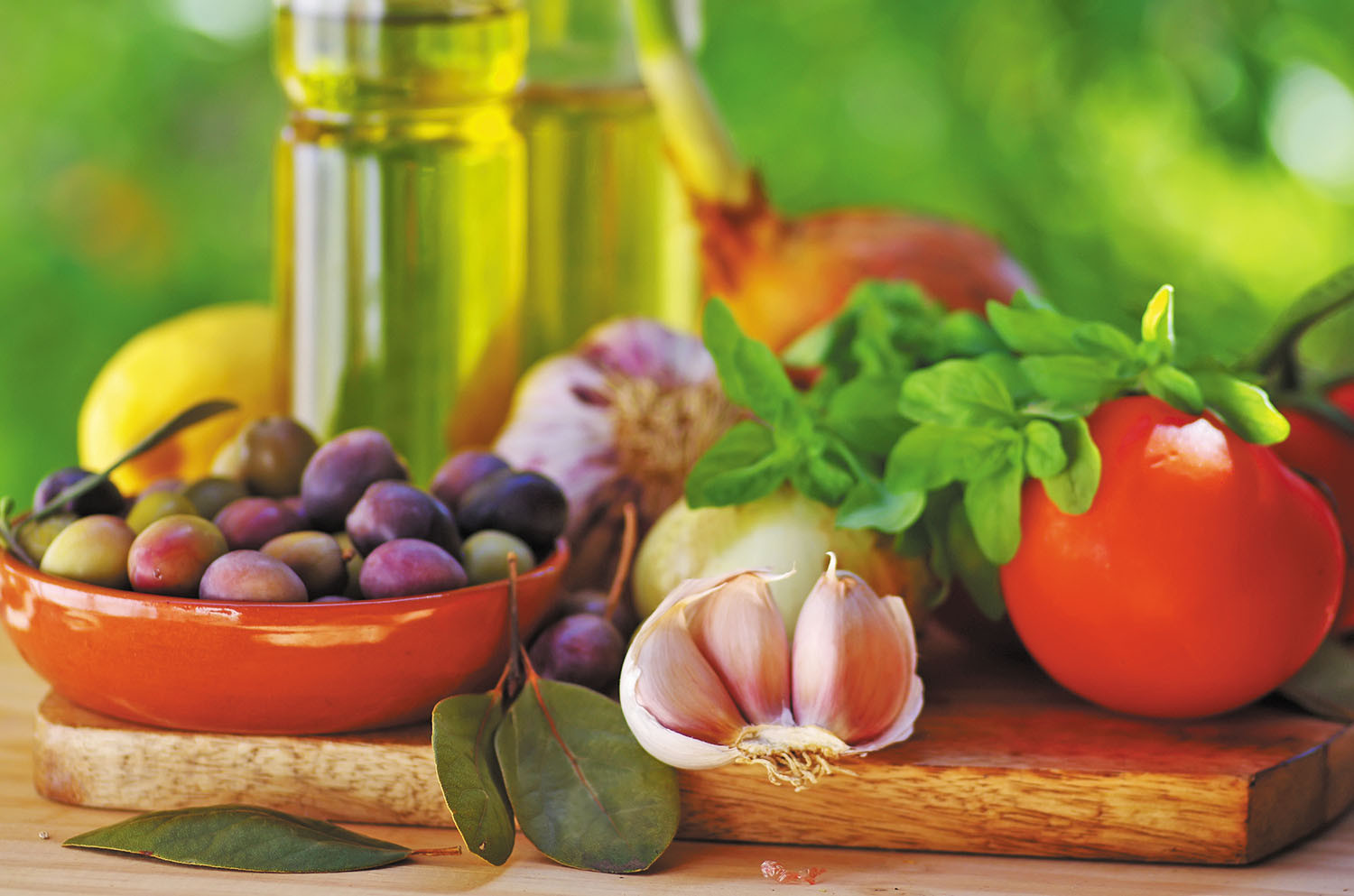
Mediterranean diet works by adding up small improvements
Over time, eating a diet high in vegetables, fruits, whole grains, and olive oil can reduce heart and blood vessel disease risks.
Image: © inaquim/Getty Images
Eating a Mediterranean-type diet won't suddenly and dramatically improve your cholesterol, magically slash your blood pressure, or help you drop 20 pounds overnight.
But if you stick with it over time, it can potentially cut your risk of heart and blood vessel diseases by as much as 25%, according to a study published online Dec. 7, 2018, by JAMA Network Open. This overall improvement may be due to the cumulative effect of numerous small positive changes that occur in the body as a result of the diet — most notably, a drop in chronic inflammation, a known risk factor for heart disease.

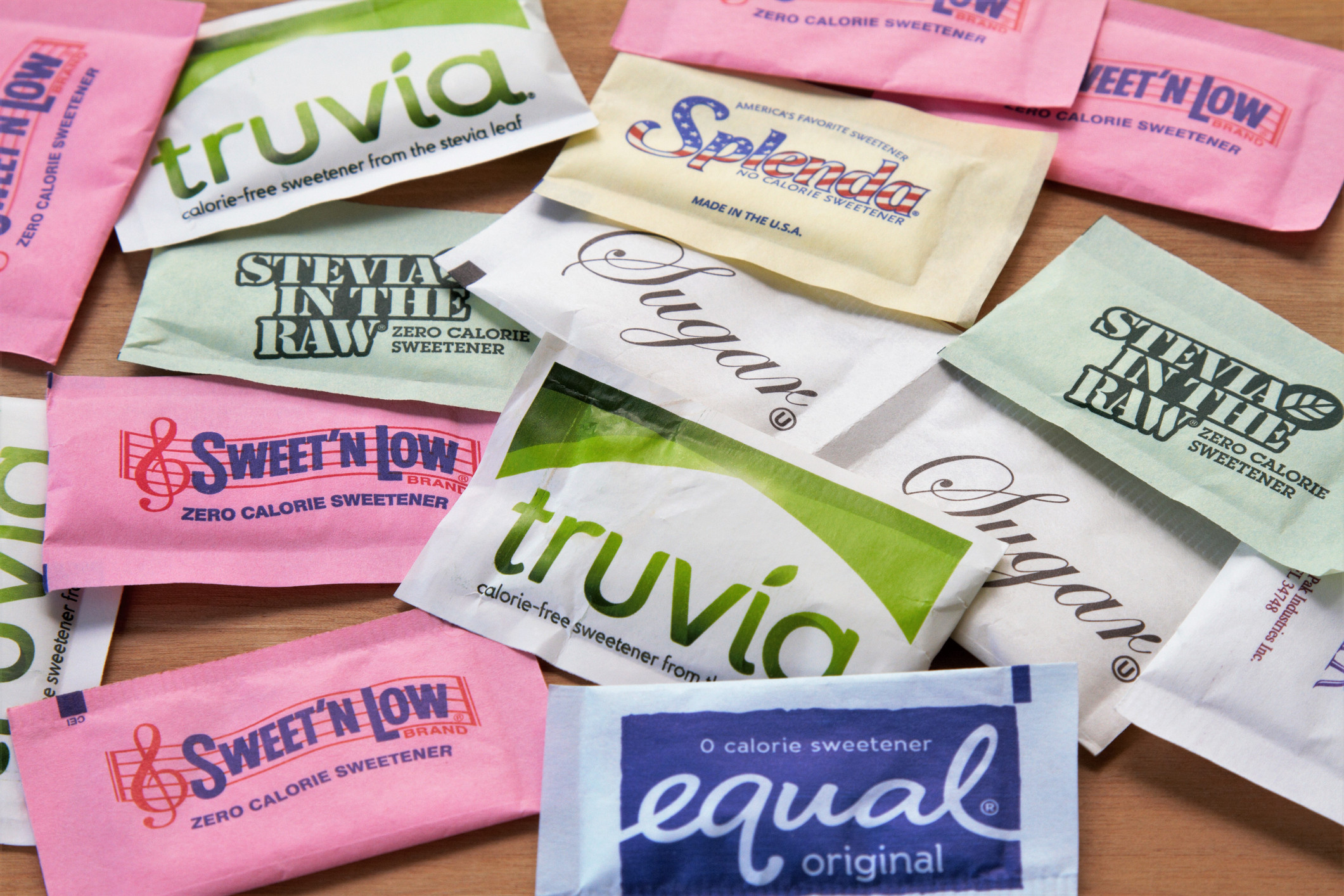

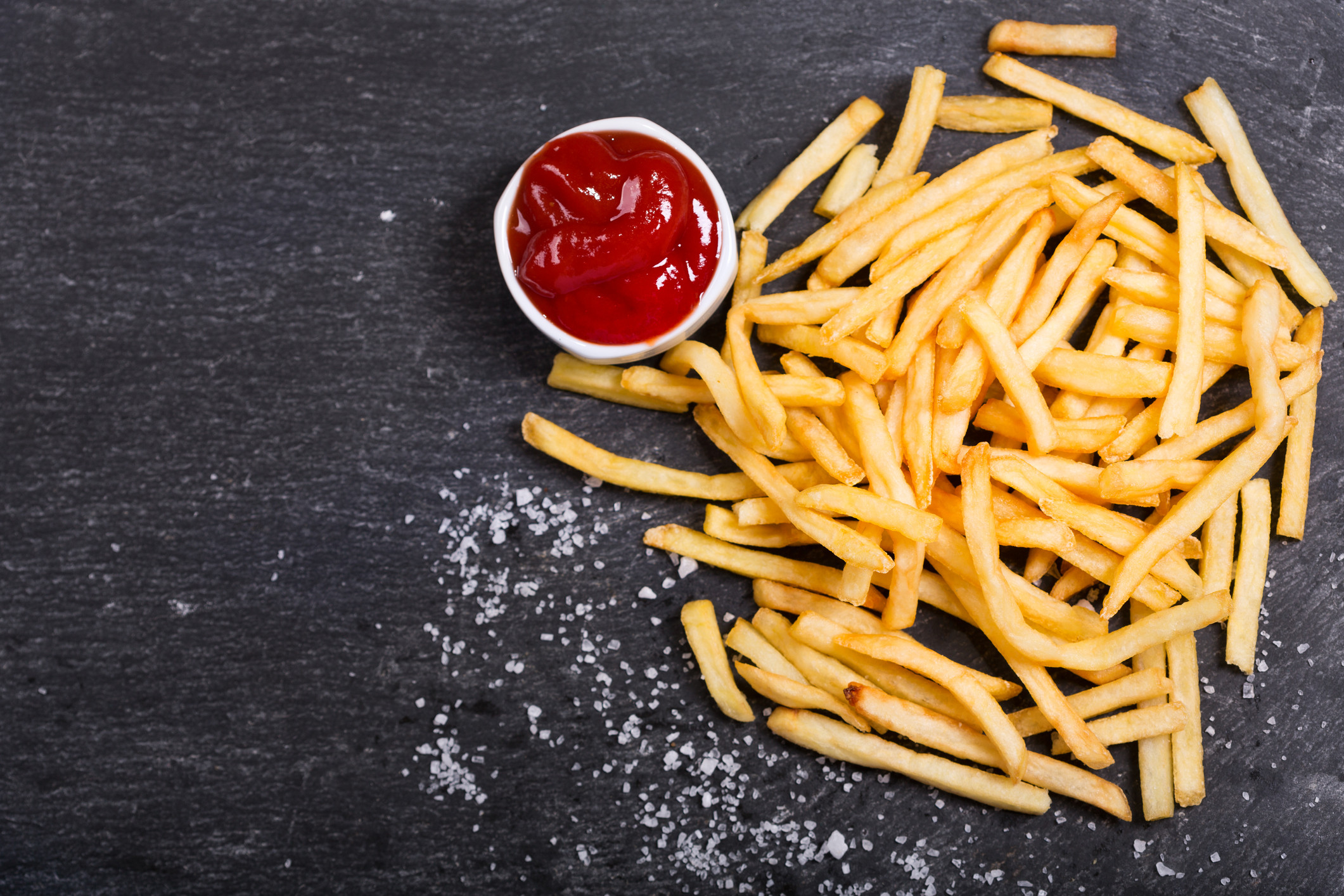

Ask the doctor: Microwave's impact on food
There's less time for nutrients to break down when food is cooked quickly. |
Q. Does using a microwave to cook ruin the nutrients in food?
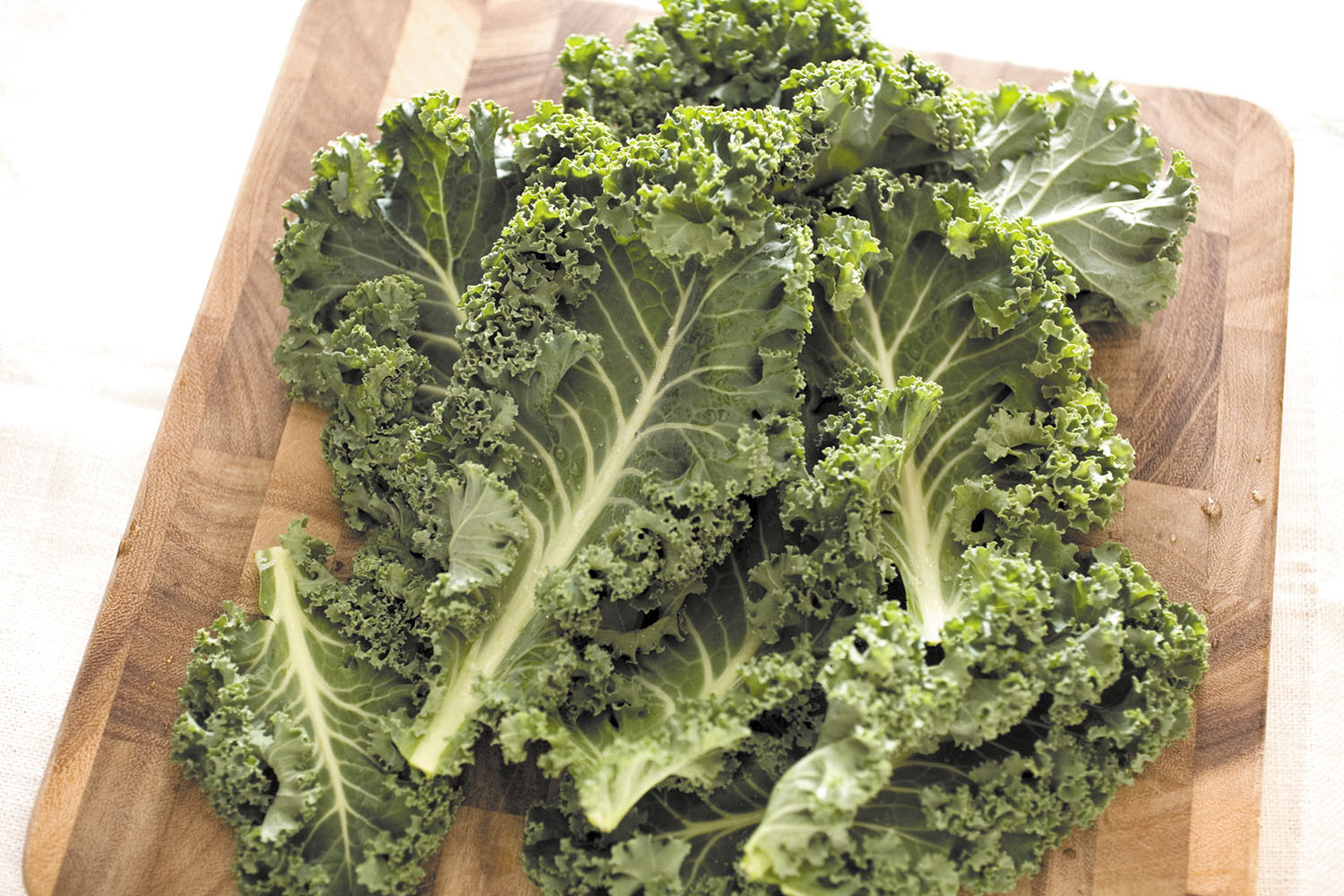
Fill up on phytochemicals
Eating a varied diet of colorful plant foods may have benefits that go beyond the power of vitamins and minerals.
Image: © sf_foodphoto/Getty Images
Whenever you bite into a juicy red apple or crunch a mouthful of dark, leafy greens, you consume more than just vitamins, minerals, and fiber. You also get a power-packed bite of plant substances called phytochemicals. They're not known to be essential for health, like vitamins and minerals, but they may go a long way toward keeping us healthy.
"We're still just learning about them. The science is ongoing. But they may help fight cancer and heart disease," says Debbie Krivitsky, director of clinical nutrition at the Cardiovascular Disease Prevention Center at Harvard-affiliated Massachusetts General Hospital.
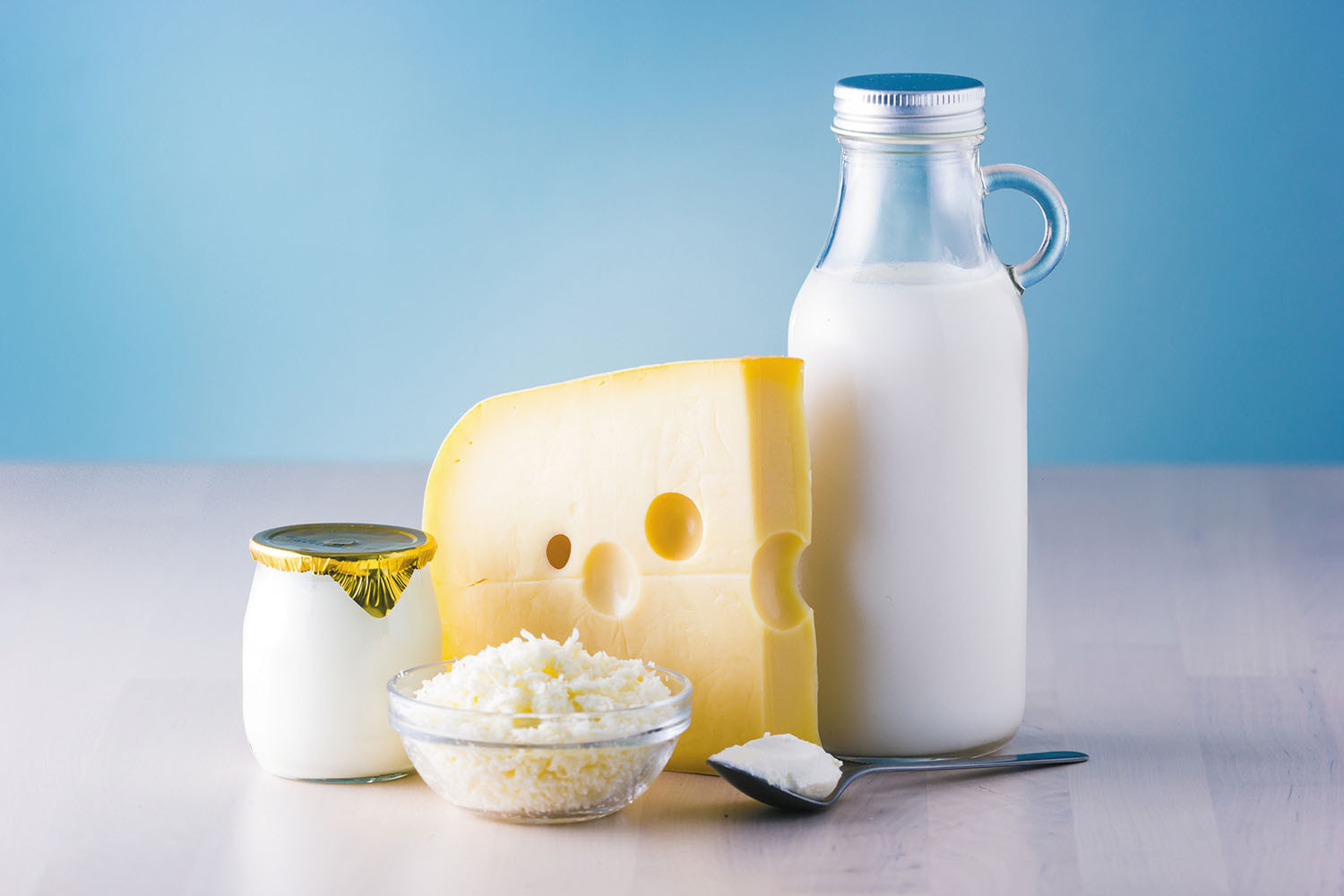
The dish on dairy
Are dairy foods healthy, or is it best to reduce or even avoid them in your diet? Here is what the science says.
Image: © nehopelon/Getty Images
Dairy is one of the most controversial food groups. Is it healthy — or a health risk? It really depends on what you need.
"Dairy isn't necessary in the diet for optimal health, but for many people, it is the easiest way to get the calcium, vitamin D, and protein they need to keep their heart, muscles, and bones healthy and functioning properly," says Vasanti Malik, nutrition research scientist with the Harvard T.H. Chan School of Public Health.
Even a little exercise linked with lower stroke risk in people with afib
Testosterone therapy without evidence of deficiency may boost heart risk
Weight-loss drug may lower risk of heart attacks and infections
What to eat on the DASH diet
Migraine: How it's diagnosed and what that means
Tricep workouts you can do at home
Mindfulness practices to reduce stress and improve focus
Antihistamines may not offer meaningful relief from eczema symptoms
Overweight and taking blood pressure medications: Study finds it's a trend that's working
FDA approves first mRNA-based flu vaccine
Free Healthbeat Signup
Get the latest in health news delivered to your inbox!
Sign Up
