

CoQ10: Should you take this popular supplement if you're on a statin?

Oat vs. dairy milk: Nutrition, benefits, and downsides

Microplastics: A hidden health threat?

Healing after food poisoning

What is tempeh? Benefits, nutrition, and how to use it

Light exposure at night may raise risk for heart disease

Whole grains may improve several heart risk factors at once

A lumbar belt may help ease low back pain

Children of centenarians may stay healthier and live longer too, study finds

Signs of pneumonia: Sometimes vague and unexpected
Healthy aging and longevity Archive
Articles

3 group housing trends for the 60 and older set
Three group housing trends can help ward off loneliness and isolation in older age. One trend is specialized communities, which are private mini-neighborhoods that promote shared activities, involvement with neighbors, and sometimes shared goals (such as providing stable lives for foster children). The communities are run by the people who live there or by nonprofit organizations. Another trend is home sharing—taking on a boarder or sharing a home with friends. A third trend is residential care homes, which are small assisted living facilities in private homes licensed by the state.

To elevate your exercise routine, take a hike
Hiking can promote cardiovascular health by building lower-body strength and boosting the heart rate, especially if the route involves elevation changes. Using poles can provide stability, especially during the downhill stretches. Using poles also helps strengthen the muscles of the upper body and may increase the number of calories burned during a hike.

Quick fixes to keep you from falling
About half of all falls take place in the home. To prevent them, it helps to eliminate fall hazards in every room of the home, such as floor clutter and throw rugs.

Validation: Defusing intense emotions
Validation is a valuable communication technique that can help people feel heard and understood. When used correctly it helps us understand another person's feelings and establishes trust, particularly in situations with heightened emotions.

Seeing red? 4 steps to try before responding
Simple coping strategies like counting to 10 are often useful to help you avoid an outburst. But as multiple challenges in recent years have amped up stress levels, those strategies may not be enough. So what steps can you take to avoid reaching your boiling point?
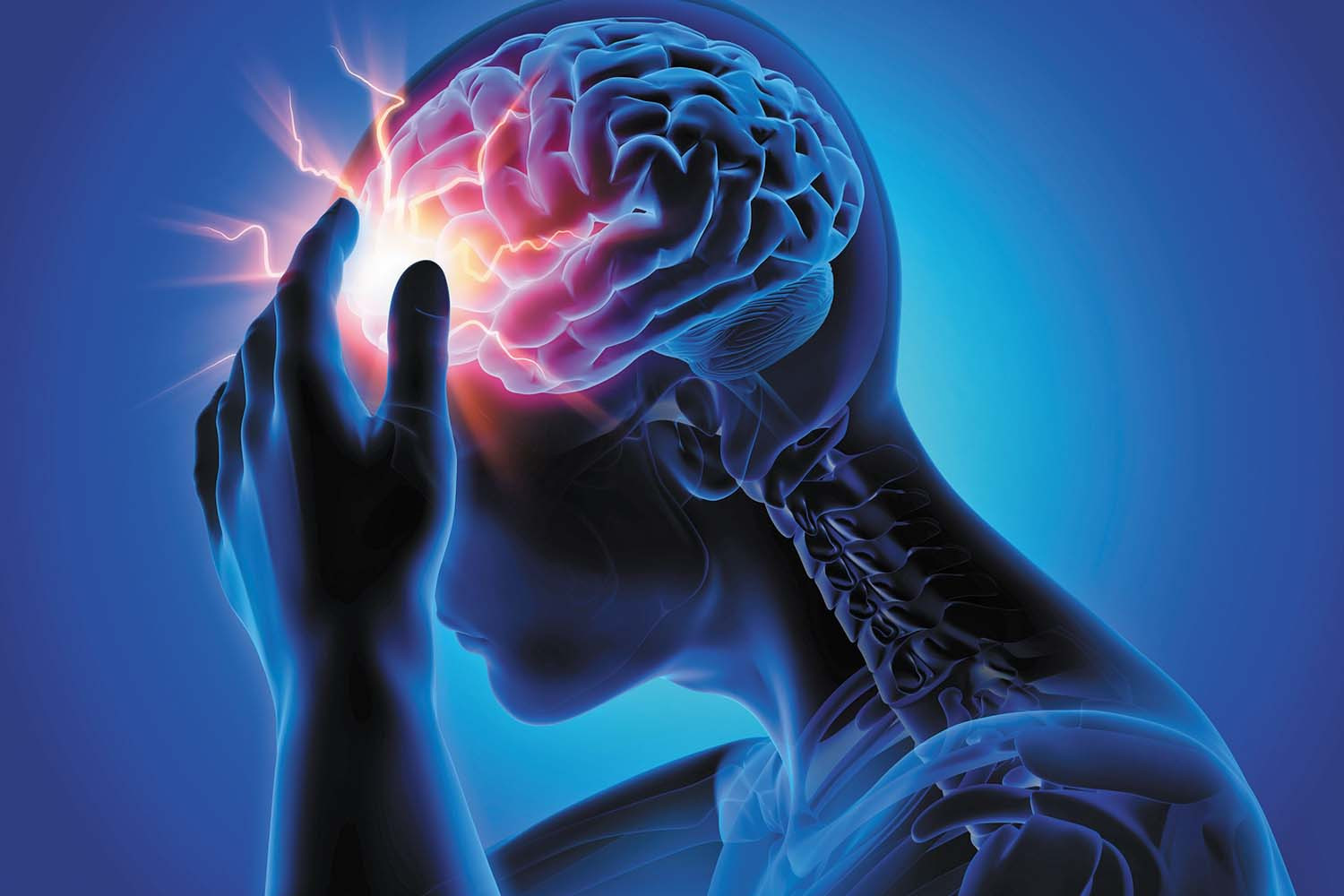
Top 7 reasons you have a headache
Headaches can have many triggers from allergies to stress, or even hunger. Understanding headache triggers can help you avoid one in the future. Here's a look at the most common triggers for each kind of headache.

Having one chronic condition can boost the risk for others
Many chronic conditions seem to be related. Examples include obesity, high blood pressure, type 2 diabetes, high cholesterol, and heart disease; hearing loss and dementia; obstructive sleep apnea and high blood pressure; various autoimmune diseases; and obesity and joint problems. People with chronic conditions should ask their doctors about the risk for associated diseases.In some cases, they should have certain health screenings to check for them. In other cases, additional screening isn't automatic.


How can I avoid long COVID?
Tens of millions of people who've had COVID-19 suffer with persisting symptoms. The condition is called long COVID. Symptoms, such as fatigue, difficulty concentrating, and disrupted sleep, can seriously impair the ability to function at work and at home. Vaccines and antiviral drugs appear to offer some protection against getting long COVID. But more information is needed. The National Institutes of Health has committed over $1 billion to discover how to better diagnose, effectively treat, and ultimately prevent long COVID.
CoQ10: Should you take this popular supplement if you're on a statin?
Oat vs. dairy milk: Nutrition, benefits, and downsides
Microplastics: A hidden health threat?
Healing after food poisoning
What is tempeh? Benefits, nutrition, and how to use it
Light exposure at night may raise risk for heart disease
Whole grains may improve several heart risk factors at once
A lumbar belt may help ease low back pain
Children of centenarians may stay healthier and live longer too, study finds
Signs of pneumonia: Sometimes vague and unexpected
Free Healthbeat Signup
Get the latest in health news delivered to your inbox!
Sign Up
