

CoQ10: Should you take this popular supplement if you're on a statin?

Oat vs. dairy milk: Nutrition, benefits, and downsides

Microplastics: A hidden health threat?

Healing after food poisoning

What is tempeh? Benefits, nutrition, and how to use it

Light exposure at night may raise risk for heart disease

Whole grains may improve several heart risk factors at once

A lumbar belt may help ease low back pain

Children of centenarians may stay healthier and live longer too, study finds

Signs of pneumonia: Sometimes vague and unexpected
Healthy aging and longevity Archive
Articles

Eating junk food may affect deep sleep
A new study found that eating an unhealthy diet high in processed food can affect people's deep sleep, the stage when the pituitary gland in the brain releases hormones to build and repair muscles and bones as well help boost cognitive function and memory.

Try this: All aboard for paddleboarding
Paddleboarding is a popular water sport in which people stand or kneel on a "surfboard" and use a long paddle. It's a great stress buster, and it can help improve balance and strengthen key muscles, like those in the core, back, arms, and shoulders.

Is it okay to take multivitamins?
The general consensus is that healthy people who eat right need a vitamin or mineral supplement only if they have a diagnosed vitamin or mineral deficiency. Still, multivitamins may provide a safety net to fill dietary nutrition gaps even for people who mostly eat healthy. Studies have shown that taking multivitamins as prescribed usually doesn't cause any serious issues, and many over-the-counter brands are relatively inexpensive. Some people also view taking a daily multivitamin as another way to support a healthy lifestyle.
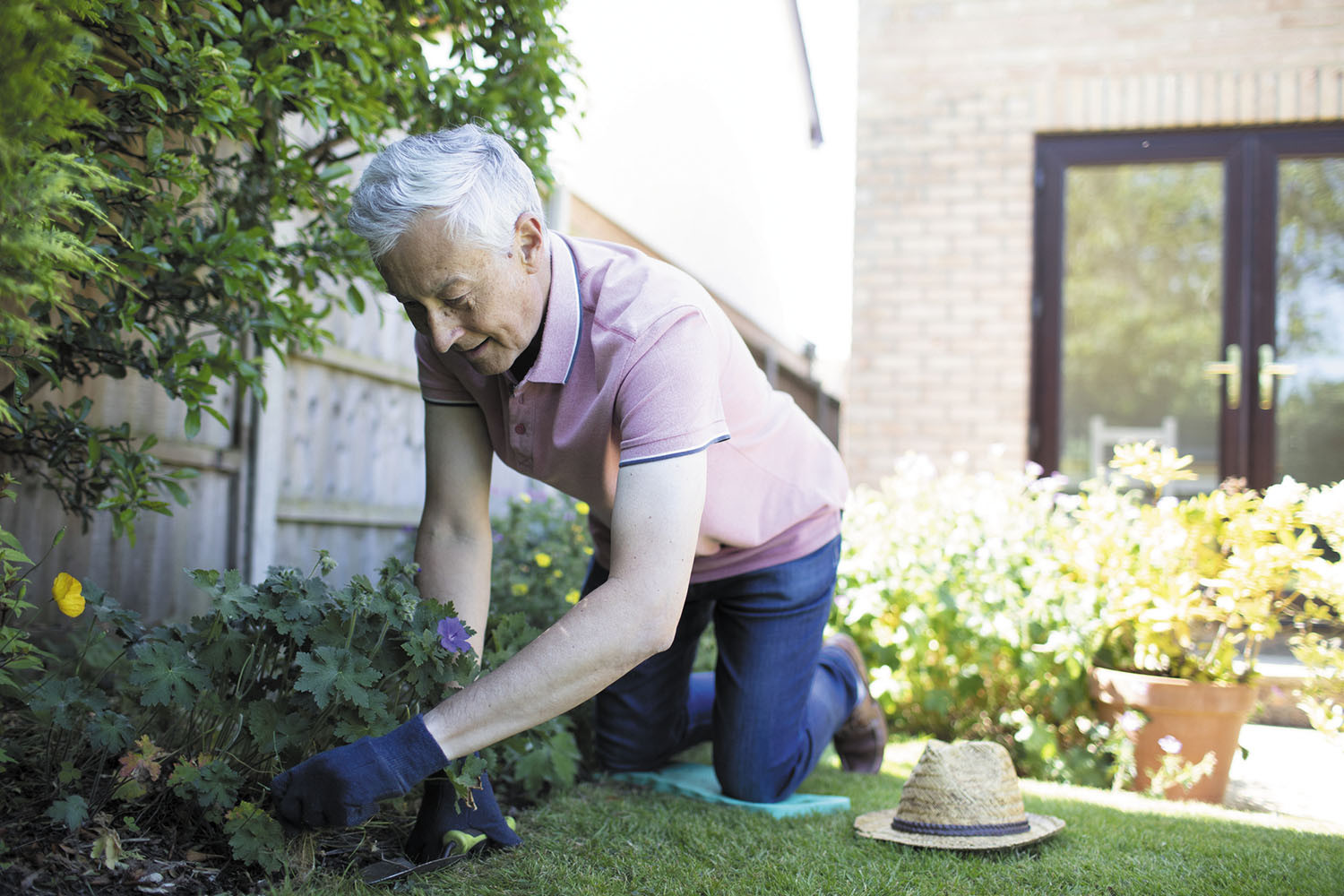
Rising up from a fall
Older adults need to safely be able to sit and rise from the ground whether kneeling in the garden, looking for something under the bed, or playing on the floor with the grandkids. This movement is also helpful when getting up after a fall. Three exercises that can help older adults with daily up-and-down mobility are kneel-to-stand, crawling, and sit-to-stand.

Physical activity may lower Parkinson's risk in women
A 2023 study suggests regular physical activity, including walking, climbing stairs, gardening, and cleaning, may help prevent or delay the onset of Parkinson's disease in women.

When fatigue leaves you drained, depleted, and dumbfounded
Fatigue affects up to three-quarters of older adults with chronic conditions. Some causes are obvious, while others are less well recognized. They include sleep disorders, anemia, poor diet, thyroid problems, mood disorders, and medication use. People with prolonged, unexplained fatigue should see a doctor, who will perform a physical exam, ask about medical history, and in some cases perform blood or other tests. People can boost energy levels by exercising more, optimizing diet, using caffeine strategically, and limiting alcohol consumption.

How to avoid this common pickleball injury
Pickleball elbow is a type of tendinitis called lateral epicondylitis. The injury can result from gripping a pickleball paddle tightly for long periods or repeatedly twisting and turning the wrist while preparing to hit the ball. To avoid pickleball elbow, doctors recommend that players improve their muscle strength, use a paddle with the right grip size, build time on the court gradually, warm up their muscles before playing, stretch muscles afterward, ice their elbows after playing, and get guidance to hone their pickleball technique.

Will a multivitamin help my brain?
Increasing evidence suggests that people who take a daily multivitamin pill have a lower risk of cognitive decline compared with people who don't take multivitamins. In particular, two randomized controlled trials published in the spring of 2023 found that people older than age 60 who take a multivitamin are less likely to experience a slight age-related cognitive decline, at least over the next three years, compared to those taking a placebo. The benefit appeared to be particularly true for people who had cardiovascular disease.

Men, women, and red meat risk: Maybe both sexes should put down the burger
A 2023 review of 70 studies found that both unprocessed and processed red meat are linked to higher risks of cardiovascular disease and diabetes, with no apparent difference in risk between men and women.

Exercise tied to reduced risks of dying from flu or pneumonia
A 2023 study of more than 577,000 people found that people who said they met the guidelines for weekly physical activity had a 48% lower risk of dying from flu or pneumonia over a nine-year period, compared with people who said they didn't meet the guidelines.
CoQ10: Should you take this popular supplement if you're on a statin?
Oat vs. dairy milk: Nutrition, benefits, and downsides
Microplastics: A hidden health threat?
Healing after food poisoning
What is tempeh? Benefits, nutrition, and how to use it
Light exposure at night may raise risk for heart disease
Whole grains may improve several heart risk factors at once
A lumbar belt may help ease low back pain
Children of centenarians may stay healthier and live longer too, study finds
Signs of pneumonia: Sometimes vague and unexpected
Free Healthbeat Signup
Get the latest in health news delivered to your inbox!
Sign Up
