

CoQ10: Should you take this popular supplement if you're on a statin?

Oat vs. dairy milk: Nutrition, benefits, and downsides

Microplastics: A hidden health threat?

Healing after food poisoning

What is tempeh? Benefits, nutrition, and how to use it

Light exposure at night may raise risk for heart disease

Whole grains may improve several heart risk factors at once

A lumbar belt may help ease low back pain

Children of centenarians may stay healthier and live longer too, study finds

Signs of pneumonia: Sometimes vague and unexpected
Healthy aging and longevity Archive
Articles

Stand up for your heart
A 2025 study found that people who are sedentary for 10.6 hours per day or more may face a higher risk of heart failure or dying from heart disease-even if they follow recommended exercise guidelines. Uninterrupted sitting has harmful effects on metabolism, leading the body to burn fewer calories and less fat. It can also cause blood sugar levels to rise, triggering the release of insulin, the hormone that regulates blood sugar. Over time, sedentary habits cause the body to become less sensitive to insulin. The resulting insulin resistance promotes inflammation, a key player in the buildup of fatty plaque inside arteries.

Do collagen supplements fulfill their promises?
The protein collagen supports skin, hair, nail, bone, joint, and muscle health. As people age, natural collagen production drops. Some early research suggests collagen supplements offer benefits, but people should ask their doctor about the pros and cons.

Cold plunges: Healthy or harmful for your heart?
The purported health benefits of cold plunges include less stress, better sleep, and enhanced immunity, but the evidence is thin. While the practice may ease muscle soreness after intense exercise, it may have detrimental effects on gains in muscle power and strength. Because the shock of cold water on the skin can raise heart rate and blood pressure, people with cardiovascular disease (especially heart rhythm abnormalities) should avoid the practice.
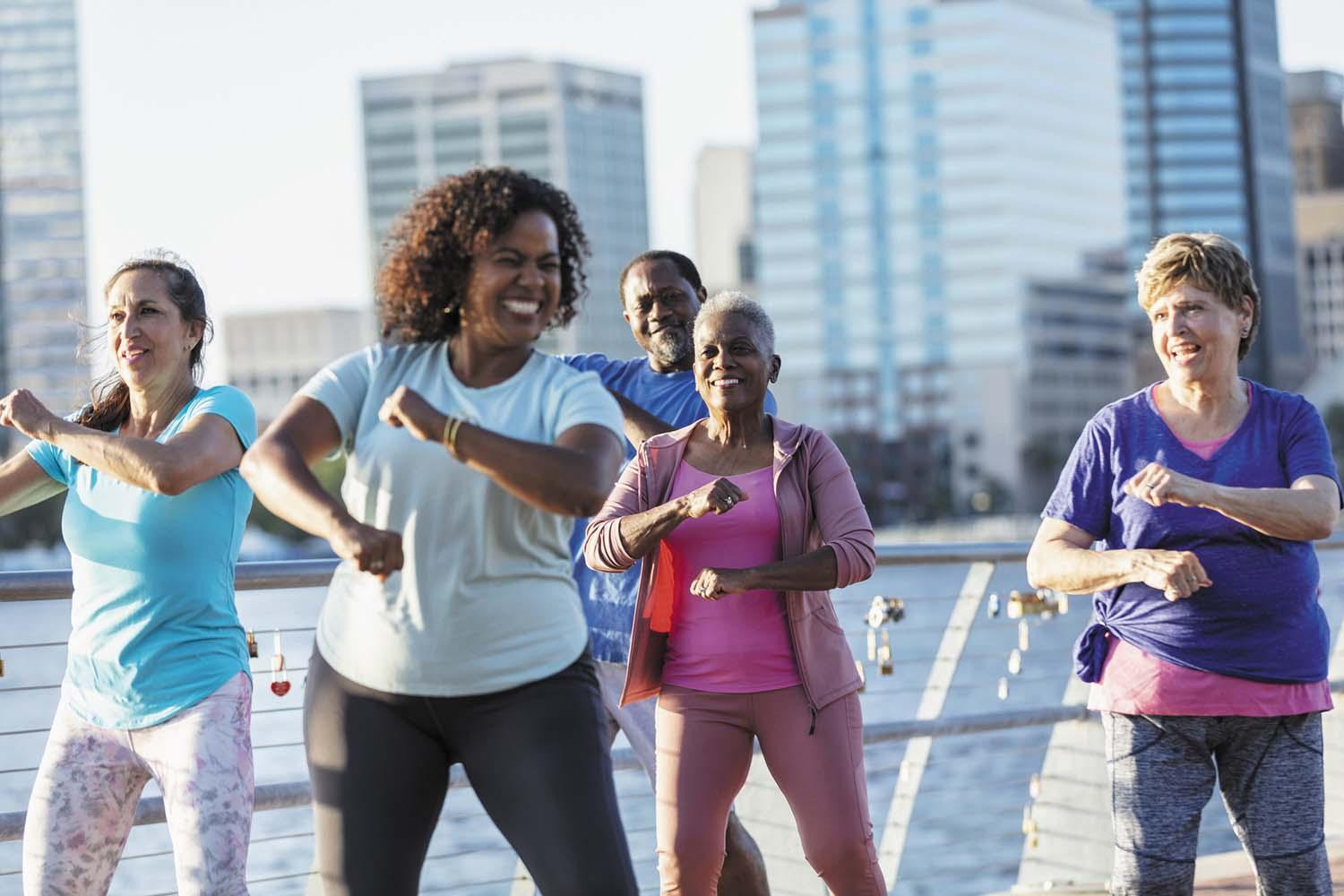
Twist, turn, tone
Dancing is a popular leisure activity. Evidence suggests dance boasts all the same benefits as other forms of consistent aerobic exercise: lowering blood pressure, building muscle and bone, increasing aerobic capacity, reducing anxiety, and improving depression symptoms. Dance can also counter loneliness and isolation and be easier to stick with than exercise that's more repetitive. People who want to try dance can frame it as a hobby instead of exercise, take a group class, and modify dance movements to accommodate pain or limited mobility.

Get a lift from resistance training
National guidelines recommend at least two sessions of muscle-strengthening resistance training each week. Resistance training, also known as strength training, consists of upper- and lower-body exercises using free weights, weight machines, resistance bands, or one's own body weight. Resistance training offers an array of benefits, including increased muscle strength, improved heart health, stronger bones, better mobility, and greater brain function.

Heat wave hazards
Certain medications can leave people more vulnerable to heat-related effects or the sun's rays. The medications can raise the risk of dehydration, make people sweat too much or too little, impair the body's ability to regulate temperature, or raise the risk of getting a bad sunburn. In addition, higher temperatures may damage some medicines, including diuretics, blood pressure drugs, some antidepressants, thyroid replacement hormones, and some over-the-counter antihistamines.

Should I take a multivitamin or other nutrition supplement?
Taking a daily multivitamin helps fill in nutritional gaps and some studies have found a link to better cognitive fitness. Adding a vitamin D supplement may help maintain bone health and a B12 supplement is suitable for people who might have difficulty getting this vitamin from food.

Depression tied to risky driving in older adults
A 2024 study indicated that adults 65 and older with major depression are more likely to exhibit risky driving behaviors such as speeding, hard braking, and hard cornering.

A bird flu primer: What to know and do
A bird flu strain that began circulating in 2020 continues to evolve globally and locally within the United States. If you're wondering what this means, understanding the basics - what bird flu is, how it spreads, whether foods are safe, and prevention tips - can help.

Salmonella is sneaky: Watch out
If you've ever had food poisoning caused by Salmonella bacteria, you know it's unpleasant but typically goes away within two to three days. You may not know that these bacteria sicken more than a million people in the US each year - and can be deadly for some. You can take steps to avoid getting sick.
CoQ10: Should you take this popular supplement if you're on a statin?
Oat vs. dairy milk: Nutrition, benefits, and downsides
Microplastics: A hidden health threat?
Healing after food poisoning
What is tempeh? Benefits, nutrition, and how to use it
Light exposure at night may raise risk for heart disease
Whole grains may improve several heart risk factors at once
A lumbar belt may help ease low back pain
Children of centenarians may stay healthier and live longer too, study finds
Signs of pneumonia: Sometimes vague and unexpected
Free Healthbeat Signup
Get the latest in health news delivered to your inbox!
Sign Up
