

CoQ10: Should you take this popular supplement if you're on a statin?

Oat vs. dairy milk: Nutrition, benefits, and downsides

Microplastics: A hidden health threat?

Healing after food poisoning

What is tempeh? Benefits, nutrition, and how to use it

Light exposure at night may raise risk for heart disease

Whole grains may improve several heart risk factors at once

A lumbar belt may help ease low back pain

Children of centenarians may stay healthier and live longer too, study finds

Signs of pneumonia: Sometimes vague and unexpected
Healthy aging and longevity Archive
Articles
Are you headed for a fall?
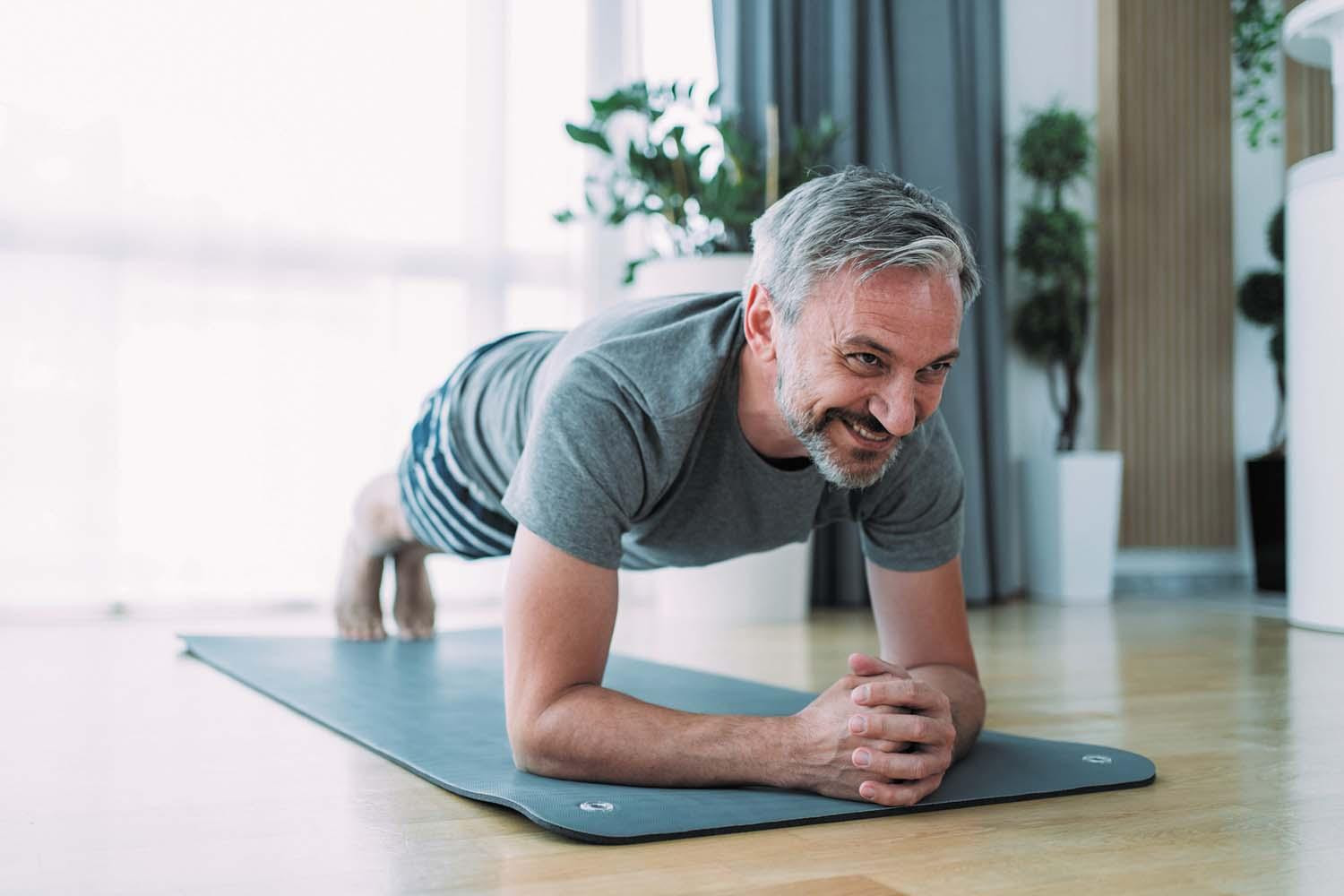
People often don't realize they are at high risk for falling until after they've taken a tumble. Studies have shown that maintaining optimal core and postural strength, good balance, and flexibility in the calves and hips are the best ways to prevent falls. At-home tests can help highlight weaknesses in these three areas that can then be addressed with a personal trainer or physical therapist.

The healing power of kindness
Acts of kindness do more than make the giver and recipient feel good-they can also bolster psychological and physical health. Research suggests kindness can improve happiness and increase social connectedness as well as reduce anxiety and lower blood pressure. Evidence also suggests concentrating good deeds into shorter time periods enhances well-being more powerfully than spreading actions out. Kind acts can include complimenting people, running errands for a neighbor, making a donation to charity, and signing up to volunteer.

Morning coffee habit linked to a longer life
In a 2025 study of 40,000 coffee drinkers followed for a decade, those who drank coffee in the morning were 16% less likely to die during the study period, compared to those who didn't drink coffee. The benefit didn't appear among those who drank coffee throughout the day.

New thinking on important blood tests
The approach to certain blood tests appears to be shifting. Doctors might stop ordering routine vitamin D screenings for healthy people younger than 75; they might order a one-time combination of lipoprotein(a), C-reactive protein, and LDL (bad) cholesterol tests as a way to predict future heart problems; and they might rely less on standard ranges designated as "normal" in a complete blood count (CBC) test, and instead focus more on comparing someone's latest CBC results to previous CBC tests.

Stopping sepsis in its tracks
Sepsis causes or contributes to an estimated 20% of all deaths worldwide. The condition begins with an infection that spreads and over activates the immune system, which releases damaging inflammatory chemicals that lead to organ failure. Any infection can trigger sepsis, but those that begin in the lungs, urinary tract, gastrointestinal tract, or skin are more likely to do so. Older people are more susceptible to sepsis. The condition may be avoided by stopping bacterial or viral infections from occurring or worsening.

Navigating "male menopause"
During midlife and later, men often experience a lower energy level, sour mood, and decline in sex drive. These changes have been tagged with the term "male menopause." A low testosterone level may be a factor. Lifestyle changes, such as losing weight, increasing exercise, and following healthy sleep patterns, can help raise low levels. Another option is testosterone replacement therapy, but men need to weigh the possible benefits versus the risks.

How to stop stressing over minor memory lapses
Many people worry about occasional memory lapses that occur as they get older. To cope, it helps to talk to a doctor and also reduce stress by following healthy lifestyle habits, such as exercising, getting enough sleep, eating a healthy diet, and meditating. Using strategies to help retain information is also important. Examples include placing keys in a designated spot, taking medication at the same time each day, and using notebooks-not just memory-to organize and store information for fast retrieval.

The heartfelt effects of kindness
Engaging in prosocial, altruistic behavior that benefits other people-such as doing volunteer work, giving money to charity, or performing small acts of kindness-may be beneficial to cardiovascular health. Possible mechanisms include reductions in stress and blood pressure. Volunteering has also been associated with improvements in heart-related risks, including increased step counts and less depression.

How well does body mass index correlate with excess fat?
Body mass index (BMI) uses weight and height to calculate whether a person is overweight or obese. However, it cannot determine the amount of visceral fat that lies deep inside the body. Two better methods are measuring waist size and determining waist-to-hip ratio.

4 ways your teeth and gums are changing
As people age, their teeth and gums can change. Examples include receding gums, shifting teeth, changing tooth color, and reduced tooth pain. These changes can be due to the wear and tear that comes with age, the development of disease, or natural changes in the components of tooth material. Dentists stress the importance of brushing and flossing teeth daily, getting teeth professionally cleaned twice a year, and talking to a dentist about solutions to dental problems.
CoQ10: Should you take this popular supplement if you're on a statin?
Oat vs. dairy milk: Nutrition, benefits, and downsides
Microplastics: A hidden health threat?
Healing after food poisoning
What is tempeh? Benefits, nutrition, and how to use it
Light exposure at night may raise risk for heart disease
Whole grains may improve several heart risk factors at once
A lumbar belt may help ease low back pain
Children of centenarians may stay healthier and live longer too, study finds
Signs of pneumonia: Sometimes vague and unexpected
Free Healthbeat Signup
Get the latest in health news delivered to your inbox!
Sign Up
