

CoQ10: Should you take this popular supplement if you're on a statin?

Oat vs. dairy milk: Nutrition, benefits, and downsides

Microplastics: A hidden health threat?

Healing after food poisoning

What is tempeh? Benefits, nutrition, and how to use it

Light exposure at night may raise risk for heart disease

Whole grains may improve several heart risk factors at once

A lumbar belt may help ease low back pain

Children of centenarians may stay healthier and live longer too, study finds

Signs of pneumonia: Sometimes vague and unexpected
Healthy aging and longevity Archive
Articles

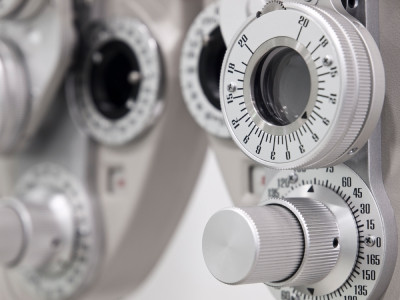
5 ways to protect your eyes from AMD
Age-related macular degeneration (AMD) is a condition in which the macula, the part of the eye that's responsible for your sharpest and most detailed vision, begins to thin and break down, causing vision loss. If left untreated, it can lead to blindness.
There is no surefire way to prevent AMD. However, there are things you can do to delay its onset or reduce its severity. Here are 5 of our favorites:

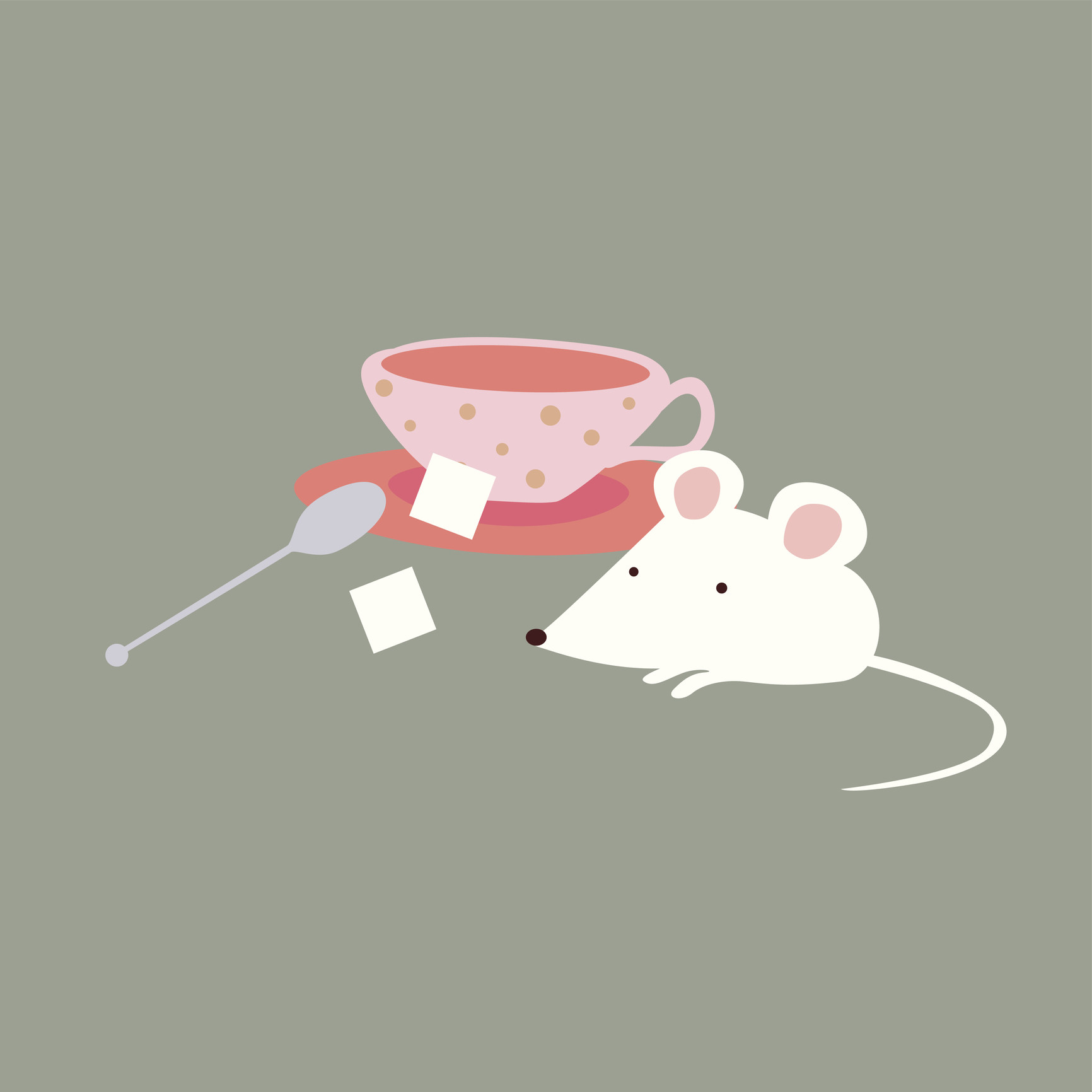
Why coffee might ease your pain (especially if you’re a sleepy mouse)
A new study found that caffeine may reduce sensitivity to pain, perhaps more effectively than standard pain relievers. But because the findings are based on mouse experiments we can’t say whether or not the results might apply to humans.


A quick-start guide to the latest food terminology
New phrases showing up on packaging don't always tell you if the food is better for your health.
Image: © Jupiterimages/Thinkstock
You're not alone if you don't know the meaning of certain terms on food labels lately. A new language has developed to describe healthy ways to produce meat, vegetables, fruit, and other products in the grocery store. "It's not just the terms that are confusing, but also various associated health claims," says Vasanti Malik, a nutrition researcher at the Harvard T.H. Chan School of Public Health.
Organic vs. natural
Some food is labeled "organic" or "natural." What's the difference? The FDA doesn't have a definition for "natural," although it doesn't object to the term if a food does not contain added color, artificial flavors, or synthetic substances.
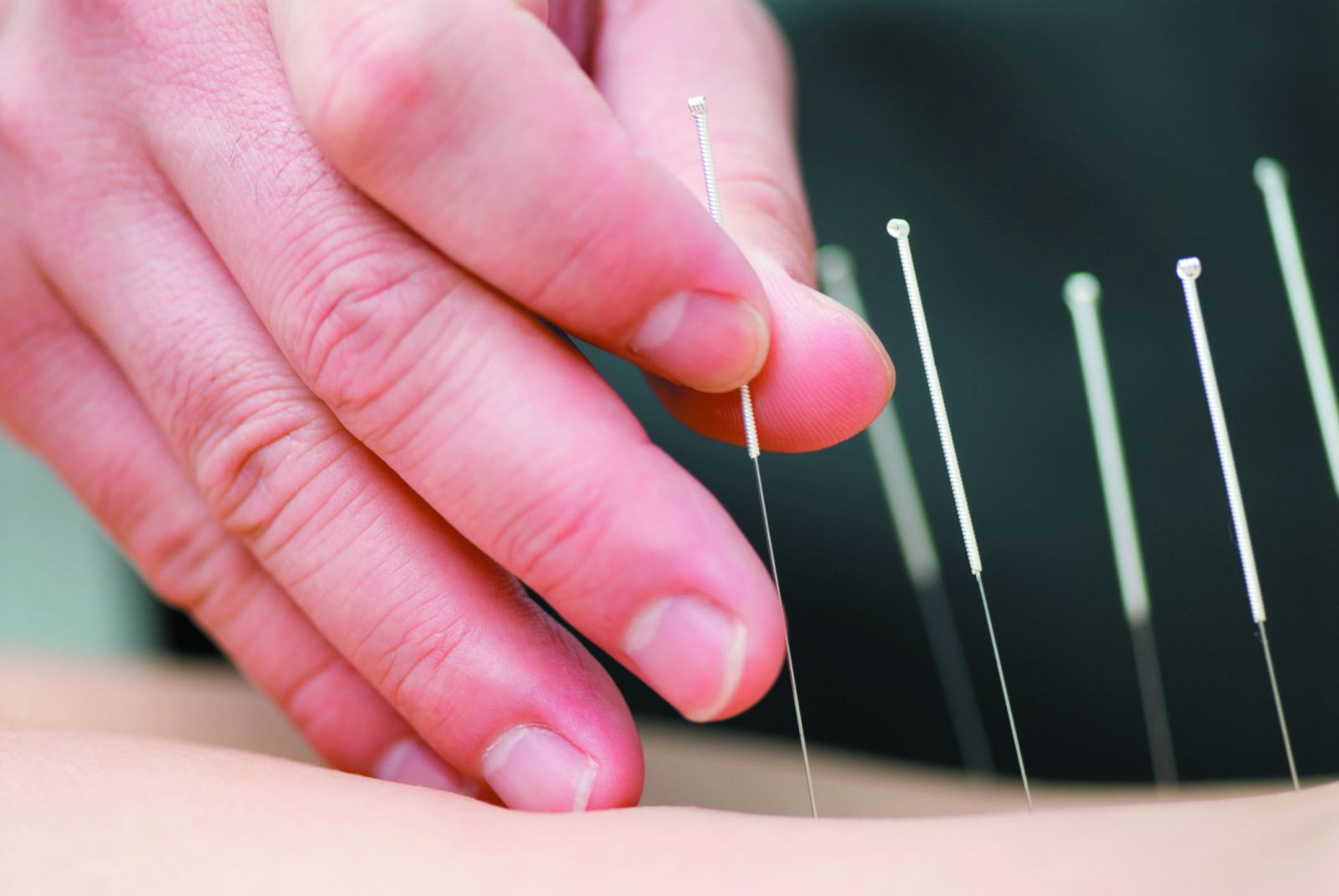
The finer points of acupuncture
This ancient practice can be used alone or with conventional therapy to help ease your pain.
Image: © zilli/Thinkstock
Men looking for an easy and effective means to manage pain should consider acupuncture.
"There are many different types of pain — neuropathic, muscular, degenerative joint — all of which can make management complex," says Hugo Lopez, a licensed acupuncturist with Harvard-affiliated Massachusetts General Hospital Cancer Center. "Sometimes you need to treat not just the physical components, but also the psychological ones, and that is where acupuncture can help, as it addresses both problems."
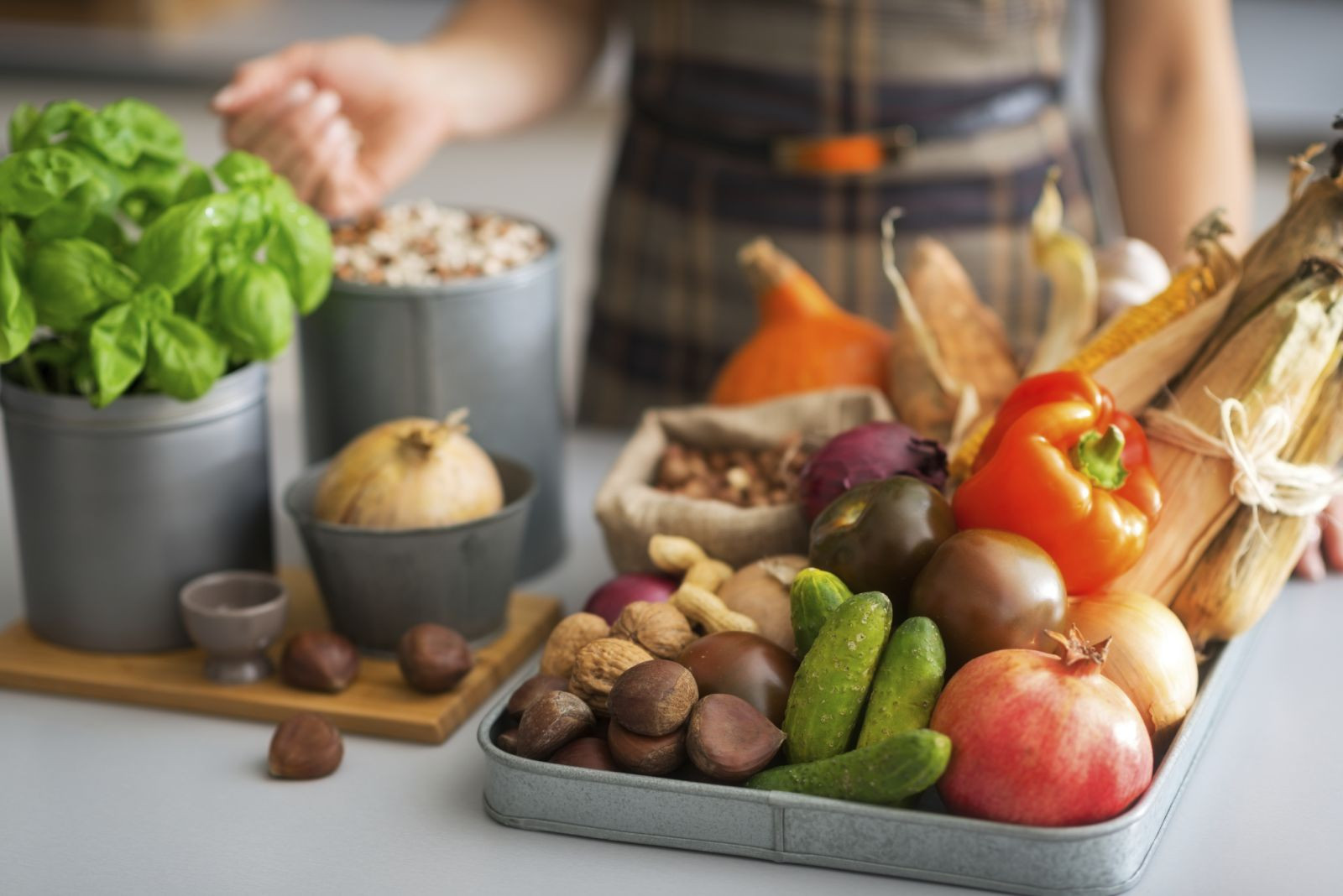
Does your diet deliver vitamin-rich foods?
It's easy enough to look up how much vitamin C or calcium you should get each day. It is also easy to read the back of a vitamin bottle to see just how much of a given vitamin or mineral the product provides. But how can you tell if what you eat — which should be your primary source of important nutrients — is giving you what you need?
One way is to focus on the big picture: eat a balanced diet that contains a variety of colorful fruits and vegetables, whole grains, beans, nuts, dairy products, seafood, lean meats, and poultry. Focus on nutrient-dense foods like these, which are packed with vitamins and minerals relative to the number of calories they deliver, and you should be fine.
CoQ10: Should you take this popular supplement if you're on a statin?
Oat vs. dairy milk: Nutrition, benefits, and downsides
Microplastics: A hidden health threat?
Healing after food poisoning
What is tempeh? Benefits, nutrition, and how to use it
Light exposure at night may raise risk for heart disease
Whole grains may improve several heart risk factors at once
A lumbar belt may help ease low back pain
Children of centenarians may stay healthier and live longer too, study finds
Signs of pneumonia: Sometimes vague and unexpected
Free Healthbeat Signup
Get the latest in health news delivered to your inbox!
Sign Up
