

CoQ10: Should you take this popular supplement if you're on a statin?

Oat vs. dairy milk: Nutrition, benefits, and downsides

Microplastics: A hidden health threat?

Healing after food poisoning

What is tempeh? Benefits, nutrition, and how to use it

Light exposure at night may raise risk for heart disease

Whole grains may improve several heart risk factors at once

A lumbar belt may help ease low back pain

Children of centenarians may stay healthier and live longer too, study finds

Signs of pneumonia: Sometimes vague and unexpected
Healthy aging and longevity Archive
Articles

Dogs may increase activity levels in older adults
Research we're watching
Image: © Halfpoint/Thinkstock
Dog is a woman's best … workout buddy? Maybe, says a study published online June 9 by BMC Public Health, which found that having a dog appeared to increase physical activity in older adults.
Researchers asked 43 pairs of dog owners and non-owners to wear an activity monitor for a week to track their physical movements. Subjects wore the device three times over the course of one year. They also kept an activity log that included information about themselves and their dog, as well as their daily schedule. As it turns out, the dog owners spent more time walking than those without a dog, and they also took about 2,670 more steps each day. So, if you've been thinking about getting a dog this might give you one more reason to consider a furry friend.
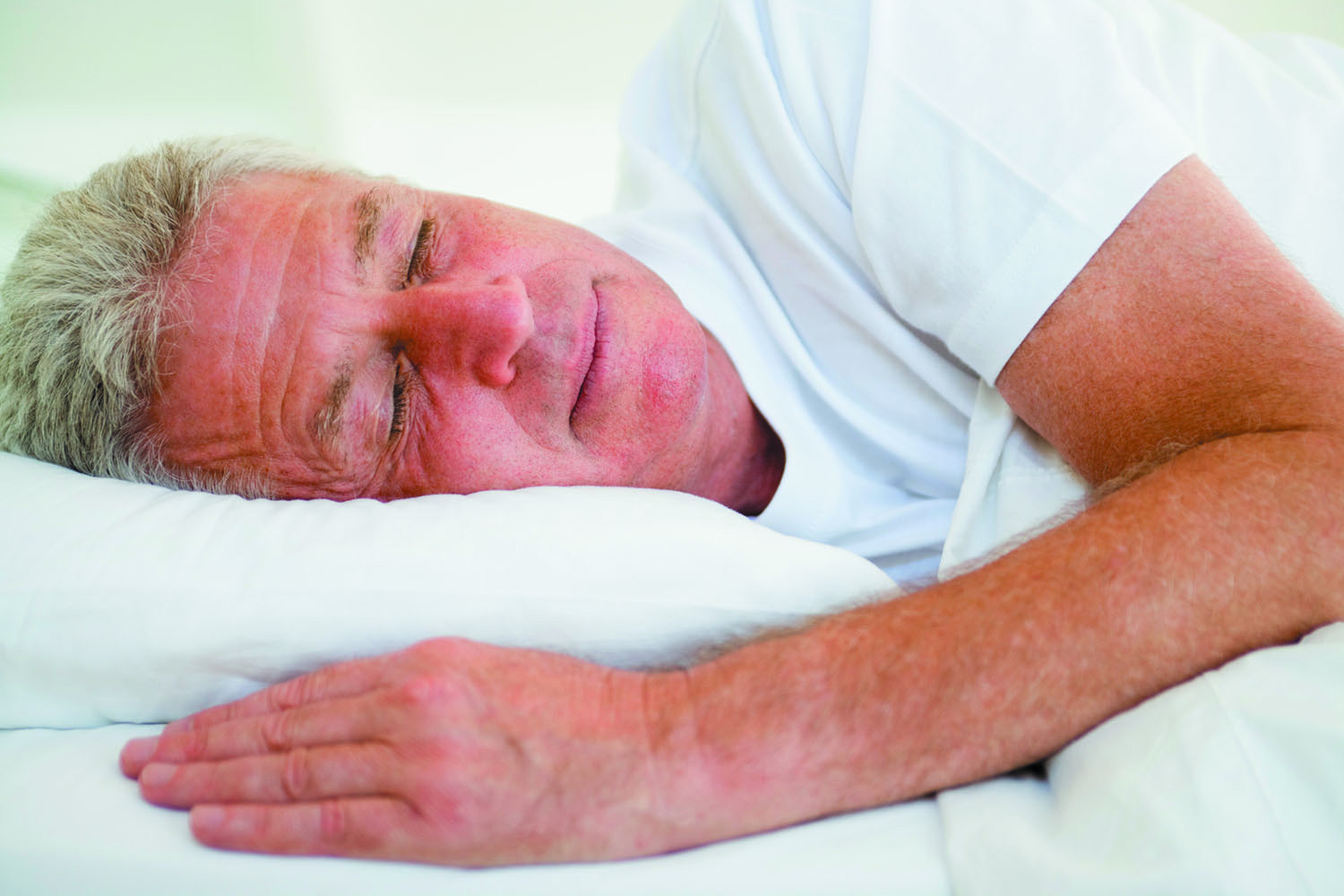
Alzheimer’s wake-up call
Can getting quality sleep help prevent the disease?
Image: © Monkey Business Images/Thinkstock
A good night's sleep does more than rejuvenate you for the next day. It may help protect you against Alzheimer's disease. Research has begun to show an association between poor sleep and a higher risk of accumulating beta-amyloid protein plaque in the brain, one of the hallmarks of the disease.
"Observational studies have found that adults over age 65 with amyloid plaques in their brain have reduced slow-wave sleep, which is thought to play an important role in memory function, even though these people do not yet show signs of Alzheimer's, like memory loss and cognitive decline," says Dr. Brad Dickerson, associate professor of neurology at Harvard Medical School. "It may be that quality sleep could play a role in who may get Alzheimer's."

Take advantage of the Medicare Annual Wellness Visit
This benefit from the Affordable Care Act has been around for six years, but few seniors know about it.
Image: © Wavebreakmedia/Thinkstock
Since it was introduced in 2011 as part of Medicare Part B expansion under the Affordable Care Act, the Medicare Annual Wellness Visit (AWV) has gradually gained in popularity. Still, only a minority of older adults know about it, and even fewer get it, although it can offer many benefits to increase a person's preventive care.
The AWV is a type of annual visit that is designed to address the health risks and needs of aging adults, says Dr. Ishani Ganguli of Harvard Medical School and Brigham and Women's Hospital.

Ways to stay sharp behind the wheel
Simple tips and a driving evaluation may help keep you and other motorists safer on the road.
Image: © Feverpitched/Thinkstock
Being able to drive a car is a ticket to freedom, no matter what your age. You don't have to rely on anyone else to get to a supermarket, do errands, meet with friends, or go to a doctor's appointment.
But sometimes, physical changes in older age jeopardize your ability to drive, and you may not realize it. "I hear it a lot — older drivers think they're fine, but their children, doctors, or even co-workers suggest that they get an evaluation," says Amy Donabedian, an occupational therapist and certified driving rehab specialist with the driving assessment program at Harvard-affiliated Spaulding Rehabilitation Hospital.
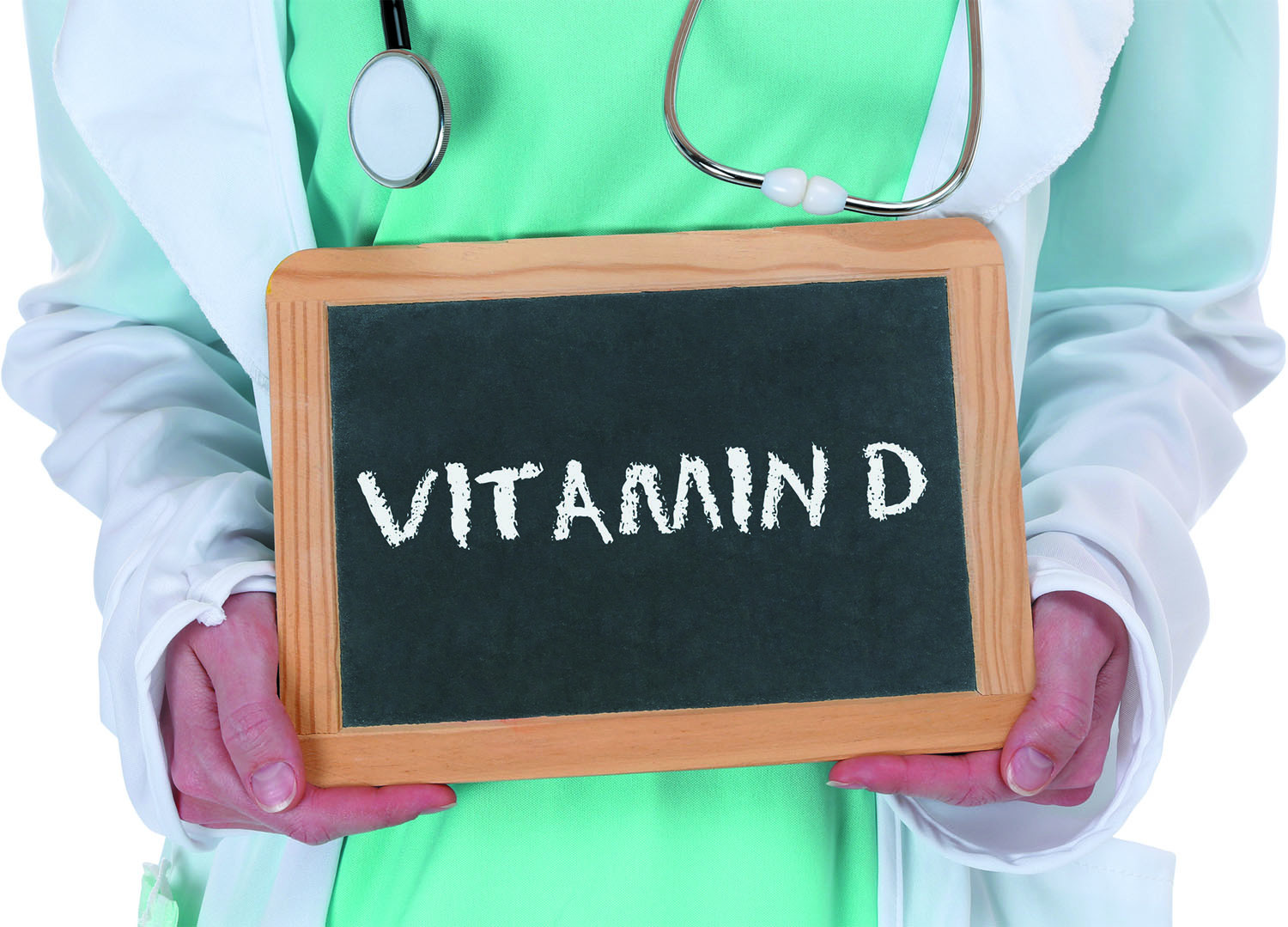
How much vitamin D should I take?
Ask the doctor
Image: © Boarding1Now/Thinkstock
Q. I'm confused about vitamin D. How much should I take?
A. There's considerable controversy as to whether most people should take a vitamin D supplement at all. Most of the vitamin D in our bodies is made by our skin, when it is exposed to sunlight. In contrast to most other vitamins, we don't get much vitamin D in our diet. Authorities recommend, however, that children from age 1, and adults through age 70, take 600 international units (IU) daily, and that adults 71 years and older take 800 IU daily. People with, or at risk for, certain bone diseases need to take more than this amount. There's general agreement that doses above 4,000 IU daily can be toxic to adults, with lower doses toxic to kids.

Avoiding health risks at the farmers’ market
Watch out for unpasteurized products, and ask vendors about food safety.
There's something magical about strolling through a farmers' market on a crisp autumn morning. The fruit and vegetables seem fresher there than they do in a store — apples taste tarter, tomatoes seem redder and riper. It's a farm-to-table connection that puts you in touch with nature and the harvest.
Maybe that's partly behind the explosion of farmers' markets across the country, climbing from about 2,000 markets in 1994 to more than 8,600 today, according to the Farmers Market Coalition. "It's a great way to get fresh produce and try different foods you may not have come across before. But it should be enjoyed with caution," urges Dr. Simi Padival, an infectious disease specialist with Harvard-affiliated Beth Israel Deaconess Medical Center.
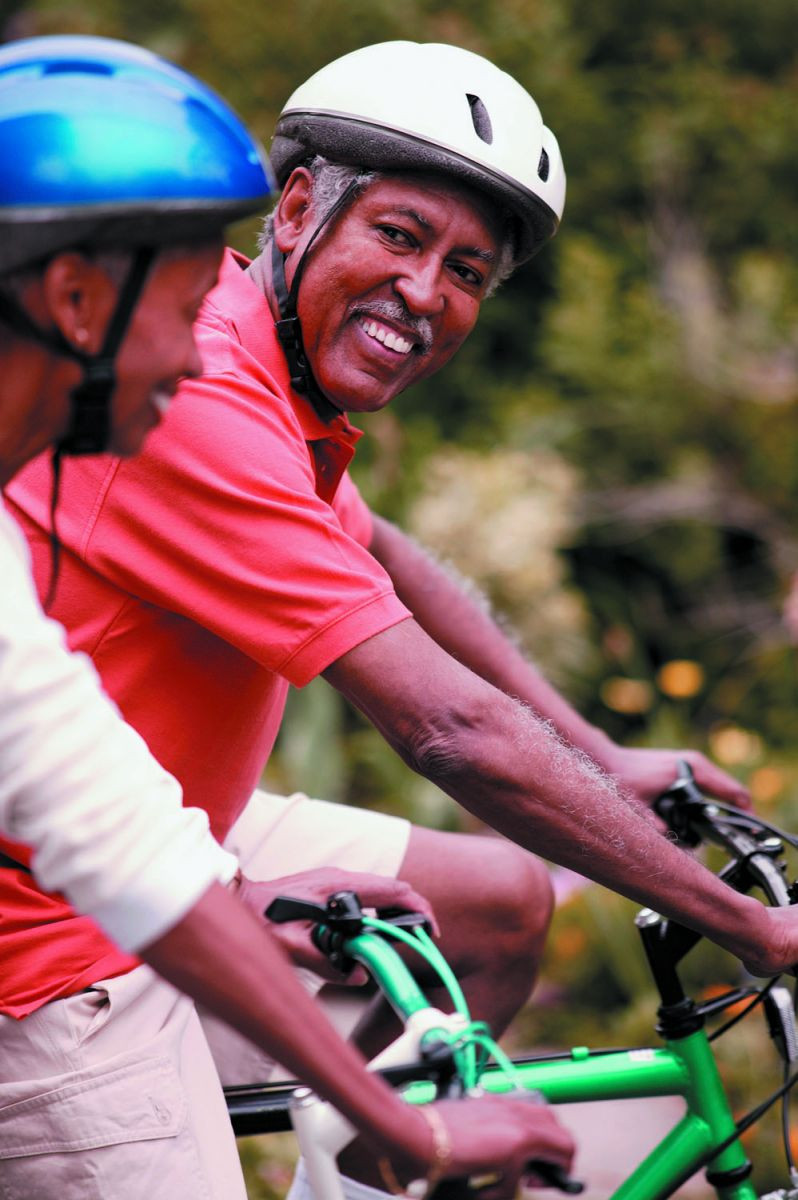
Better habits, better brain health
Exercising, maintaining good health, socializing, and learning new information may help keep you sharper, longer.
Everyone wants to live an active, vibrant life for as long as possible. And that goal depends on robust brain health. While we don't have a guaranteed way to prevent dementia, we do have increasing evidence that engaging in healthy lifestyle habits may help.
For example, a 2015 randomized controlled trial from Finland suggested that older adults with a number of healthy habits — such as eating a healthy diet, exercising regularly, and socializing — improved or maintained thinking skills and reduced the risk of cognitive decline.

Moderate drinking linked to decline in thinking skills
News briefs
Image: © Andy Dean/Thinkstock
Many studies have suggested that drinking alcohol in moderation — one drink per day for women, one or two drinks per day for men — may offer some protection against heart disease. But a study published June 6, 2017, in The BMJ suggests that moderate alcohol drinking may not protect the brain. Researchers studied over 500 men and women, average age 43, who reported the number and size of alcoholic drinks they had each day. Participants underwent tests of their thinking skills periodically and had MRI scans of their brains at the end of the study. A typical drink was considered to be a 12-ounce beer or a 5-ounce glass of wine. The results after 30 years: drinking just over seven typical drinks or less each week did not appear to either hurt or protect brain health. But drinking eight drinks or more per week was associated with shrinkage in the hippocampus (important to memory) and deterioration of white matter (part of the brain's internal wiring), both of which are associated with decline in thinking skills. The study was observational and did not prove that drinking alcohol caused mental decline. The jury is still out, but this study suggests that it would be wise to avoid averaging more than one alcoholic drink per day.

Why didn’t mom think of this?
News briefs
Here's an idea to make vegetables more enticing: give them names that make them seem indulgent. An observational study published online June 12, 2017, by JAMA Internal Medicine found that diners in a large university cafeteria were more likely to put vegetables on their plates when the foods had less health-conscious names. Each weekday during the fall academic quarter, researchers took a batch of cooked vegetables and labeled them in one of four ways: basic (such as simply "green beans"); healthy restrictive (such as "light 'n' low-carb green beans and shallots"); healthy positive (such as "healthy energy-boosting green beans and shallots"); or indulgent (such as "sweet sizzlin' green beans and crispy shallots"). During the study period, diners usually went for vegetables with less healthy labels: 25% more people chose the indulgent option over basic labeling, 35% more people selected indulgent instead of healthy positive labeling, and 41% more people chose indulgent over healthy restrictive labeling. The indulgent label also led to people piling up to 33% more vegetables on their plates. The study didn't prove that the labels triggered the vegetable selections, and didn't prove that people actually ate their veggies. But the authors say using enticing food names appears to be a simple strategy to promote healthy eating.

Activity booster: Get a dog
News briefs
Need a little motivation to get more active? Owning a dog may help, suggest authors of a small observational study published June 9, 2017, in BMC Public Health. Researchers looked at the self-reported activities of 43 pairs of dog owners and non-owners, all of them ages 65 or older. Three times during the yearlong study, participants wore fitness monitors for a week and noted their activities. Compared with non-owners, dog owners took an extra 2,760 steps per day and got an extra 22 minutes of moderate-intensity walking per day. Scientists didn't notice a difference between the groups when it came to the total amount of time spent sitting. But 22 minutes of daily walking meets the public health guidelines of a minimum 150 minutes per week of moderate-intensity activity. If you have trouble with balance or walking, however, owning a dog that can potentially get in your way could be a fall hazard.
Image: © Ljupco/Thinkstock
CoQ10: Should you take this popular supplement if you're on a statin?
Oat vs. dairy milk: Nutrition, benefits, and downsides
Microplastics: A hidden health threat?
Healing after food poisoning
What is tempeh? Benefits, nutrition, and how to use it
Light exposure at night may raise risk for heart disease
Whole grains may improve several heart risk factors at once
A lumbar belt may help ease low back pain
Children of centenarians may stay healthier and live longer too, study finds
Signs of pneumonia: Sometimes vague and unexpected
Free Healthbeat Signup
Get the latest in health news delivered to your inbox!
Sign Up
